
BOA VISTA: CAPE VERDE’S HIDDEN GEM!
Far out in the Atlantic, where the trade winds regularly blow and the sand dunes melt into turquoise seas, lies Boa Vista…one of Cape Verde’s least-known yet most captivating islands. Long overshadowed by its famous sister Sal, home to the legendary Ponta Preta, Boa Vista has quietly evolved. Its small-town charm, endless beaches and newly improved infrastructure make it a perfect escape for windsurfers seeking steady winter winds and untamed adventure without the crowds.
Axel Reese and Dennis Müller headed out to explore this island paradise…from the tranquil bay of Sal Rei to the legendary “Liowa” wave and beyond…they discover what makes Boa Vista one of Cape Verde’s best-kept windsurfing secrets.
Words & Photos: Axel Reese
-
- Dennis flying in Boa Vista
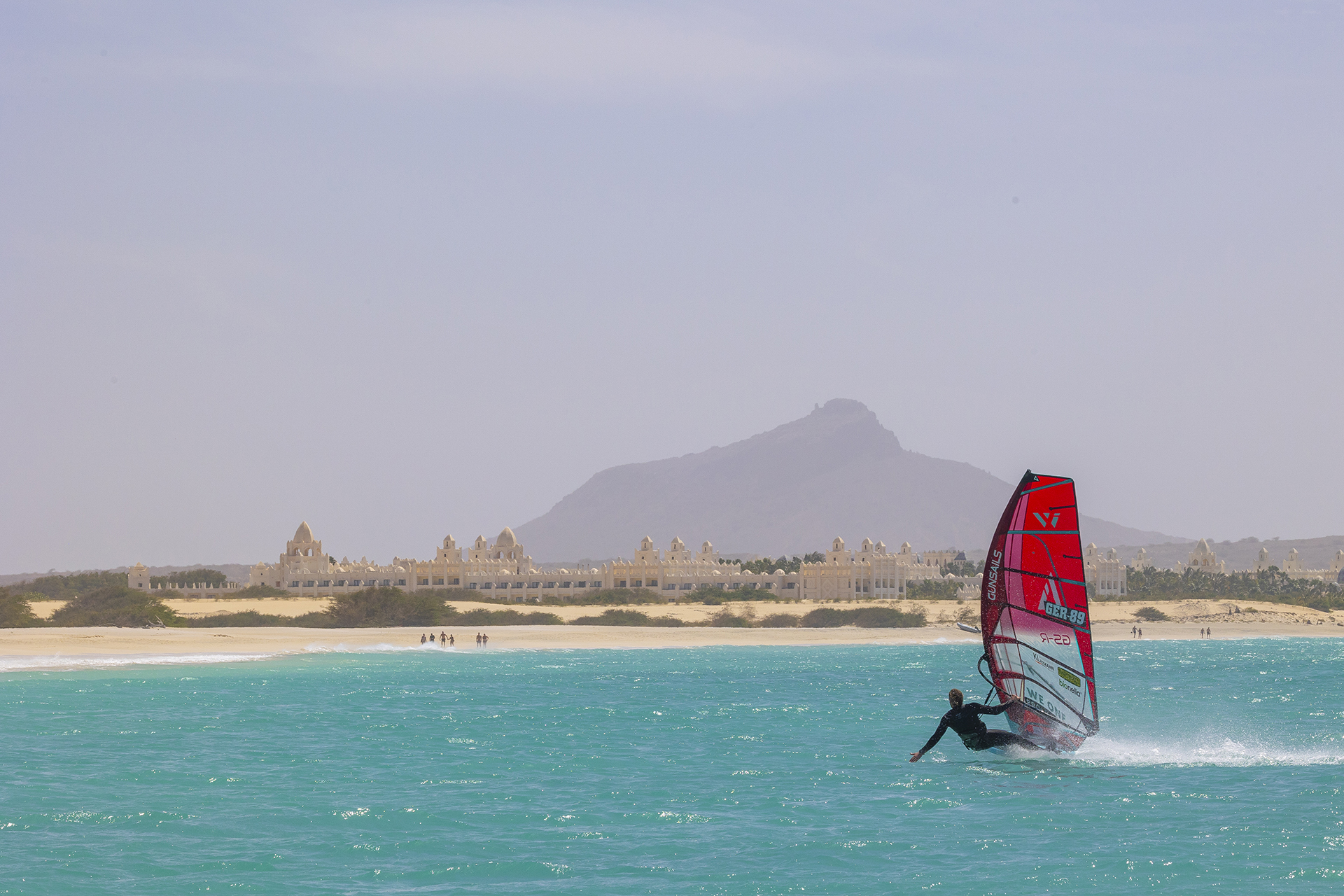
AXEL REESE: “After about five hours myself and Dennis Müller fly over the Canary Islands and a further two hours later we are already approaching the island of Boa Vista. We are looking forward to lots of trade winds, white sandy beaches, turquoise-coloured water, summer temperatures and a nice, lively and accessible culture! This is my fifth trip to the Cape Verde Islands, but so far it has always been Sal, which has become world-famous thanks to Ponta Preta, the spot with world-class waves, as this location has often hosted Wave World Cups with north-west swell. And many remember the scenes in the windsurfing film Minds Wide Open, when Kauli Seadi rocked Ali Baba in epic conditions! In contrast, however, we have our sights set on more moderate conditions for windsurfing at Boa Vista.
-
- Boa Vista
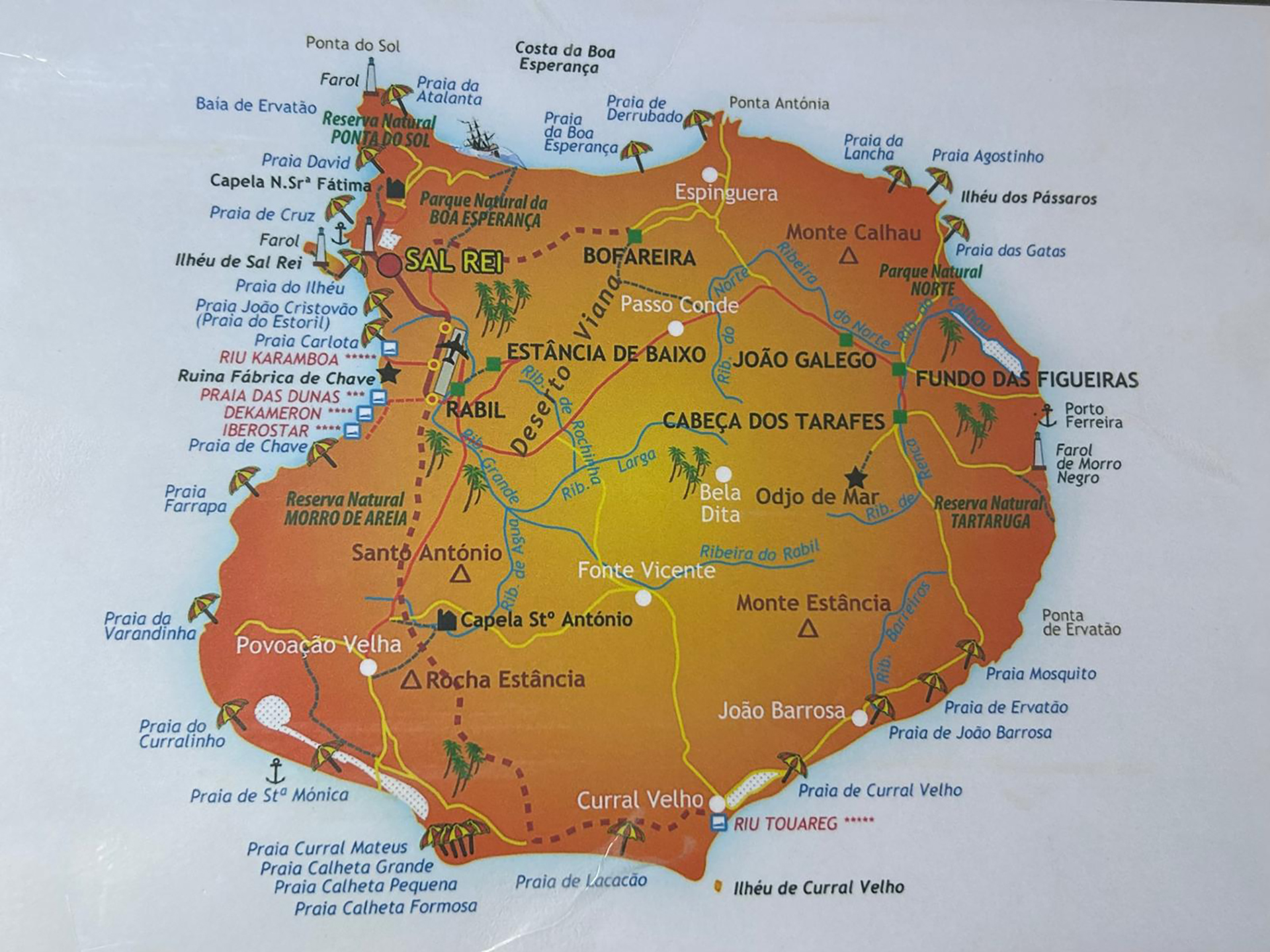
TOUCH DOWN
The plane lands on Boa Vista in the late morning and within 10 minutes we are at our accommodation Ca Nicola in the small town of Sal Rei. On the recommendation of Felix Quadfaß from Planet Allsports, we deliberately decided against a larger all-inclusive hotel in favour of a small, family-run accommodation with a view of the beach, where we can go into town for dinner every evening and get to know the country and its people.
-
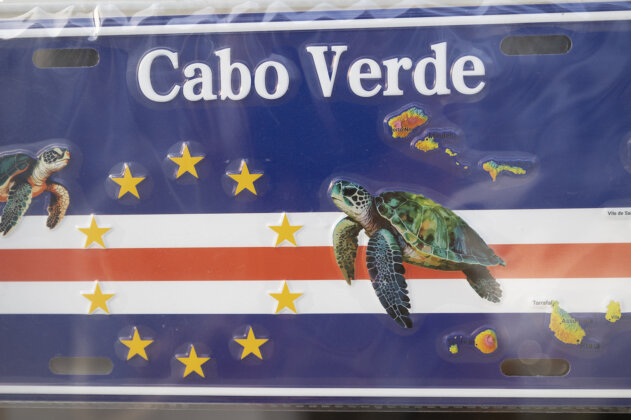
- Boa Vista, Cape Verde
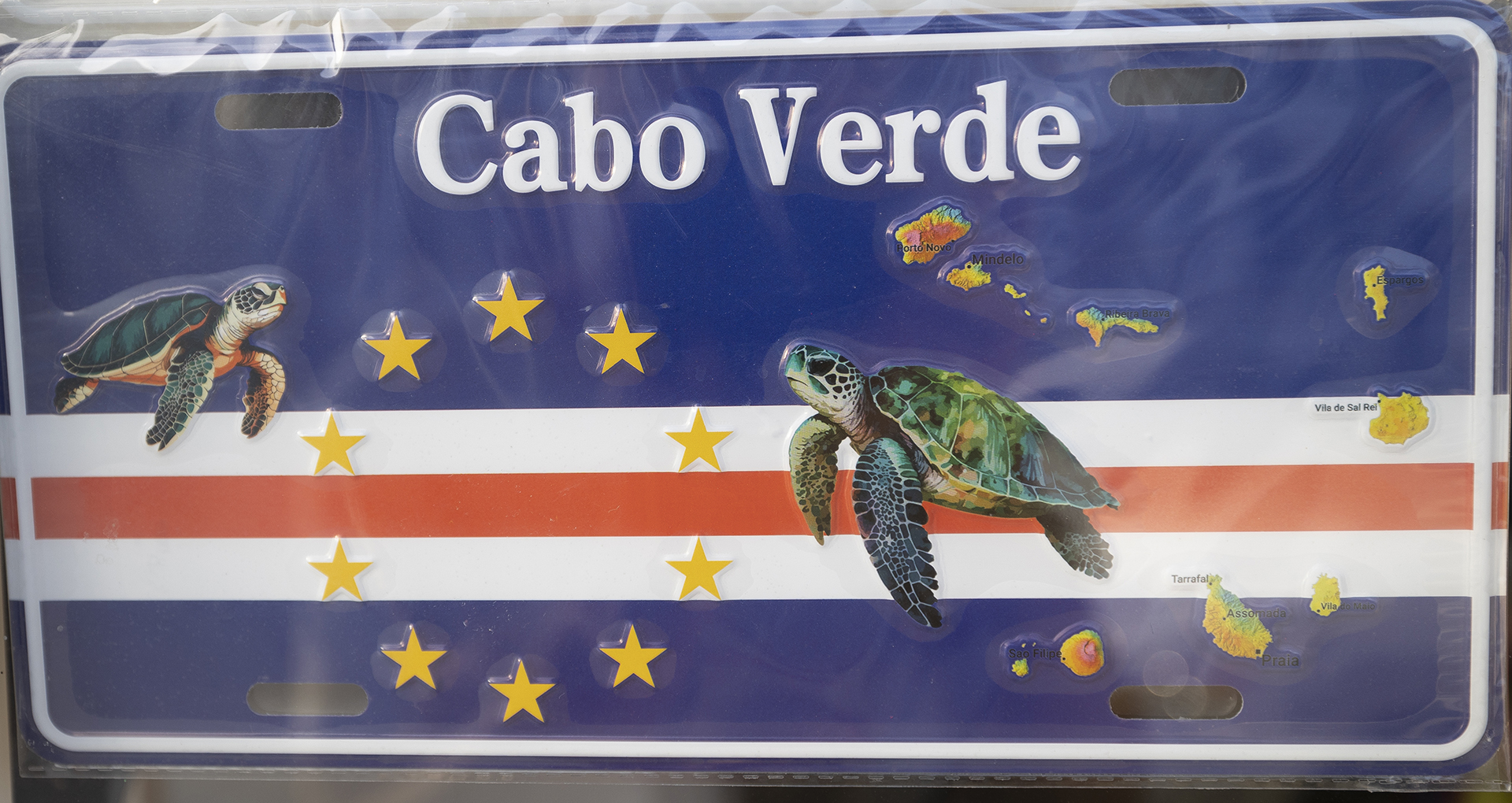
Before we started our journey, the people around us didn’t really know what to make of the destination “Boa Vista” (“where is that?”). To catch you up briefly: Cape Verde consists of a total of nine inhabited and other uninhabited islands of volcanic origin and is located around 1,500km south of the Canary Islands and 500km west of the African coast.
-
- Dennis Müller Boa Vista
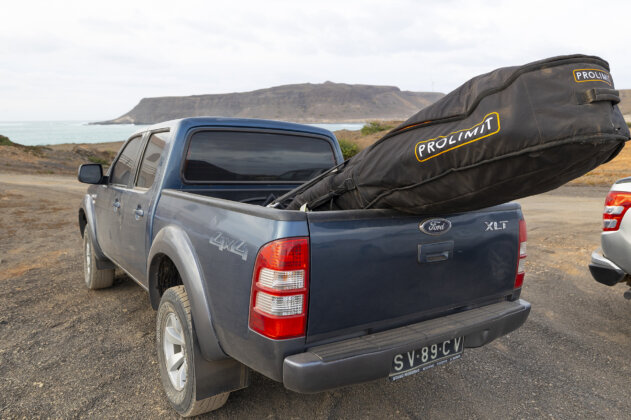
Our destination Boa Vista is about 30 km wide and has 55 km of beautiful and sometimes seemingly endless sandy beaches. Due to the year-round drought, virtually nothing grows on this island, which mostly consists of rocky deserts and sand dunes. When we drive across the island in the pick-up, we hardly see any villages or people, just endless stretches of stone and, closer to the beaches, lots of soft sand, which is where we got stuck in the pick-up … .
-
- Dennis outside the Duotone Pro Center and the Riu Palace Hotel, and the Riu Palace Hotel, Boa Vista,
WINDSURFING AT LAST!
Yes, we had been checking the wind forecast for days beforehand, which predicted a steady trade wind. In other words, daily 15-23 knots from the north-east made the anticipation very great! In fact, the trade wind belt is located at the height of the Canary Islands in the summer months and then moves to the height of the Cape Verde Islands in the winter months. While the Canary Islands sometimes have stronger trade winds in winter, typically over three or four days and peaking at up to 30 knots, the trade winds spoil Cape Verde with an almost constant blast from December to April. According to our own experience, the months of February to April in particular are considered to be very wind-safe, although the average wind force is around 15-20 knots and less than that.
-
- Pick up loaded
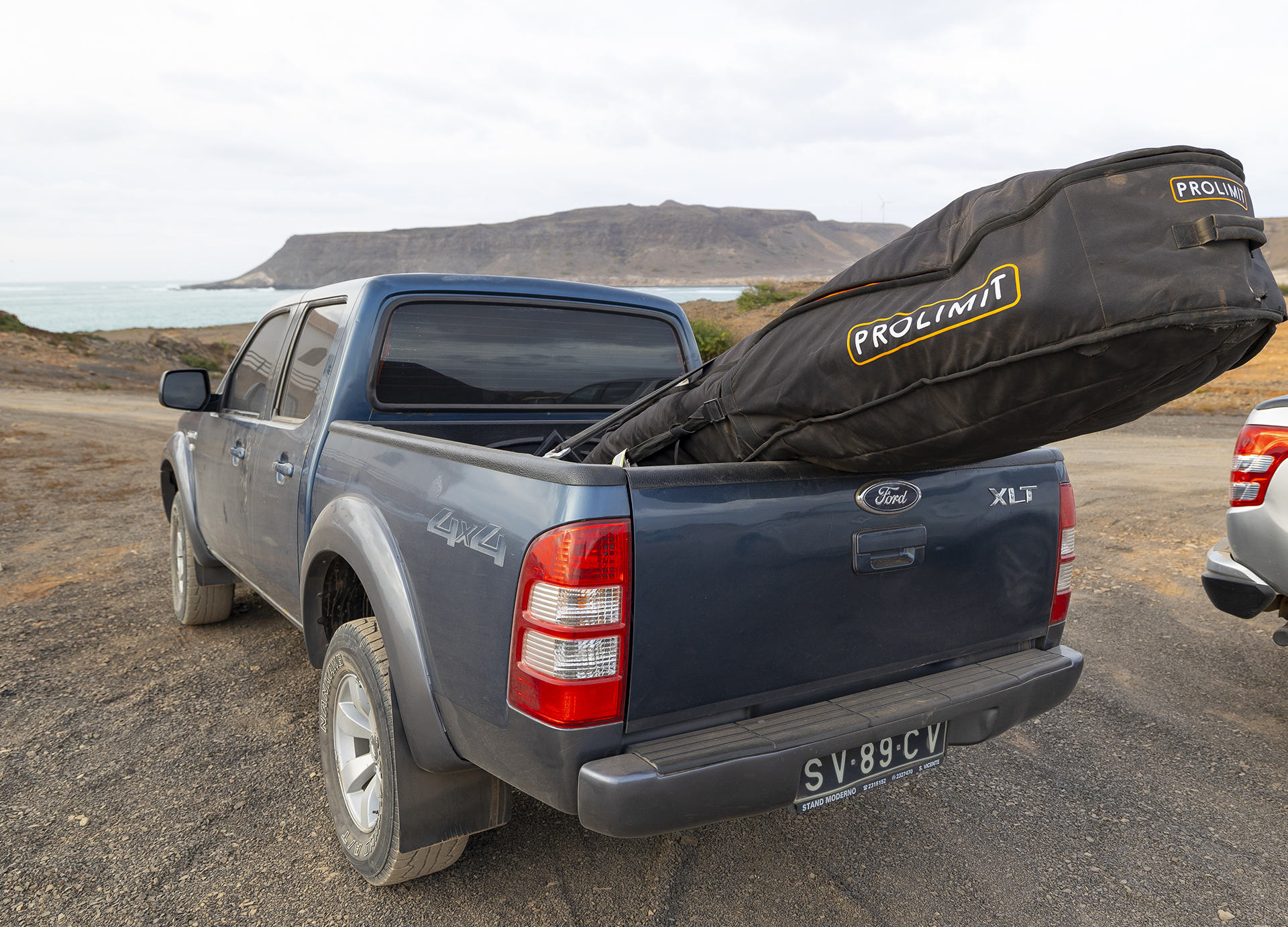
PLANET ALLSPORTS
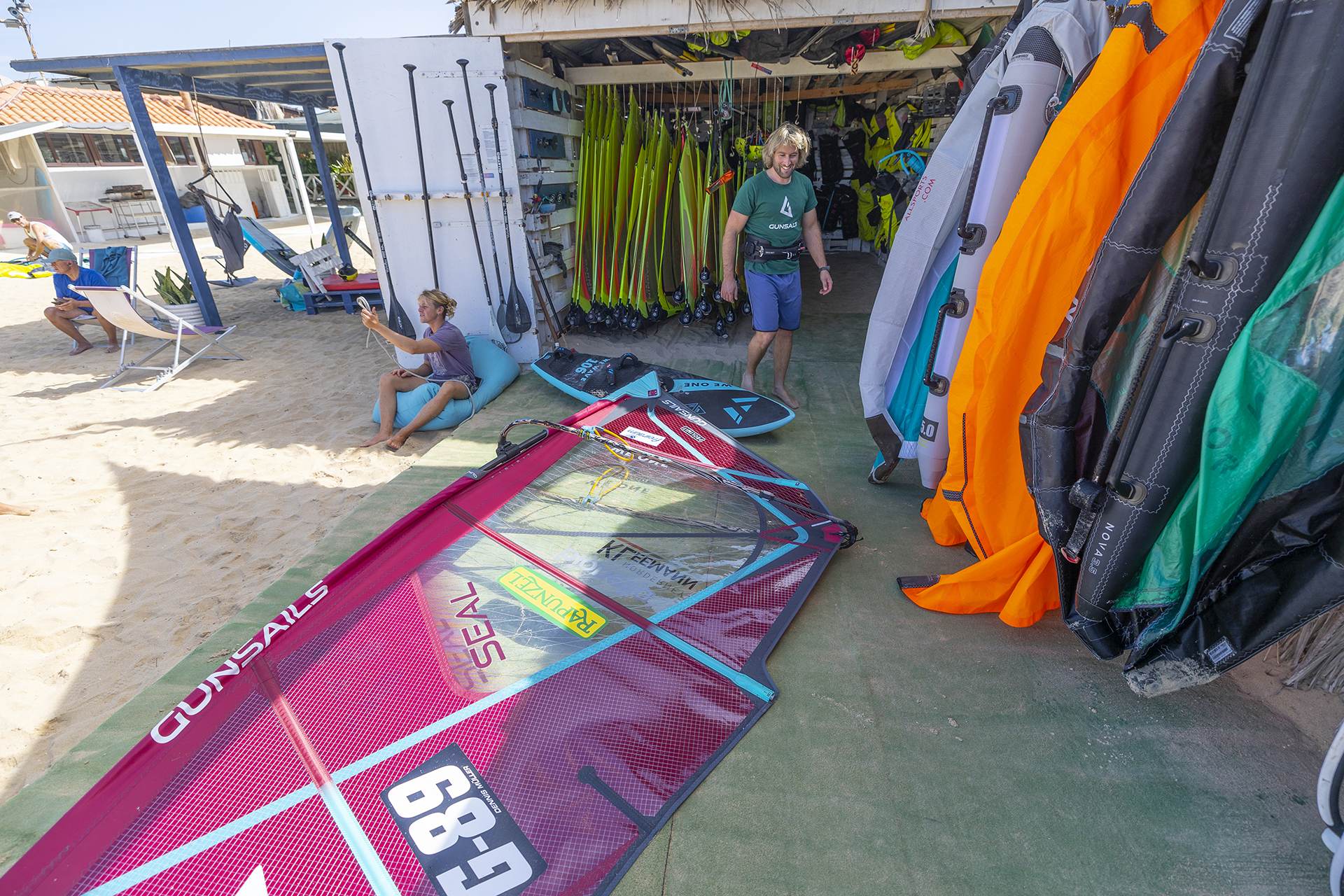
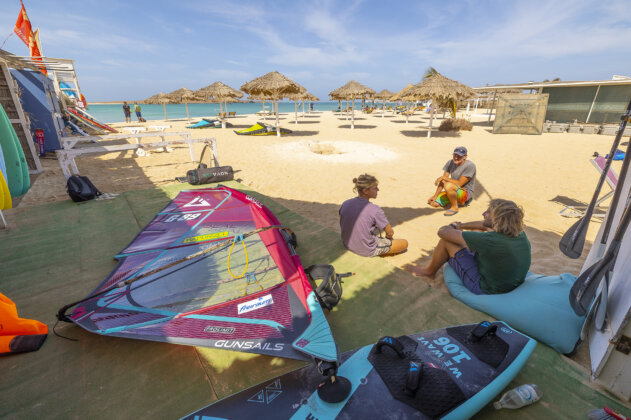
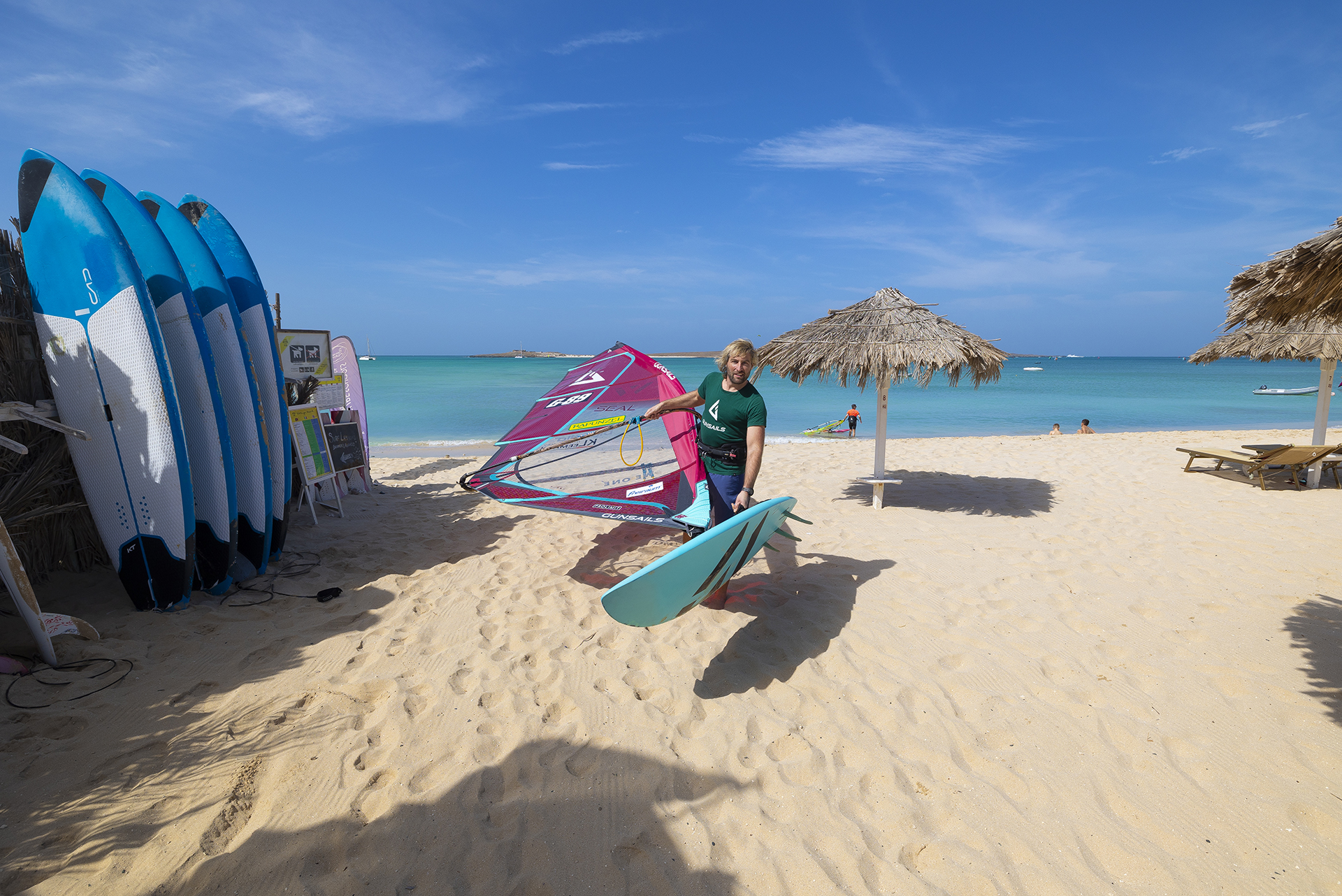
After less than a five-minute walk, we have already arrived at our base, the Planet Allsports centre. If you are staying in Sal Rei, Planet Allsports is the closest centre, whereas the other watersports centres further south are sometimes almost half an hour’s walk away. Our boards are stored at Planet Allsports and the centre is also equipped with good Goya windsurfing equipment, the latest Duotone/KT wingfoil equipment, SUPs and surfers. Right next to the centre is the Tortuga restaurant and beach club, with a few sunbeds and parasols for non-surfers.
-
- Dennis Müller, Boa Vista
In front of the station, the water conditions are quite smooth on the majority of days. Of course, because the wind here blows offshore from the town of Sal Rei, so that the water is really flattened. And only on a few days, i.e. with a north-westerly or even westerly swell, do long waves push so deep into the bay that clean waves usually run in at good intervals. A shorebreak in front of the Planet Allsports centre is usually harmless, as the small island of Ilheu de Sal Rei is located off the coast, so that even inexperienced windsurfers can get in.
-
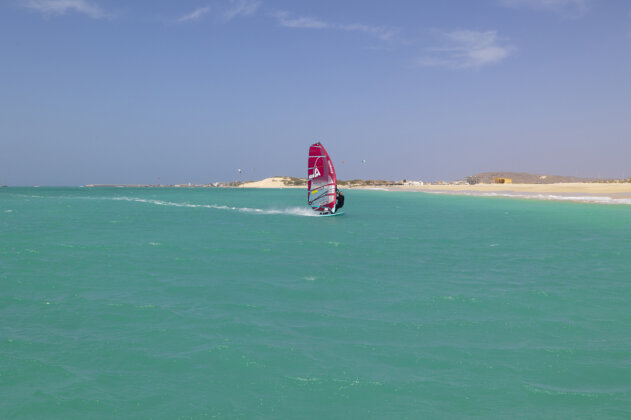
- Dennis Müller flying in the stunning turquoise water of Boa Vista
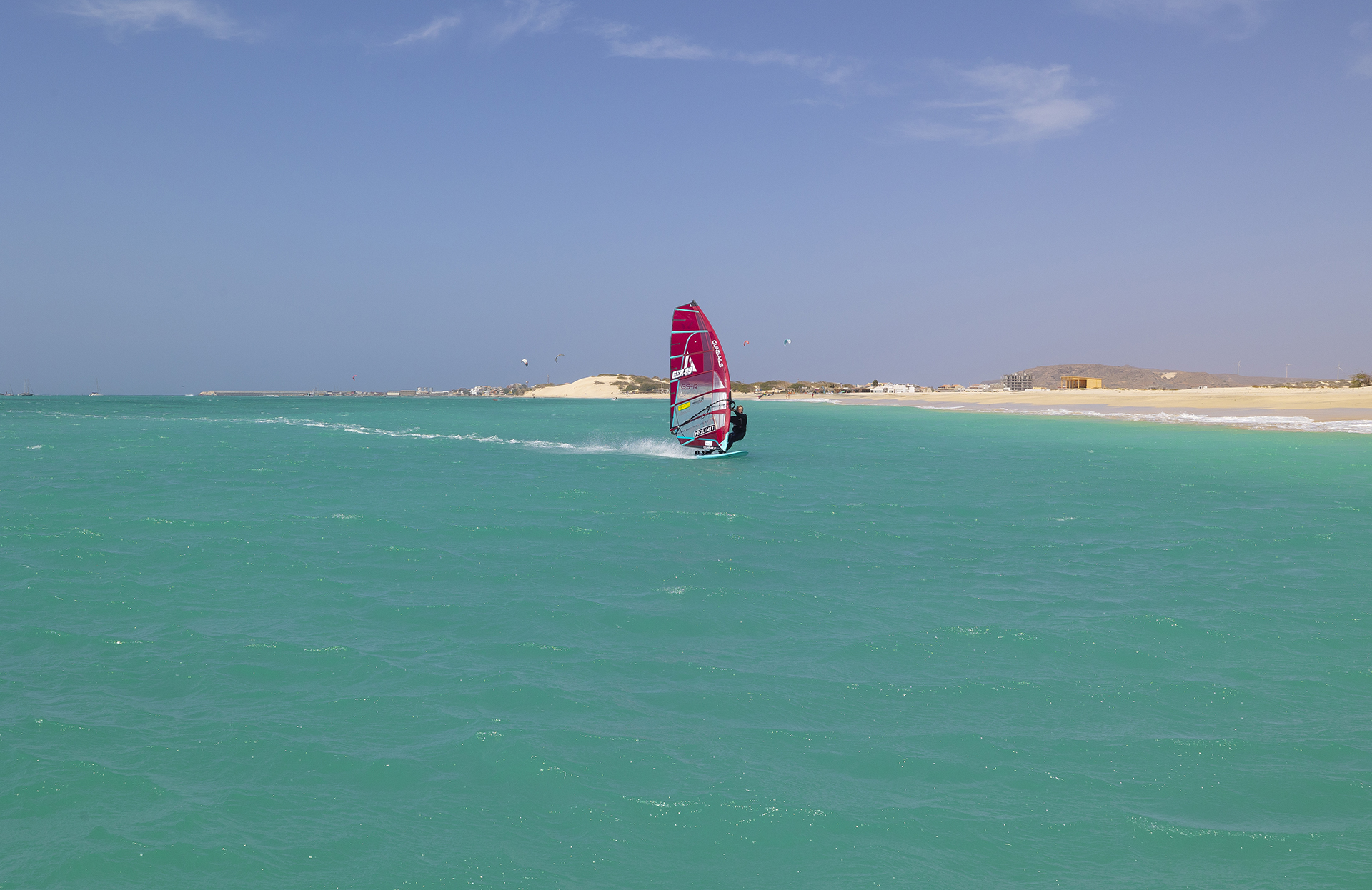
CARIBBEAN COLOURS
Even if we repeat ourselves at this point, the water here has such wonderful “Caribbean” water colours, i.e. turquoise blue. “These water colours! And these marvelous beaches, it’s all a dream!” says Dennis as he heads out for the first time with his board and sail in his hands.
-
- Dennis Müller Laying it down
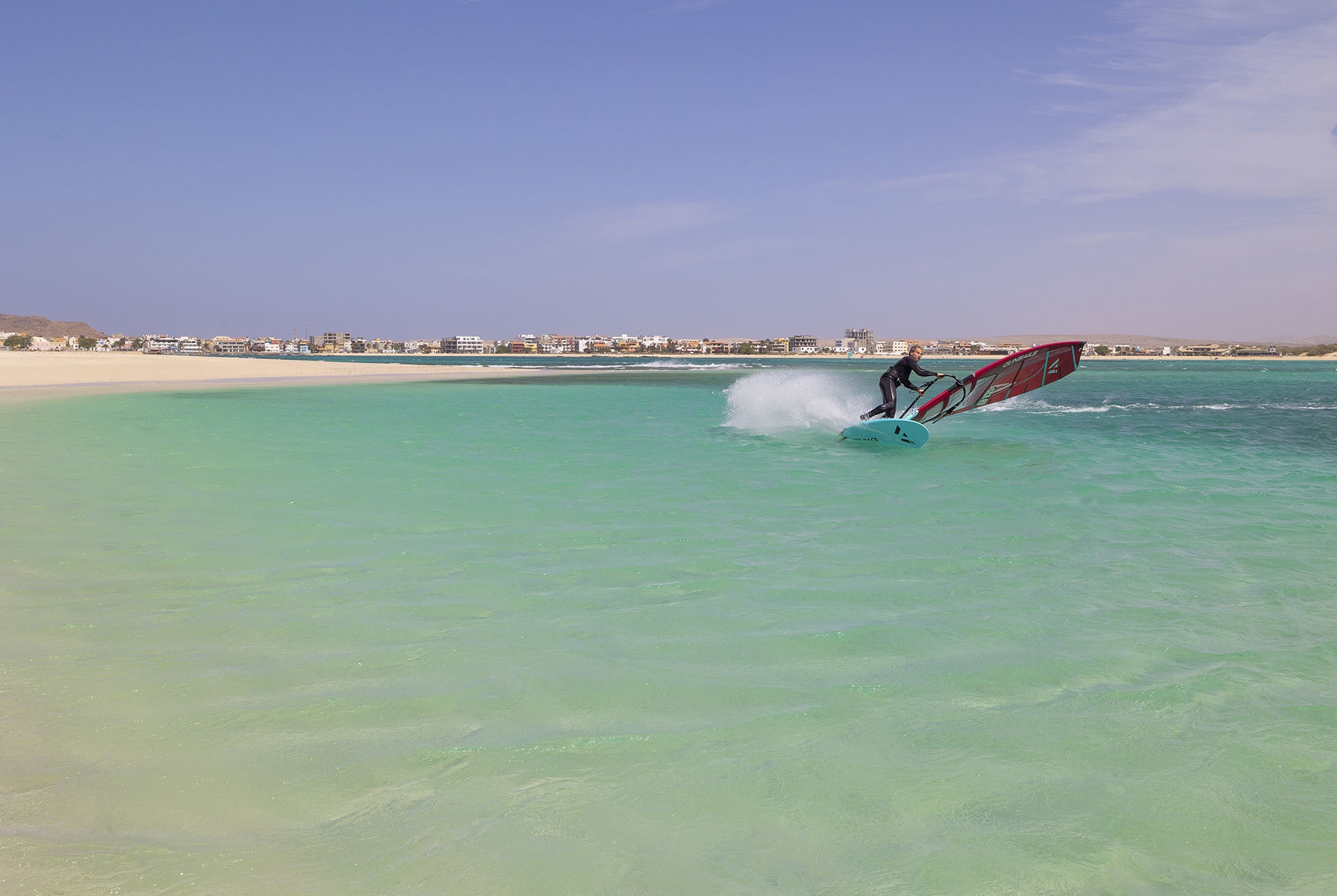
In the first 200-300 metres or so before the station, it is actually very gusty and planing is only possible if you catch a gust or, in the best case scenario, if you miss one. However, in the first part of the large bay you are quickly out of planing again, unless you have picked up good speed beforehand and a piece of space sheet has fallen off. The deeper (“more downwind”) you go, i.e. the further you move away from Sal Rei, the more constant the wind becomes.
-
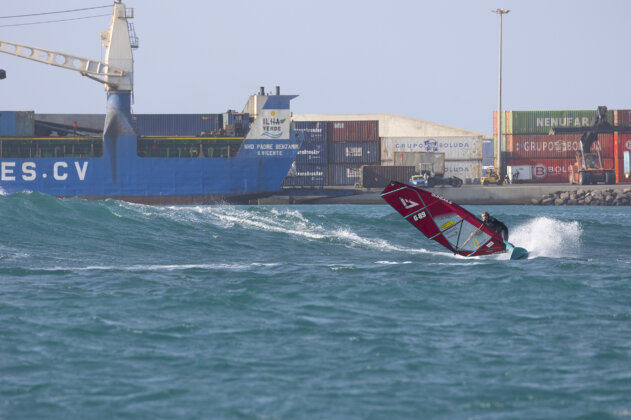
- Dennis Müller, Boa Vista,
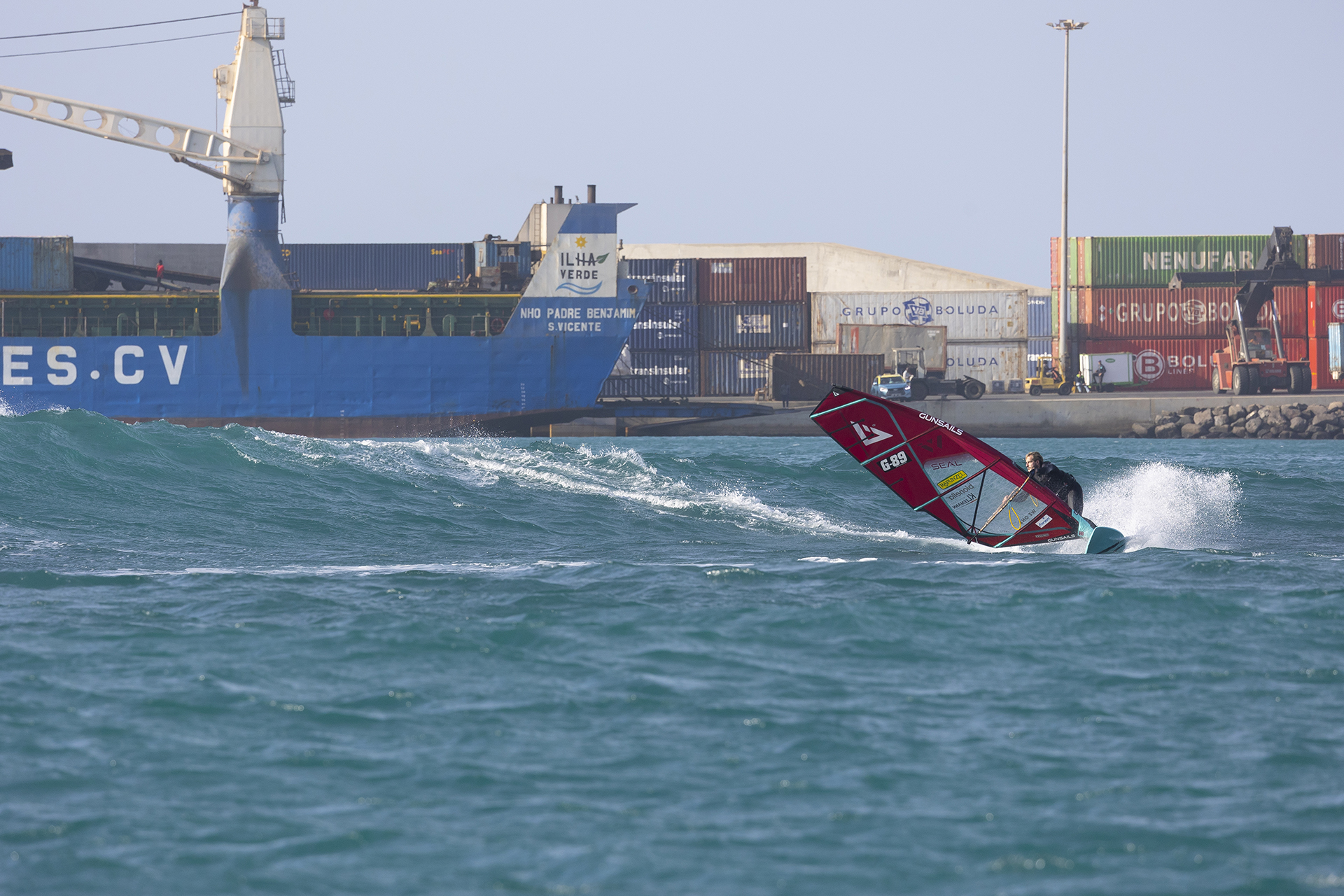
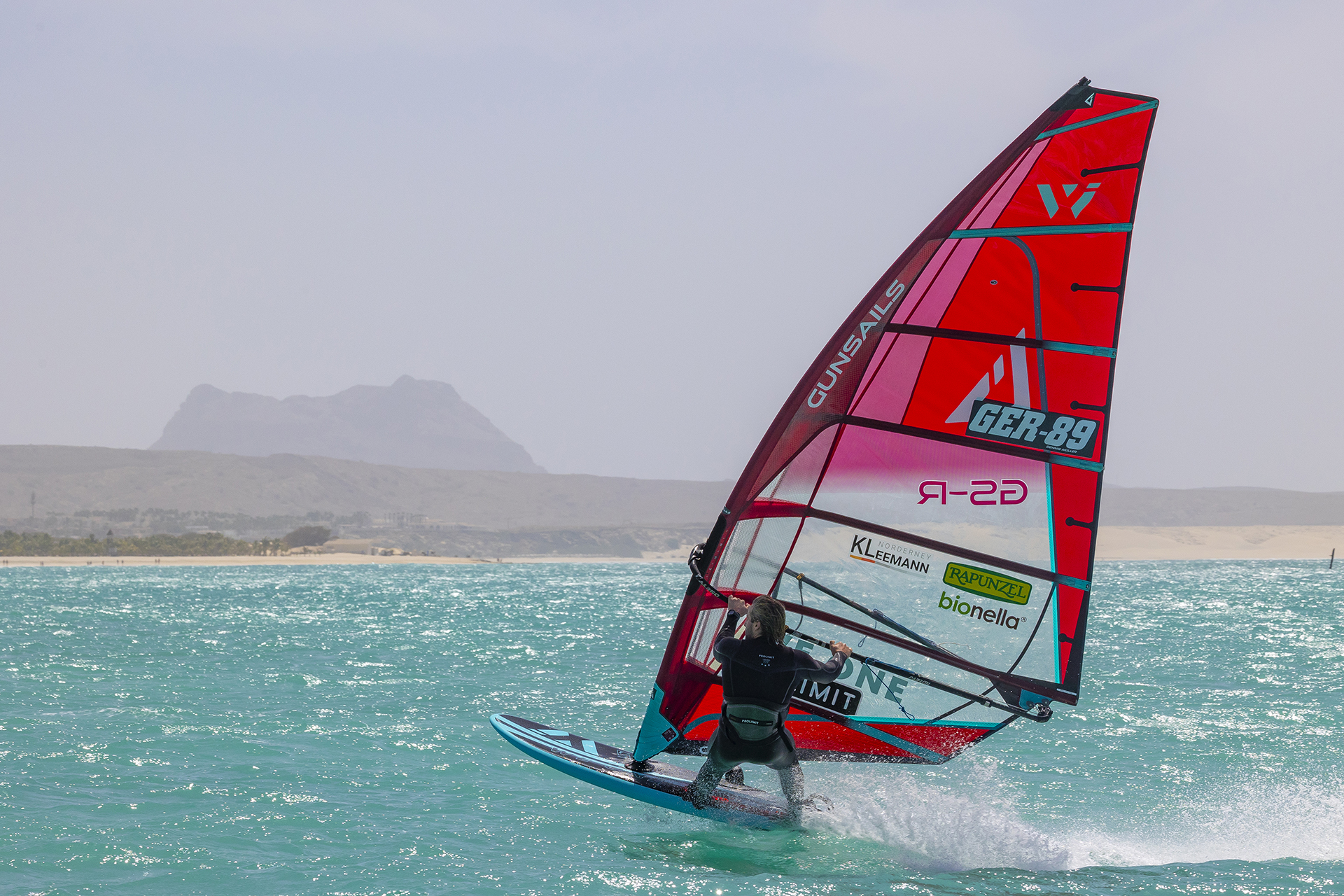
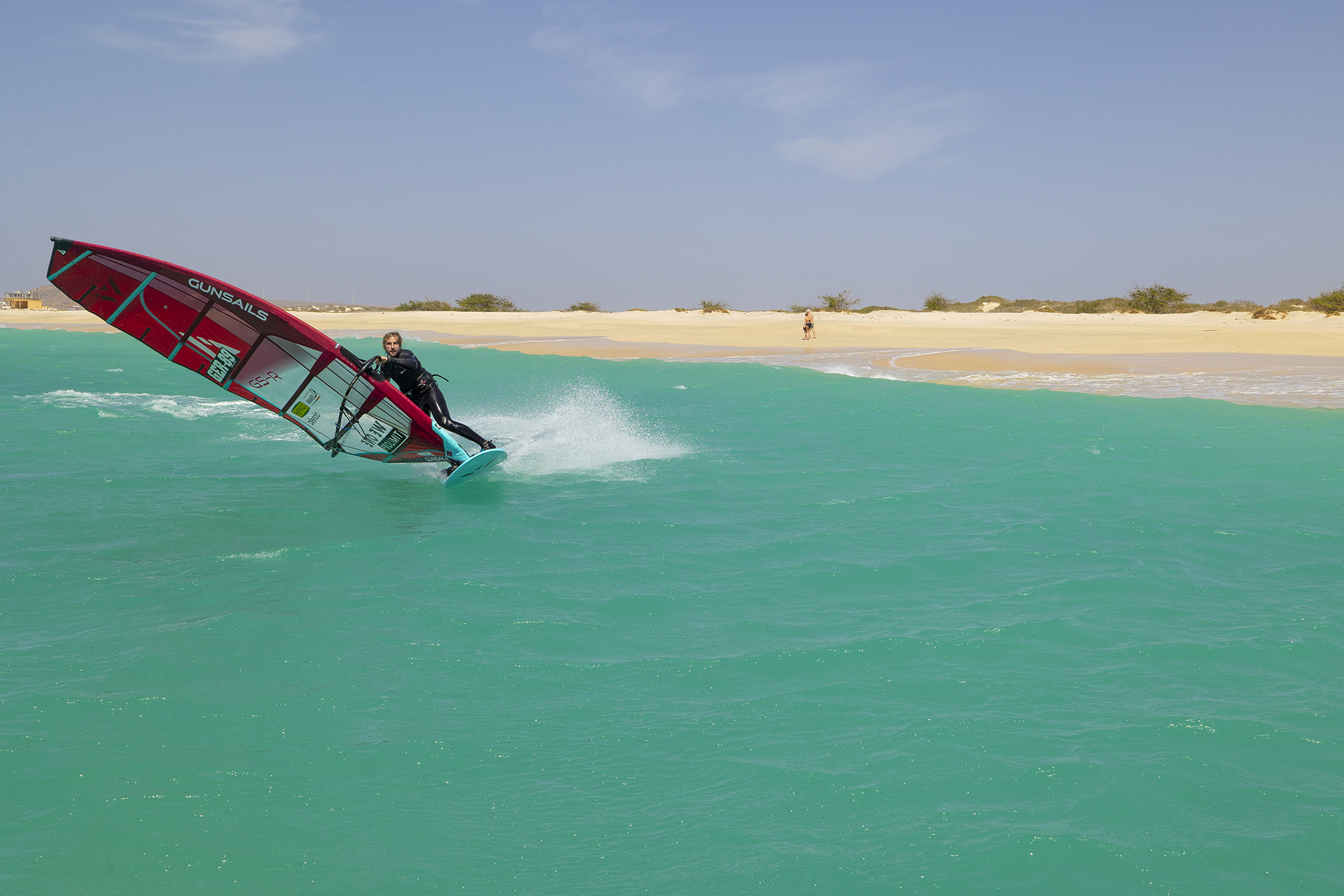
But Dennis Müller has other things on his mind, because the “Liowa” wave is waiting! With his 105l waveboard and 5.7m wave sail, the 96kg powerhouse is heading for this wave in the lee of Sal Rei harbour. From the Planet Allsports station, it’s a distance of easily one kilometre and when we stand at the station and look towards Liowa, we can only see the wave dimly, that’s how far away it is.
Be that as it may, these offshore, gusty wind conditions are not without their problems for Dennis, because he often comes out of the planing again, as he does not want to fall off, because he is supposed to go to Liowa with about half the wind. After about two-thirds of the way, the wind becomes more constant and feels even stronger, as the harbour area is not as densely built up as the town of Sal Rei, where more and more high-rise buildings are being constructed.
LIOWA!
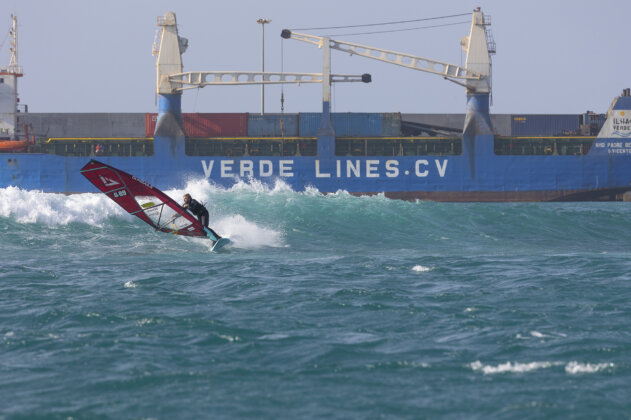
Dennis rides almost to the harbour exit in order to be in a comfortable position for the wave and to wait for the right sets, “On most days you have to keep your eyes open and wait for the sets,” adds the WeOne/GunSails team rider. Liowa (the “lioness”) is so typical because it builds up shortly after entering the harbour and then breaks for the first time in the middle of the wave after maybe 100 metres. It only breaks at the top of the wave crest and although it is certainly not slow, it just has less pressure, or “punch” as Dennis puts it.
-
- Dennis Müller,Wavespot Liowa, Sal Rei, Boa Vista,
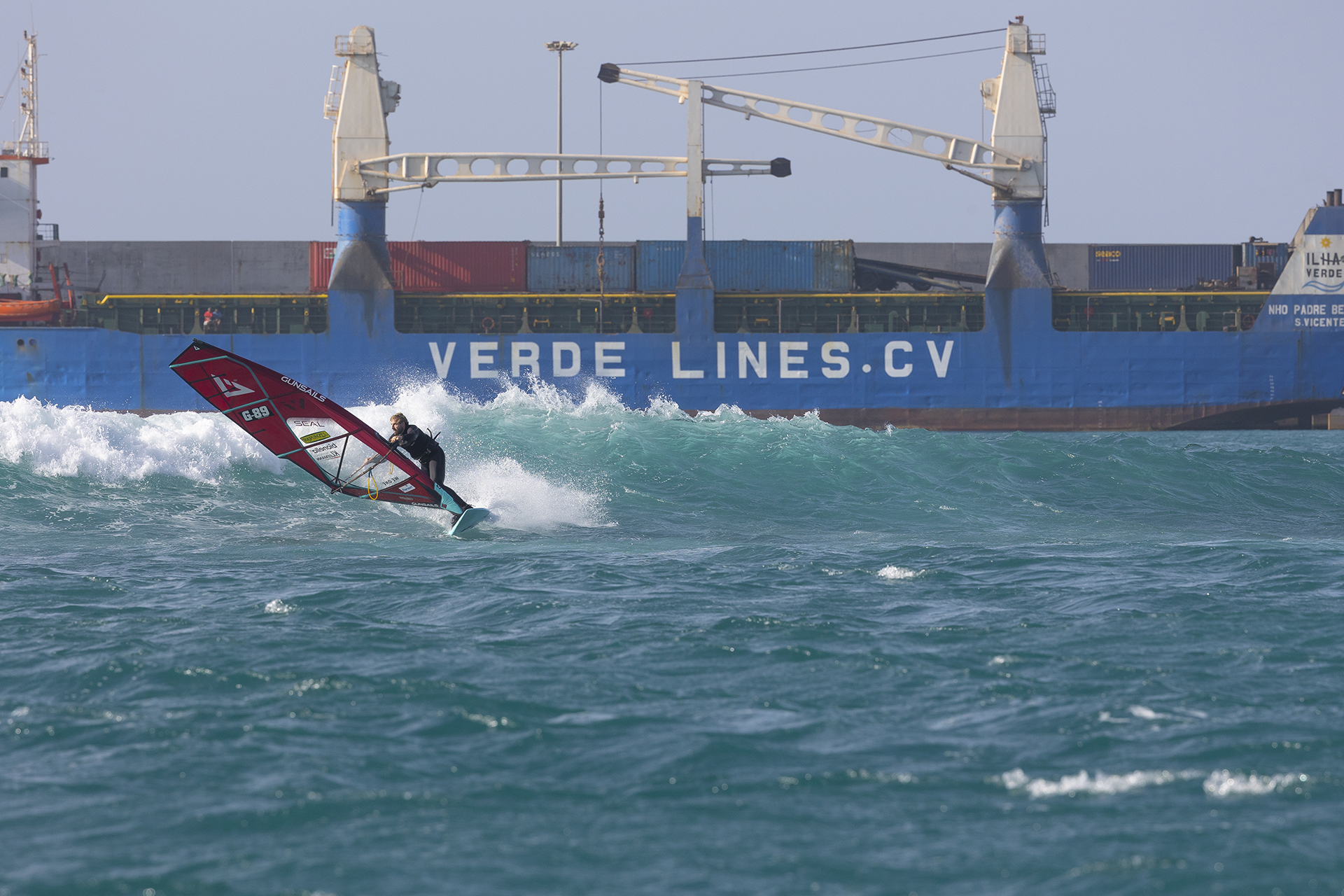
The wave then continues(!) to break again after another 100 metres in the best-case scenario. However, the force of the wave has then – typically – decreased. “However, be aware that the two peaks can also barrel on good days. But that’s exactly where windsurfers can easily and safely stay out,” adds Gabriel, head of the Planet Allsports centre.
And this wave pattern is repeated day after day. Of course, the wave height is determined by the swell, i.e. from the NW and W, but that’s how “typical” Liowa’s flow is. And because this process is exactly the same, it can be very safely avoided on the left and right when heading out, because what still arrives at the edges is a bit of swell and nothing more. But for Dennis, who usually likes to rip the waves of Cape Town and One Eye, riding out is of course no problem, but every wave entrant and climber will be happy about this safe ride out!
-
- Dennis Müller, Planet Allsports Station, Boa Vista,
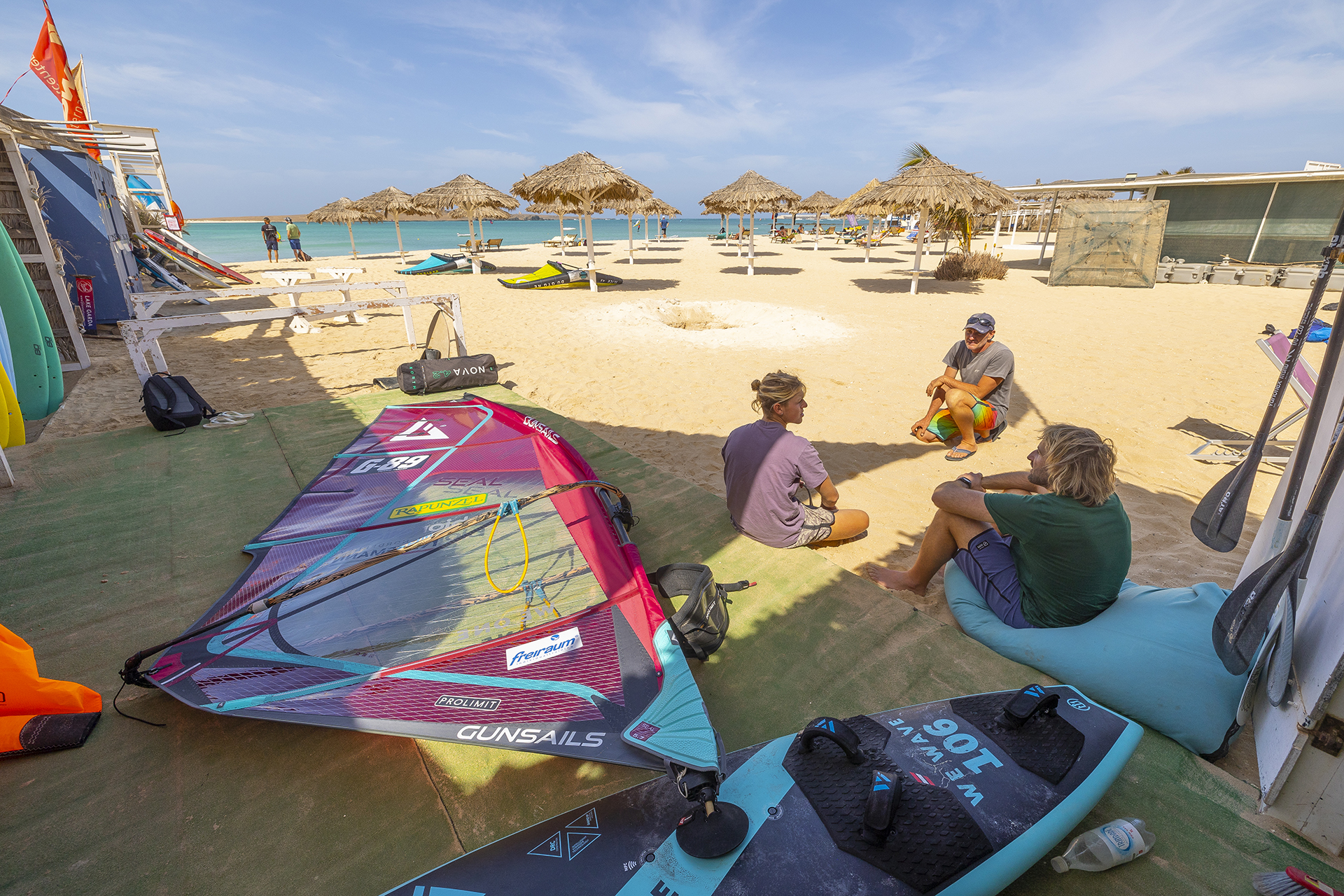
Dennis Müller: “The Liowa wave is a good wave for wave beginners and intermediates. It breaks twice, but doesn’t have so much pressure that it would destroy material during the wash. So you can do two or maybe three turns on the wave quite safely, but the timing has to be right, because although it likes to reach a height of two metres, it never really has that much pressure. The timing for my cutbacks and top turns had to be precise so that I could rip the wave.”
-
- Dennis Müller, fun in the sun
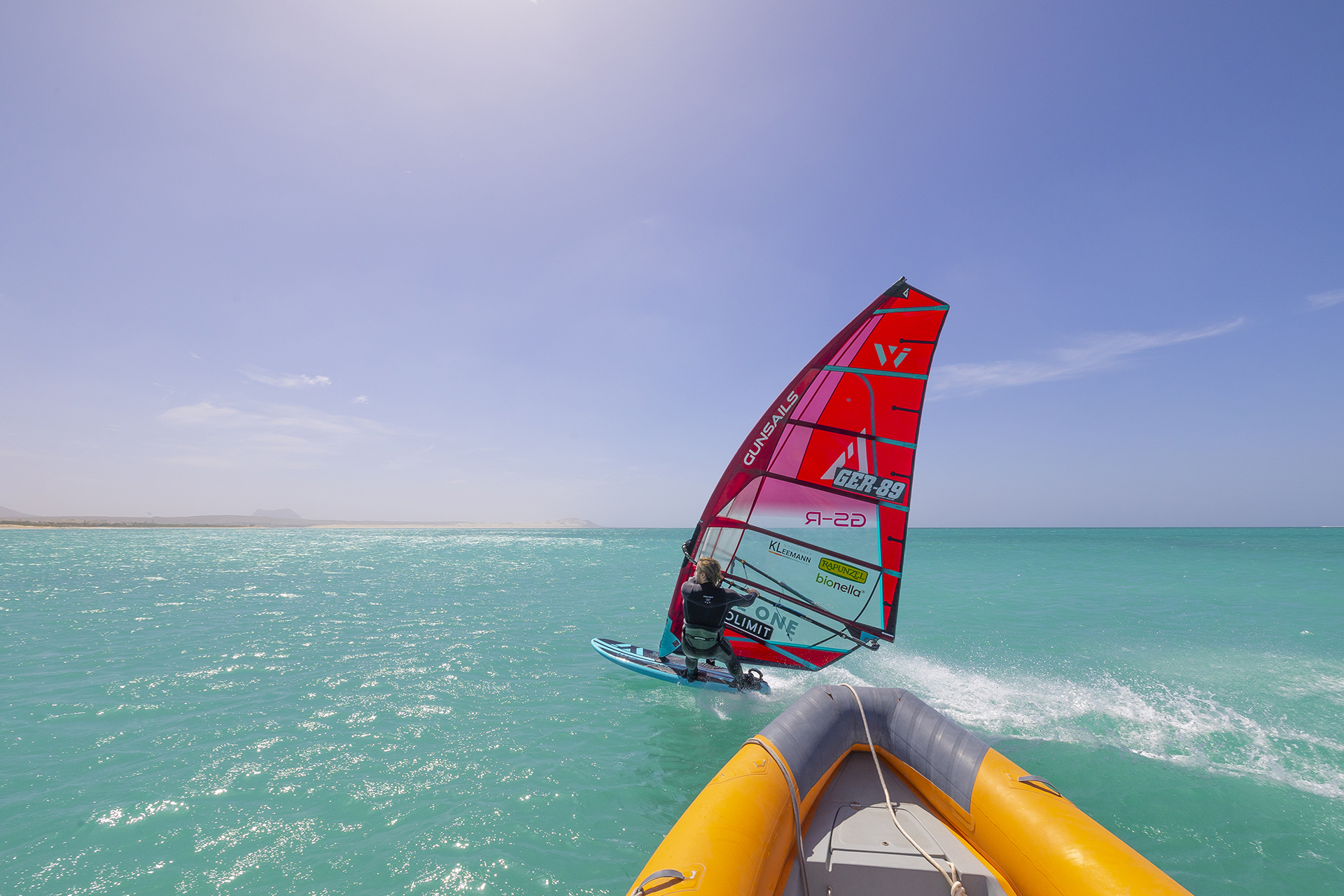
WINDSURFING SPOT IN THE LARGE BAY OF SAL REI
However, if we travel a little further down the large bay, then further down, just above the island of Ilhéu de Sal Rei, we can still expect gusty winds, but they are a little more constant and are good enough for many windsurfers to go freeriding. However, it should also be noted at this point that not every windsurfer will be happy here either, as the wind is more consistent here, towards the island of Ilhéu de Sal Rei, but it is still “gusty”. Quite a few windsurfers we spoke to during our time were not happy in this area either.
-
- Dennis Müller hand drag Boa Vista,
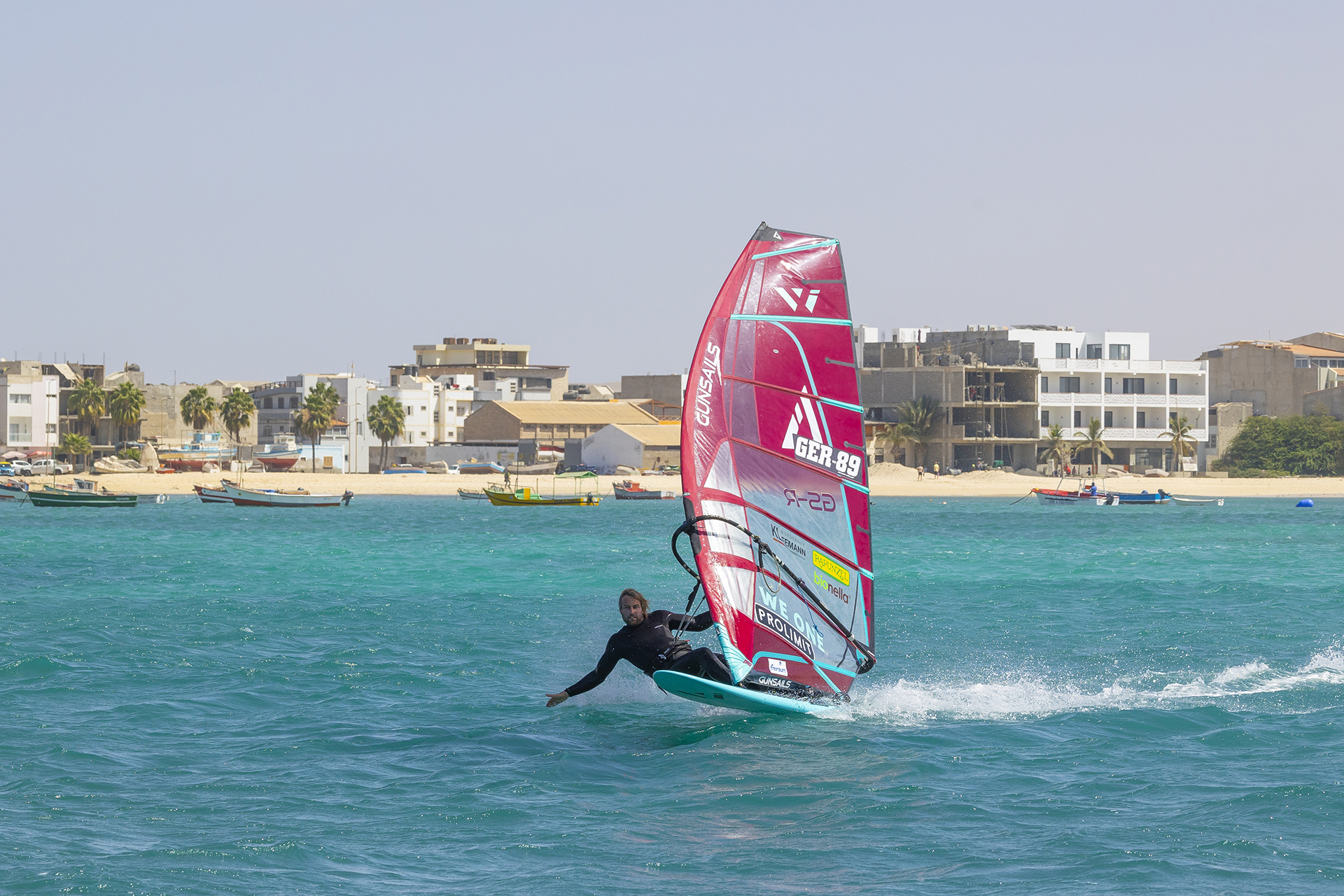
WINDSURFING SPOT DIRECTLY IN FRONT OF ILHÉU DE SAL REI
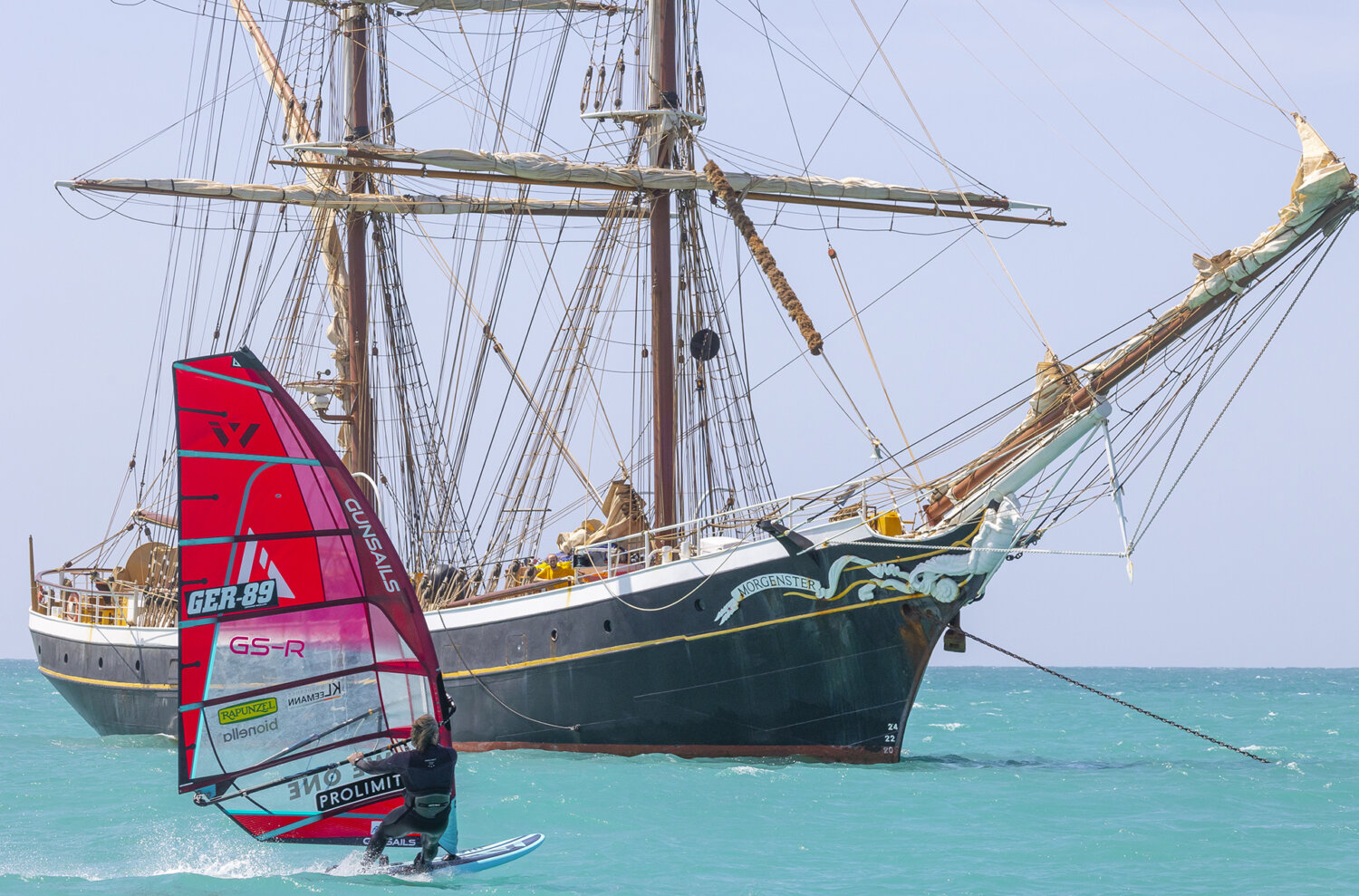
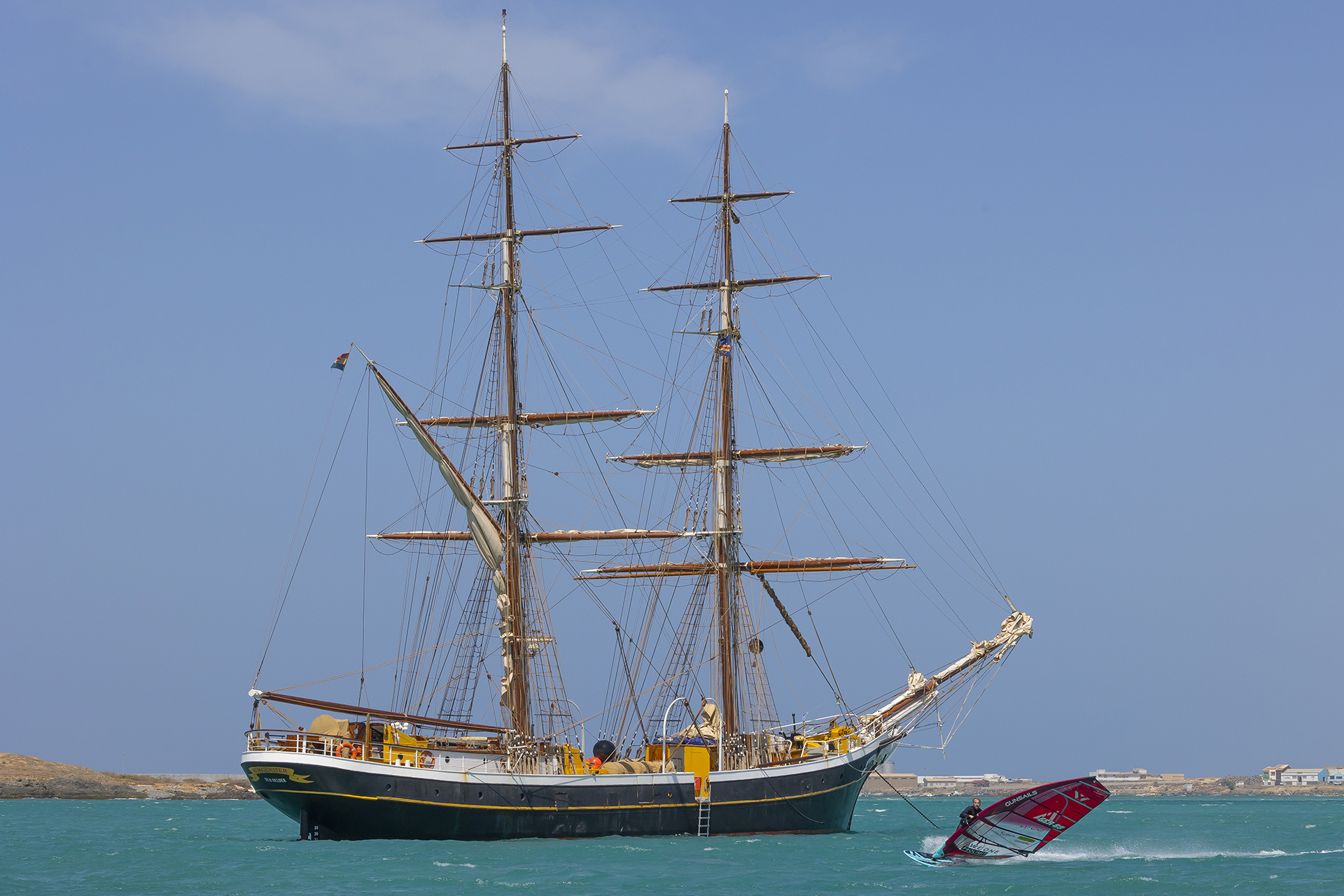
A little further down, the beautiful beach of Ilhéu de Sal Rei awaits us! This shallow, small bay with its fine white sand and beautiful turquoise water is another “holiday within a holiday” for us. Far away from other water sports enthusiasts, this awesome location is worth three sessions on the slalom board for Dennis. He rides on half strokes until he reaches the sailing boats anchored in front of the island, before heading back towards the sandy beach and cutting his race jibes into the water in the shallow area.
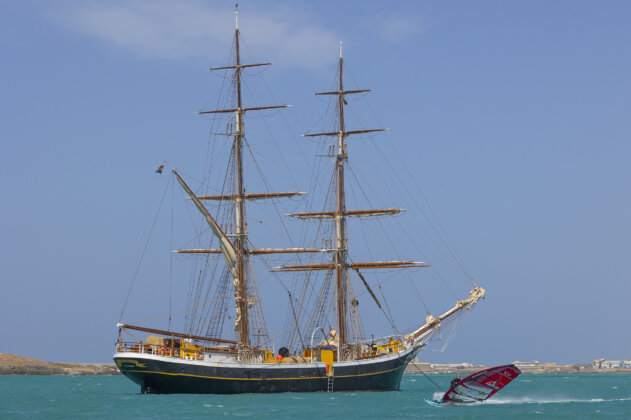
We disembark here to take a look at the old fortress. It was built around 200 years ago with a few cannons to protect the island’s salt production from pirate attacks. There is also a two-masted sailing ship off the island and Dennis thinks he recognises the pirate Jack Sparrow on it, but that’s another story.
-
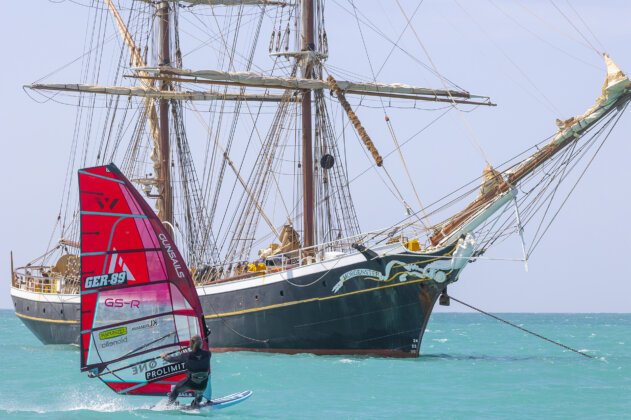
- Dennis Müller playing pirate Boa Vista Cape Verde
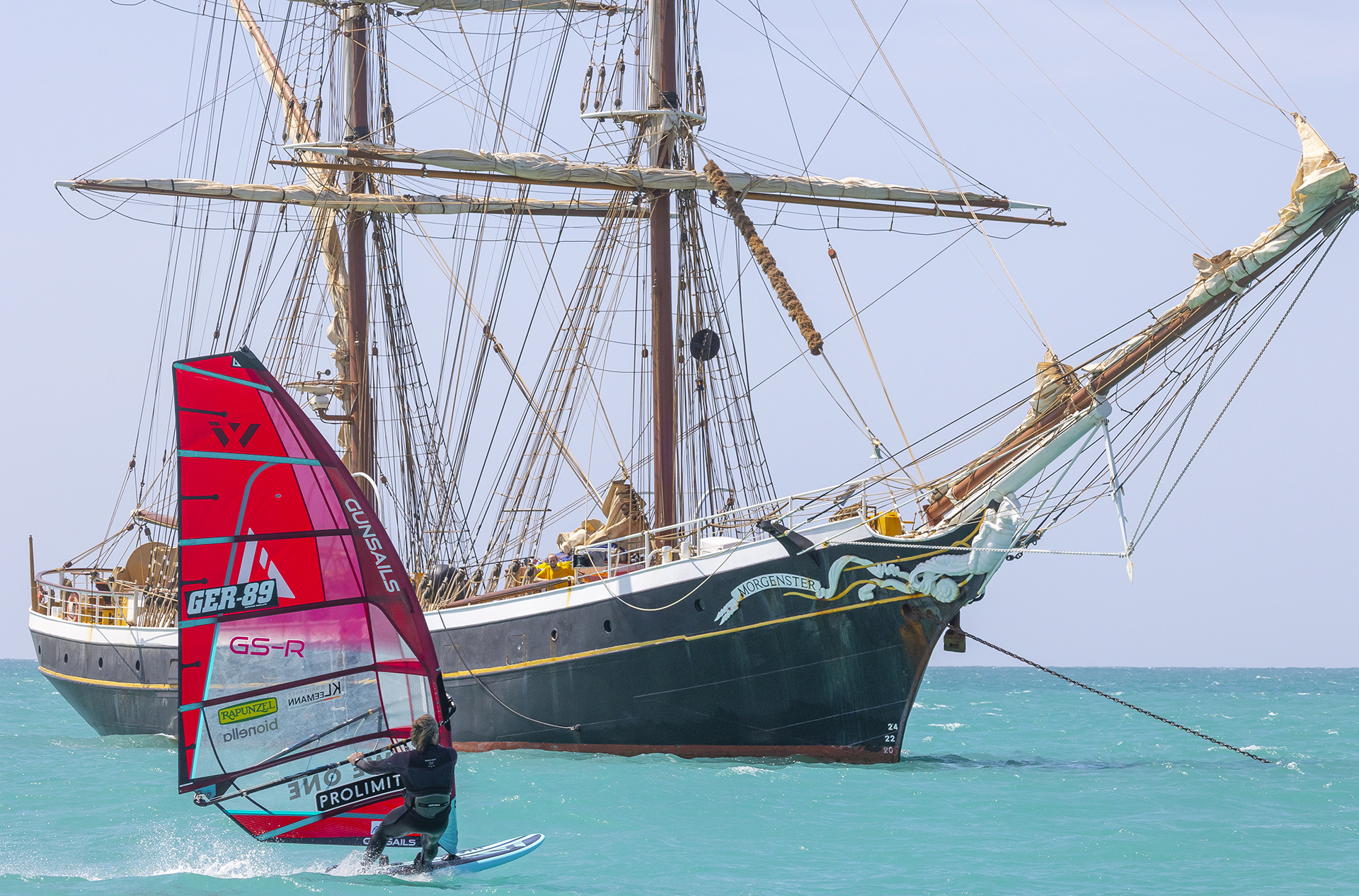
MORABEZA BEACH
We continue down past the large dune to the Duotone Pro Centre and Kitekriol station further downwind. The wind gets more steady here and “it’s really fun to press the accelerator pedal on the slalom board” Dennis beams at us. And, yes, it’s a nice speed run here, because the wind blows offshore again, but where the town with its many houses further up makes the wind gusty, it only comes over the flat land. And there are plenty of kiters on the water here, at least in front of the DPC and Kitekriol centres, due to the steady winds. Kitesurfing lessons are also organized here. We have experienced days here when only some of the swell waves come in, but on the other hand there is always more shorebreak here, which doesn’t make it any easier to get out on the water with windsurfing equipment.
-
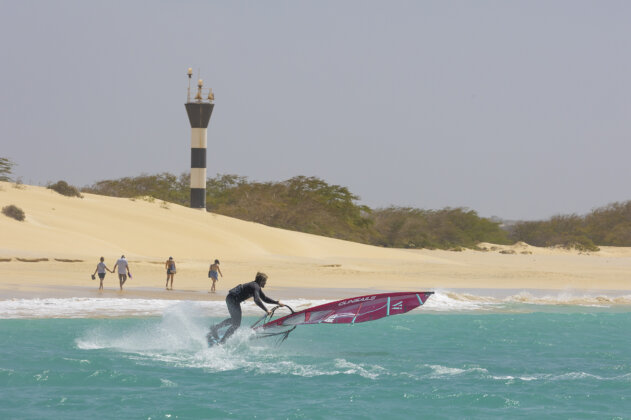
- Dennis Müller Morabeza Beach
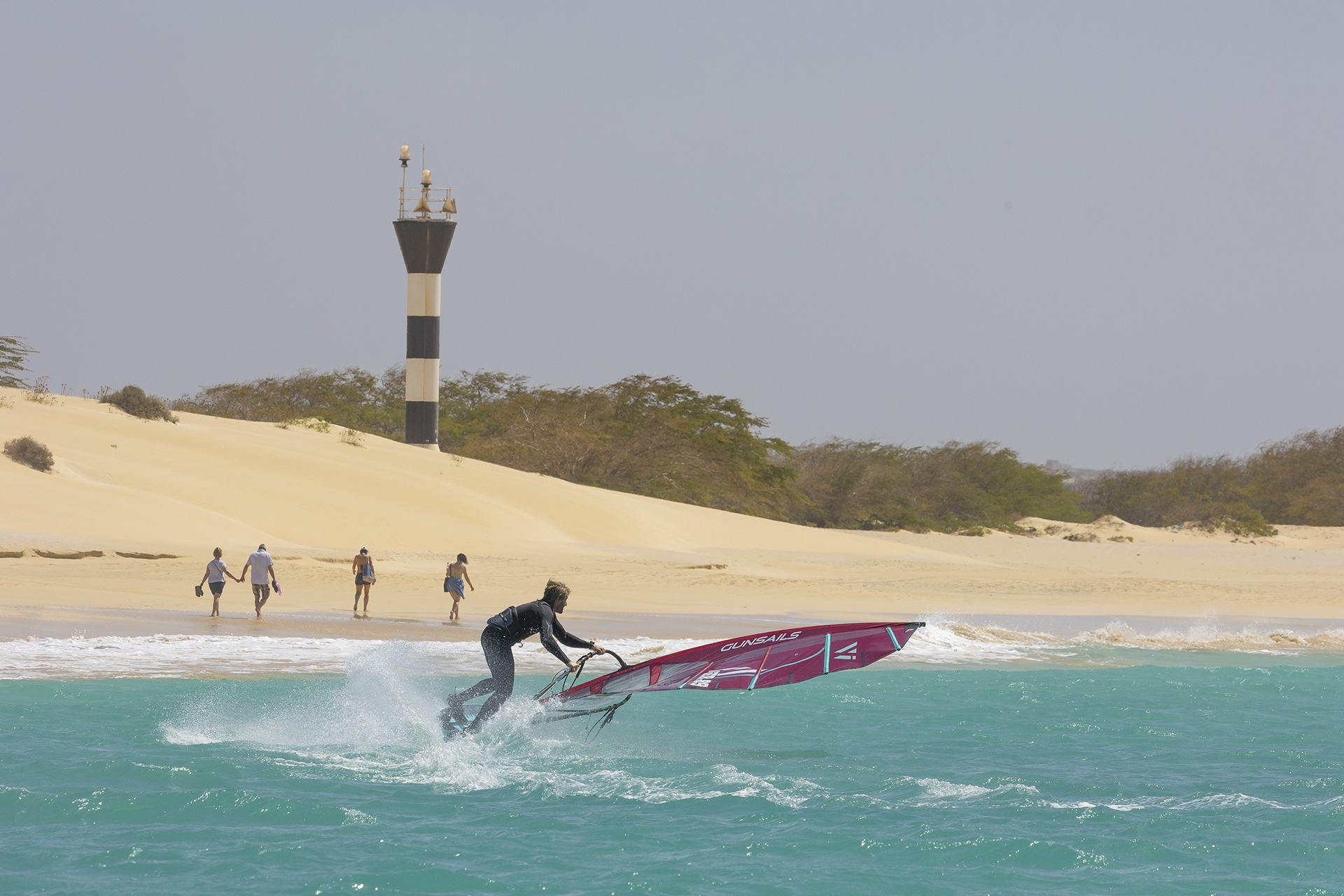
And while the Atlantic waves in front of these centres are even more moderate, there are waves with shorebreak in front of the two Riu hotels further down that can be quite a challenge on some days. According to reports, there are more days with a full shorebreak here.
-
- Sal Rei, Boa Vista
SAFETY
Of course, safety is a very important issue in these offshore winds: the staff at Planet Allsports Station constantly keep an eye on their customers, i.e. on all windsurfers and wingfoilers who go out on the water wearing striking pink shirts and are therefore recognisable on the water. We often see the staff intensively scanning the spots with binoculars in order to be able to immediately rescue any customers who may have had an accident. The centre is equipped with motorboats that can go out immediately in such cases. In our opinion, this is done very conscientiously by the centre. We cannot speak for the safety of other centres further south at this point, but we have observed that they also have at least motorboats in use.
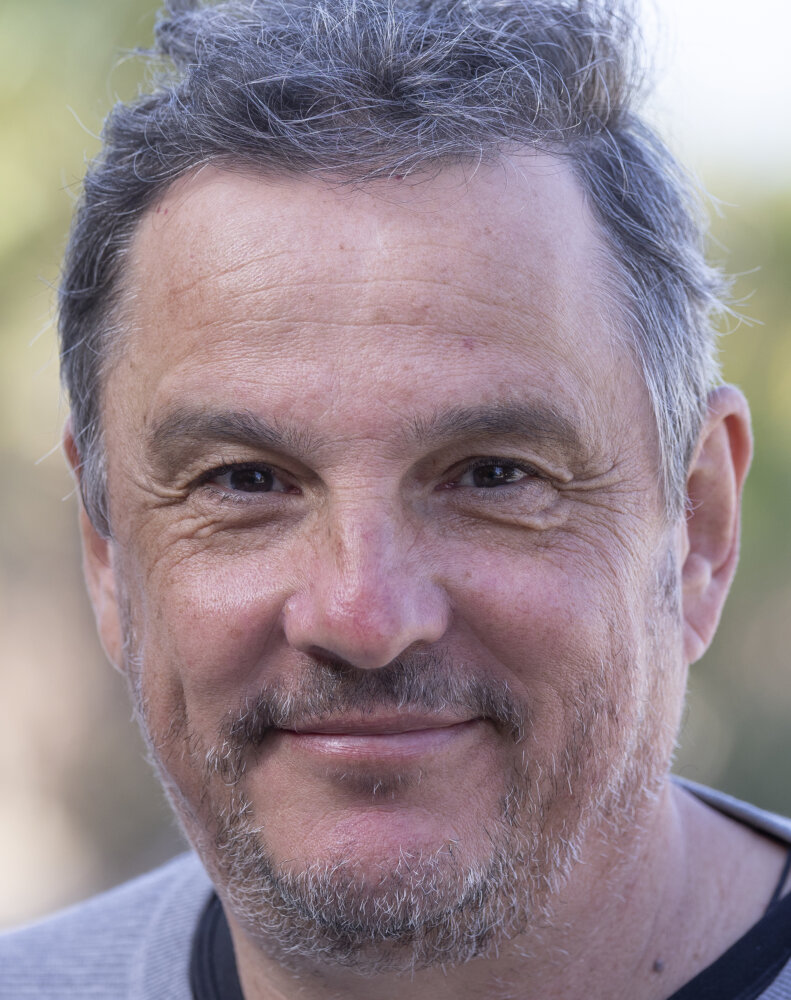
Thomas, 54 years old, from Munich:
-
- Thomas, 54 Jahre, aus München, Hobby Windsurfer, Boa Vista, Kapverden
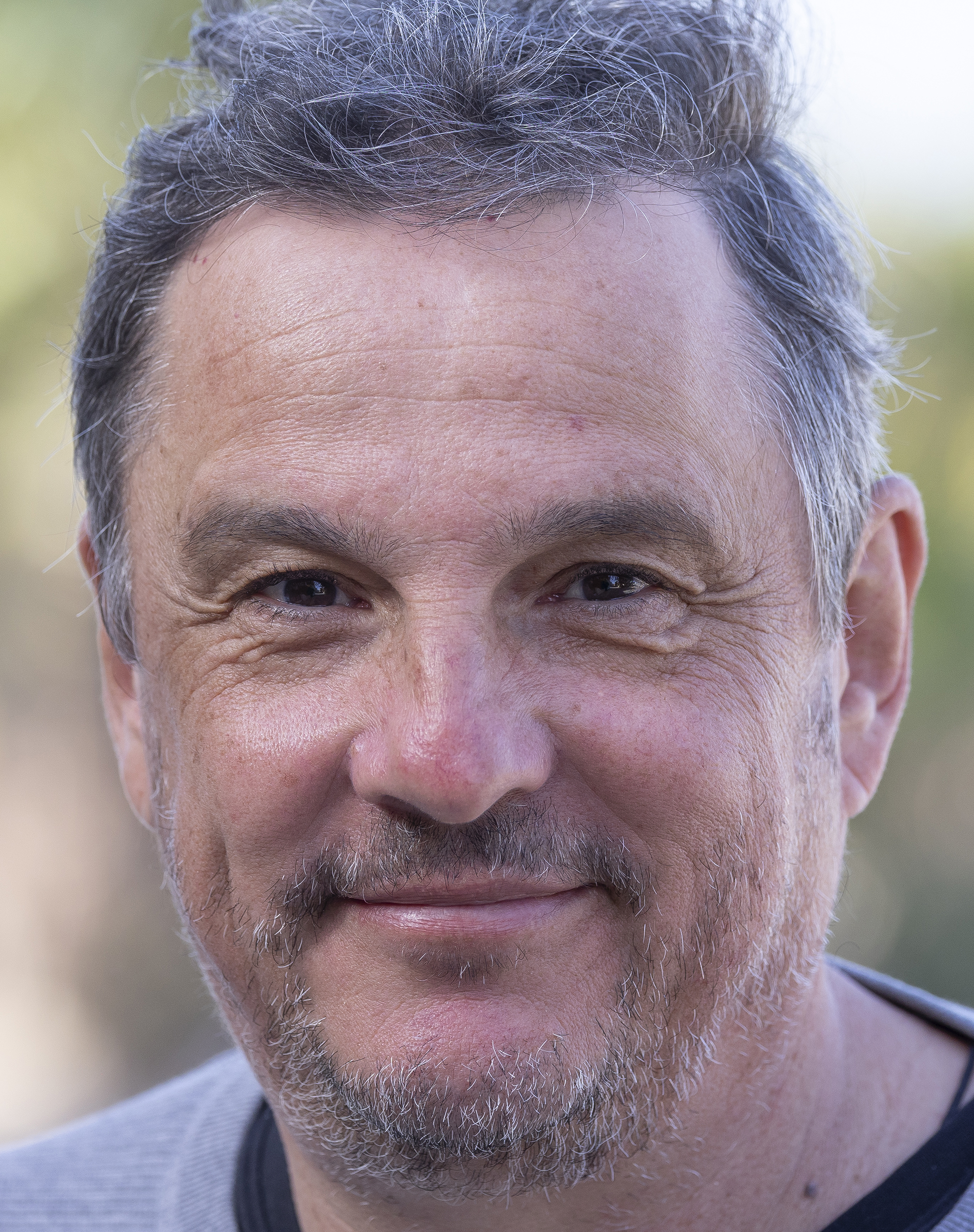
“I find it quite pleasant to go windsurfing here on Boa Vista as an intermediate surfer. The wind is not so strong, the water is quite smooth and I have an area with standing depth in front of the Planet Allsports centre. My learning goal here is to get into the footstraps. The centre is well equipped with boards and sails, the staff are all very nice and there’s a good atmosphere here.”
-
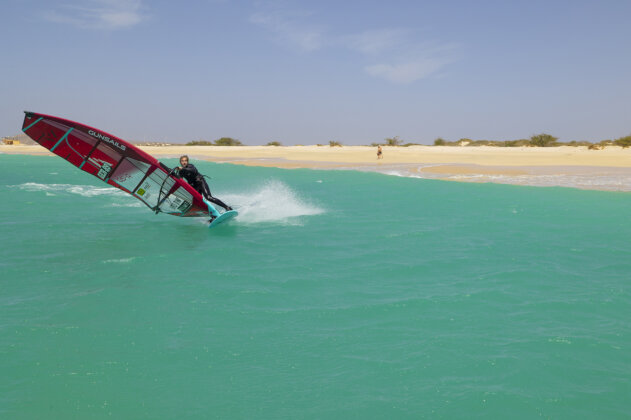
- Dennis Müller
Conclusion
After a direct flight of around seven hours from Germany in the winter months, the Cape Verdean island of Boa Vista offers windsurfing conditions that appeal to many windsurfers, with very consistent trade winds and smooth water, including some good waves.
In front of the Planet Allsports centre, which is closest to the town of Sal Rei and offers a wide range of water sports, Liowa offers good waves for beginners and intermediates, as well as good flat water conditions for windsurfers and intermediates directly in front of the centre. Freeriders are better advised to go a little further down or even to Morabeza Beach to get a steady wind.
-
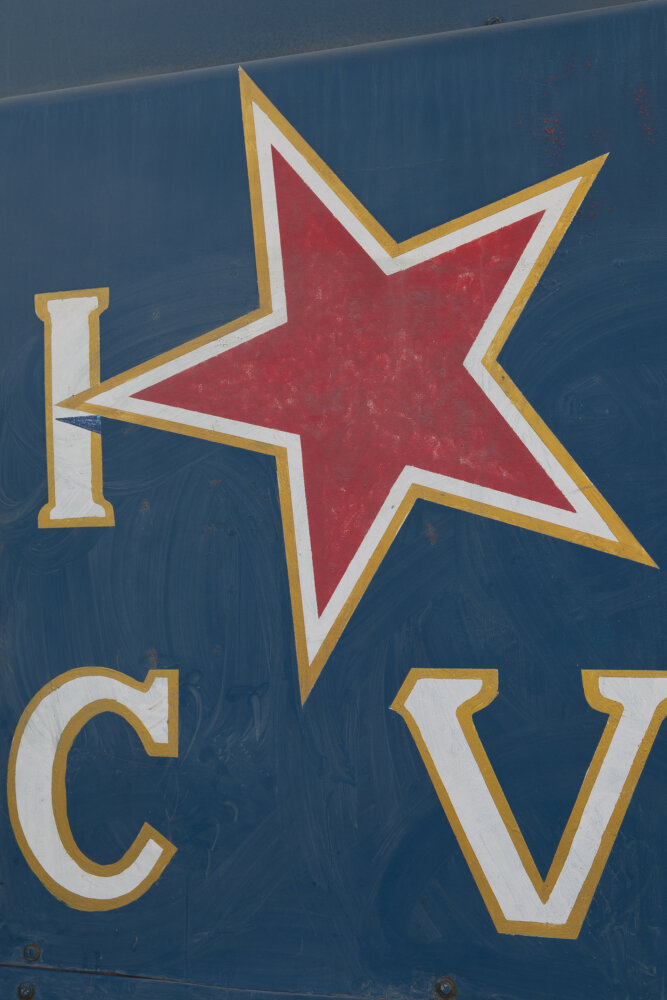
- Boa Vista, Kapverden
It must be made clear that there are frequent voices that – rightly – criticise the difficult windsurfing conditions with the very gusty wind in the triangle between Planet Allsports Station, the town of Sal Rei and just off the island of Ilhé de Sal Rei. In this triangle, the offshore wind is constantly ON/OFF, which is not much fun for many. We experience a speed run with steady wind further down between the large sand dune and the Riu Hotel Karamboa. There are also several spots on the island with wind from the left, from the right, with smooth water and wave conditions.
-
- Stadt Sal Rei, Boa Vista,
OTHER SPOTS ON THE ISLAND
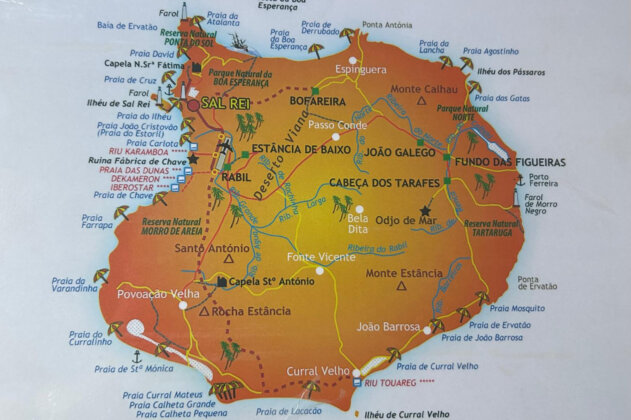
Farol de Morro Negro: We hire a 4×4 pick-up to explore the island and get to know a spot with sideshore wind and a few waves. We drive for a good hour along roads that are paved at best and then return to the spot to enjoy the wonderful water colours, bright sandy beaches and this never-ending trade wind, today at around 20 knots. Further to windward, there is a stretch of smoother water and further down, as the tide drops, a wave builds up, some of it clean and perhaps a metre high. Apart from us, there is already a wingfoiler and about 10 German and French kitesurfers on the water.
-
- Wesley Brito Outer reef!
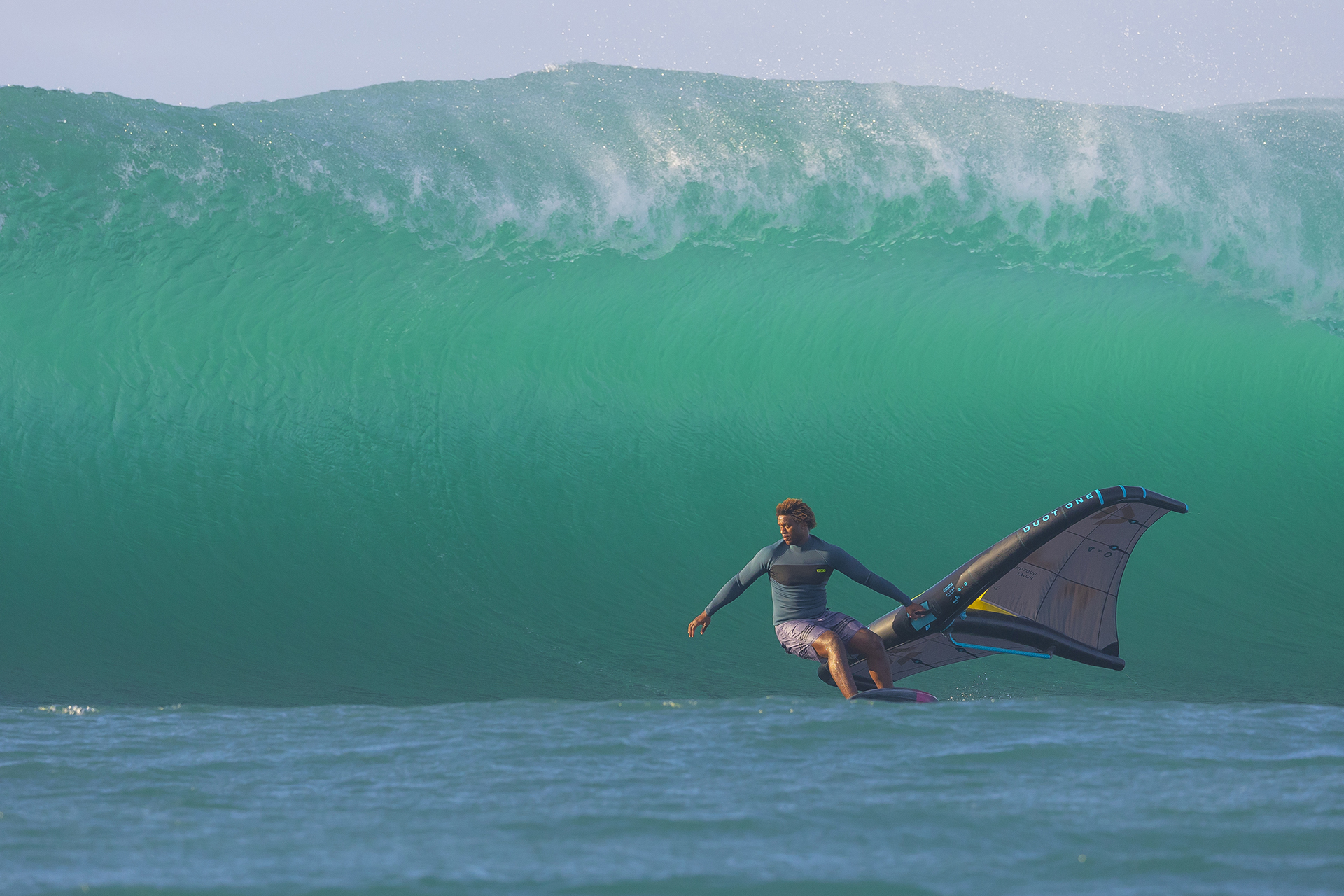
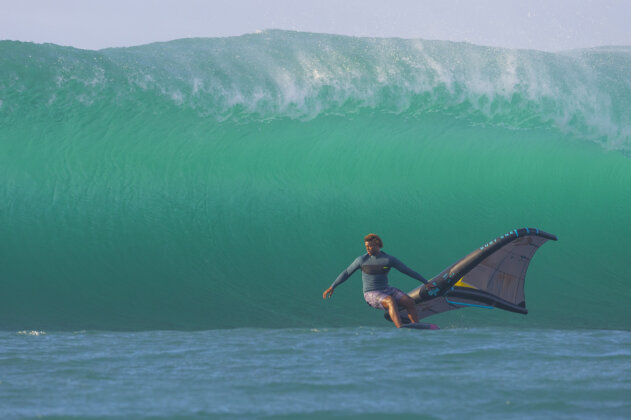
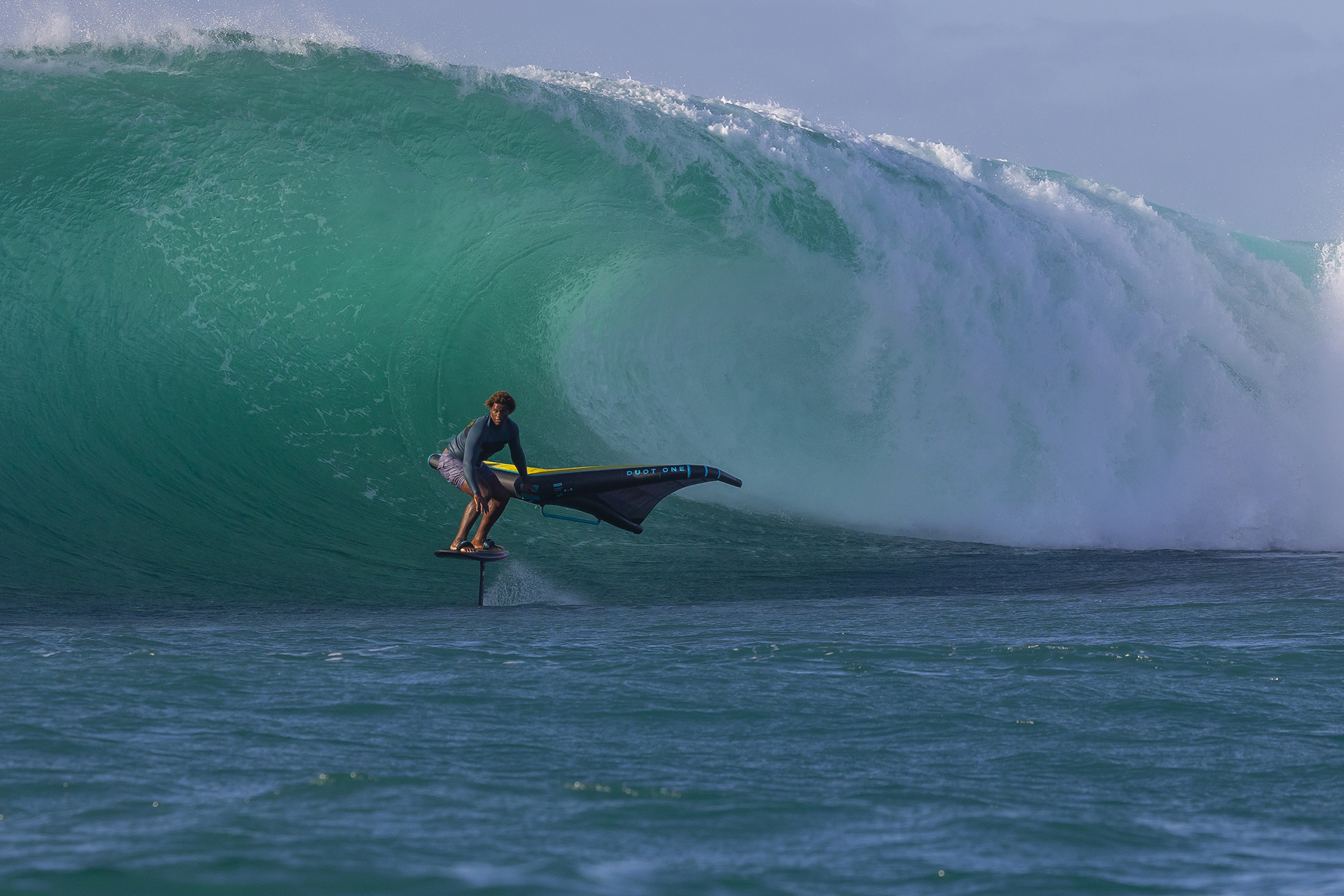
Outside Reef (“English Reef”): There is also the Outside Reef, also known as the “English Reef”, two km from the coast. However, the waves there only break from a height of around three metres. It can be up to six metres high, barrels very powerfully and also has a very thick lip! This spot is only recommended for absolute wave pros and even these should only go here with a boat escort!
-
- Wesley Brito, Boa Vista, Wingfoilprofi, Outside Reef 2km offshore Boa Vista,
Behind the island of Ilhéu de Sal Rei: “Behind the island of Ilhéu de Sal Rei there are more waves, some of which are very clean and also some in the “Ponta Preta format”, Gabriel, manager of the Planet Allsports centre, tells us.
Shipwreck/Praia da Atlanta Santa: Park the car further up and walk down to the spot. Onshore wind, wavy and lots of rubbish.
Espinguera: This spot is on the right-hand side. With smoother water under land, you also have standing depth and swell waves further out.
Praia Mosquito (“Secret Spot 1”): You need a stronger wind from the north-east, otherwise it gets too gusty. The waves run over a point break with clean waves of over 200 metres.
Praia de Ervatao (“Secret Spot 2”): Located south of Praia Mosquito, good lefthander waves, point break, but not as radical as Praia Mosquito. Although this spot is the furthest location from Sal Rei at around 1.5 hours by car, it is sometimes overcrowded with kitesurfers.
Praia da Vrandinha: The wave spot Vrandinha is located at the south-western point of the island. It works best with a north-west swell, the wind comes from the right and the waves break as a reef break.
-
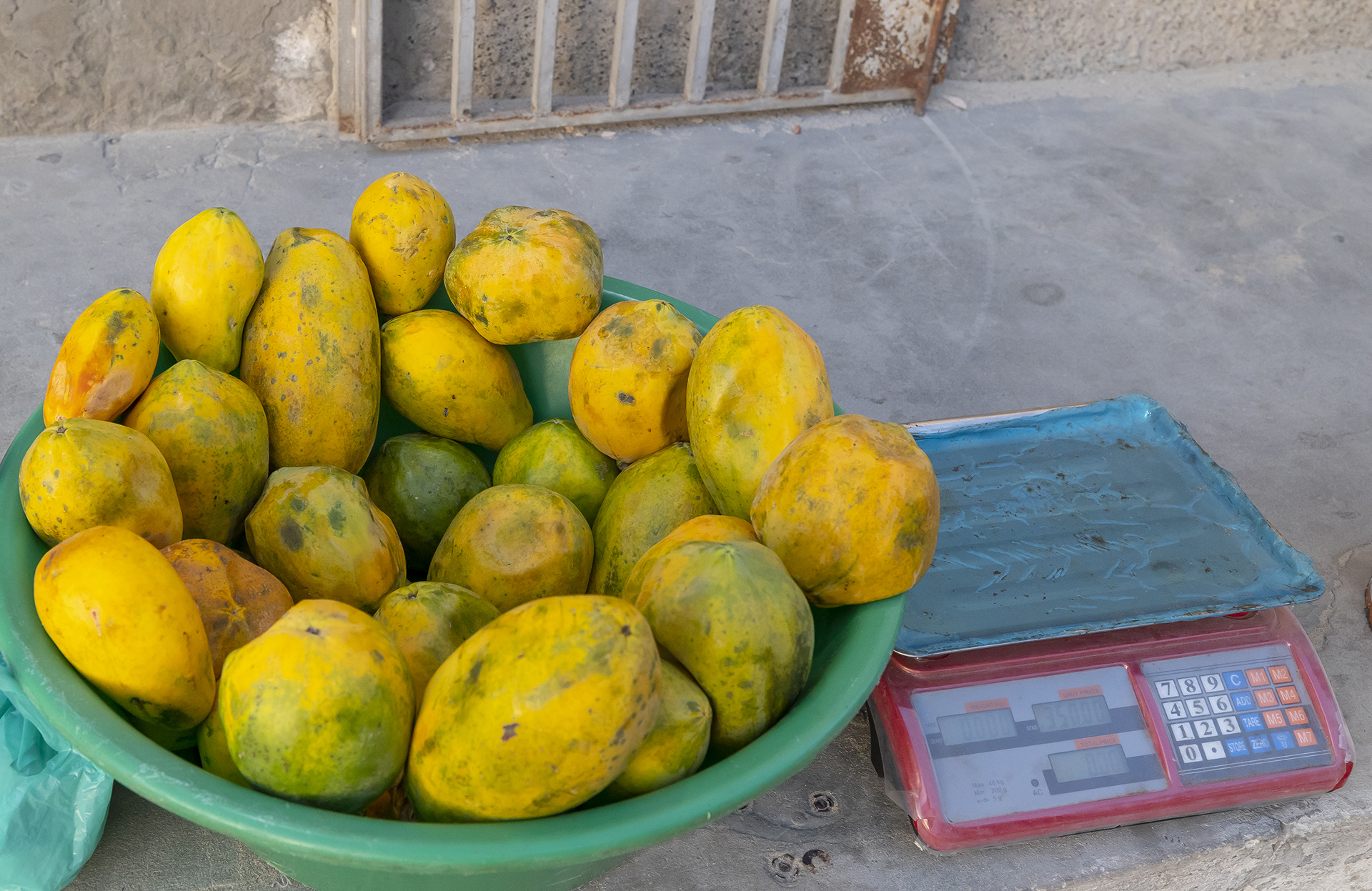
- Papaya
TOWN OF SAL REI
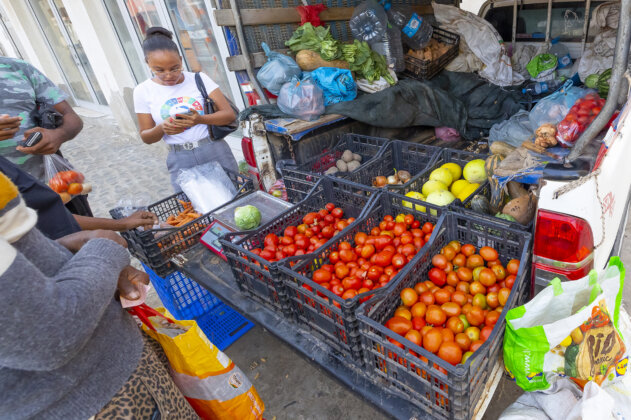
Centuries ago, the main occupations were the mining and trading of salt and fishing, but today the locals are increasingly making a living from tourism. The infrastructure with accommodation, small restaurants and cafés, small supermarkets, a hospital and two petrol stations is now “good”, although this infrastructure has not been in place for long and the quality of the services on offer is not yet satisfactory for everyone. During our stay, we meet Axel Bischoff from the Sun and Fun sales office, who is scrutinizing various accommodations on behalf of Sun and Fun. In conversation with Francesco Lazzari from Hotel Ca Nicola, Axel is shown rooms and services on offer (see picture). It’s nice to see that specialist windsurfing holiday organisers like Sun and Fun are always doing their research on site to guarantee customers the best possible quality.
-
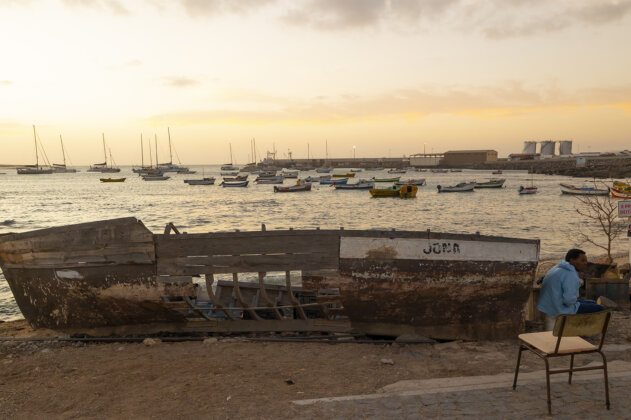
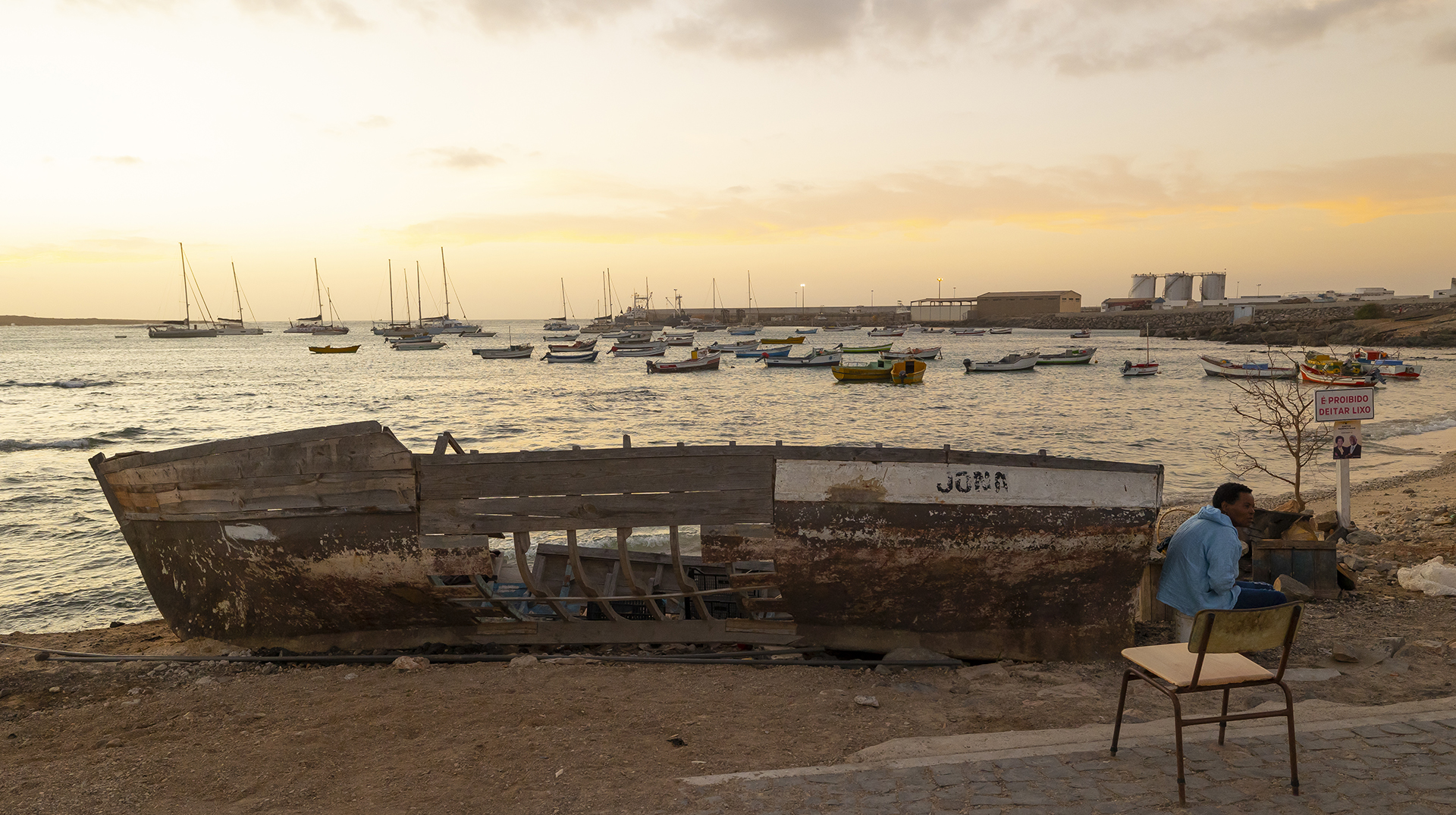
- Sal Rei, Boa Vista
Francesco Lazzari, Italian, owner of the Hotel Ca Nicola on Boa Vista.
Francesco, you have been on Boa Vista for a long time and have promoted tourism with your work.
Yes, my father built the first hotel in the town of Sal Rei on Boa Vista back in 1995. In 1998, I took over the management of the still very young Hotel Estoril, where so many water sports enthusiasts are guests today. And in 1999 we built the Hotel Ca Nicola, which we opened in 2003. We should bear in mind that there were hardly any hotels in Sal Rei in 1998. Here, where I’m pointing my finger at the picture from 1998 (see the picture), Ca Nicola stands today and you can hardly see any houses around it – that’s what it looked like back then! In total, we have built more than 200 rooms for tourists in the town of Sal Rei and have thus significantly promoted tourism.
In the beginning, it was very difficult to live here because there were no paved roads, only about eight hours of electricity a day and no airport. It was a “wild place”, i.e. completely underdeveloped. And a few more figures: In 1995 there were two taxis and seven private cars here, nowadays there are hundreds.
What kind of tourism was there in the 90s?
From the mid-70s to 1991, there were mainly Russians on Cape Verde, because at that time there were only flights from Russia to South America via the sister island of Sal, which also brought a few Russians to Boa Vista. There were also a few Germans and French. We stayed at the Ca Nicola Hotel ourselves until 2007 because we were not fully booked.
And then TUI came to the island!
Yes, the international airport was built on Boa Vista in 2007 and TUI arrived in 2009. Of the 55 or so airplanes that land on Boa Vista every week, around 80% are from TUI. TUI built its own all-inclusive hotels with the large RIU hotels, but these are located a few km’s away from the town of Sal Rei. So we can still enjoy our original life in Sal Rei today.
How many people live on Boa Vista today?
There are around 12,000 in total, how are they divided up? 3,000 come from Boa Vista, 5,000 from the other Cape Verde islands and around 4,000 from Africa plus a few Europeans. In Sal Rei, 4,000 people live in the old town and 7,000 in the poor neighbourhood. This slum is similar to the favelas. A further 1,000 people live in the villages scattered around the island.
Until 15 years ago, Cape Verde was still one of the poorest countries in the world, partly due to colonial exploitation by Portugal. What are the living conditions of the locals today?
They are not poor, but live very simply and I don’t like to say “poor”. There are 1.2 million Cape Verdeans around the world, 500,000 of whom live on the Cape Verde islands and 700,000 outside. And these are the ones who send money to Cape Verde for their families! In the past, a fisherman might have had two fish, the first he ate himself and the second he traded for potatoes, for example.
And back to the people who live in the poor neighbourhood. They prefer to build their beautiful houses on the other Cape Verdean islands, because Boa Vista has always been “the last island”.
The “last island”?
There was nothing here on Boa Vista in the past. And the government would rather look after the other islands than Boa Vista.
There are more and more watersports tourists here on Boa Vista these days, aren’t there?
Yes, at least from November to April. And the whale watching season starts in March/April and lasts until the end of May and the turtle season lasts until the end of September. This is followed by the fishing season, starting in June, when up to 50 boats with tourists go out to sea and fish for blue marlin, most of which is eaten here on the island. I also organize an annual marathon event.
Did you see this development coming more than 25 years ago?
Hmm, hardly at all. Nevertheless, our beautiful town of Sal Rei has remained so beautifully unspoilt. I don’t like the big buildings that are now seven floors high at all, but it’s still worth experiencing Boa Vista for everyone!
Good to know:
STATIONS:
-
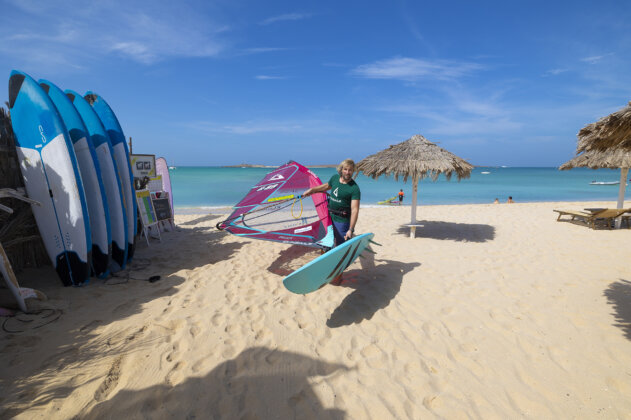
- Dennis Müller
PLANET ALLSPORTS STATION,
https://www.planetallsports.com/de/destinationen/boavista-kapverden/.
Sail areas from 3.7 square metres to 8.5 sails and freewave boards from 85 to 115 litres and freeride boards from 105 to 145 litres are available. The range is rounded off with surfboards and wingfoil equipment. The centre offers windsurfing, wingfoil and surfing courses.
WINDCLUB,
The centre also offers windsurfing. Tip: The terrace of the Windclub bar is a great place to end the day with a drink together with like-minded water sports enthusiasts. You can admire the sunset and the skimboard action of the locals.
Behind the wind club is a large sand dune. At low tide you can walk along the beach and at high tide you can walk along the dune to reach the more southerly stations. In front of the sand dune is a good SUP and surfing area with generally moderate waves in the wind cover.
KITE ZONE BUBISTA, Praia Carlota beach begins immediately after the large dune. There is the Agua Beach Club with the Kitezone Bubista kite centre. As in the other beach restaurants mentioned above, Agua Beach has sun loungers for relaxing on. Please note that this centre does not offer windsurfing.
WINDSPORTS CENTER, https://windsportscenter.com/lessons/
DUOTONE PRO CENTER, https://www.dpc-boavista.com/. Please note that this centre does not offer windsurfing.
KITE KRIOL, https://www.kitekriol.com/. Please note that this centre does not offer windsurfing either.
TOUR OPERATOR:
https://www.planetallsports.com/de/destinationen/boavista-kapverden/
https://www.sunandfun.com/surfen/Orte/Boa-Vista/
https://www.surf-action.com/windsurfspots/kapverden/boavista/
-
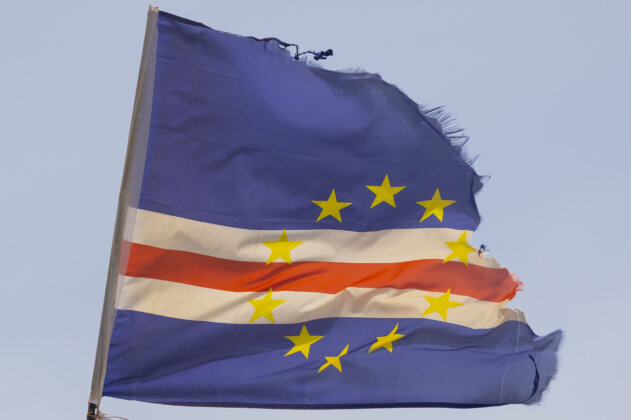
- Flying the flag
SAFETY ON BOA VISTA:
We felt safe on the island at all times. There was no perceptible crime and two policemen were constantly to be found at all possible points, they also liked to drive through the sand dunes on their quad bikes (see pictures) and enjoyed taking breaks under a shady tree directly in front of our accommodation, the Ca Nicola.
CAR HIRE:
For all those who not only want to windsurf in the large bay of Sal Rei and south of it, but also want to explore Boa Vista for spots themselves, cars can easily be hired. We recommend 4×4 pick-ups so that you can get around without getting stuck. The costs are around 70-80 euros/day.
RESTAURANTS:
The culinary offer is not large, but nevertheless varied and very good. If you like fresh fish and seafood, you’re in good hands here. You can also get pizzas, meat and pasta.
Our favourites are the centrally located restaurants Sodade, Bowlavista and Té Manché (fish!) in Sal Rei. If you’re hungry during the day, we recommend the Toca da Garoupa next to Planet Station, which is run by an Italian woman.
EVENING PROGRAM
Cape Verdeans love to dance and party. Music is always playing somewhere and is part of everyday life. Boa Vista is not a party island and yet there is always somewhere to party in Sal Rei.
CLIMATE
The tropical, dry climate, which is determined by the north-east trade winds, has around 350 days of sunshine a year. In the winter months, the daytime temperature is around 23-25 degrees and the water is 21 degrees. Even in the coolest months of January and February (like winter here), temperatures rarely fall below 18 degrees Celsius at night. We recommend a 3/2 suit for the months of November and December (either as a shorty or with long arms and legs) and a 4/3 suit for the months of January to April.
WAVE
The best waves are from December to February. The swell frequency decreases in March and especially in April. The prevailing swell direction in winter, which works all along the west coast, is north-west. If a north-east swell comes in, the waves run along the east coast. If the swell direction, period and height are right, world-class waves break on Boa Vista.
MONEY, COSTS!!
The prices in simple restaurants and guesthouses are quite favourable. However, everyday products are not, almost everything has to be imported. The local currency is the Cape Verdean escudo (CVE). The exchange rate is 1 euro = 100 CVE and you can also pay everywhere(!) with euros. Employees in restaurants, food and clothing shops earn around 250 euros a month.”