
JAEGER STONE: LIFE AFTER THE PODIUM
From world-class wave rider to firefighter and father, Jaeger Stone reflects on a competitive windsurfing career cut short and a life reshaped by injury and COVID.
At his peak, the West Australian was one of the most dangerous competition sailors on the PWA / WWT World Tour…fast, powerful and especially lethal in the wave riding department. His highest ranking was 3rd in the world in 2015, and winning the Red Bull Storm Chase and Tenerife in 2019 confirmed his place among the sport’s elite. He might well have gone on to win the title that year, but his campaign was cut short by an injury immediately after Sylt and he missed out on the final event in Maui.
When injury and the global shutdown brought his competitive career to an abrupt end, Stone chose not to chase an uncertain return. Instead, he stepped away from the tour, found balance at home and redefined what windsurfing and progression mean to him today. We caught up with Jaeger for this candid interview where he opens up about leaving the tour without a farewell, finding purpose beyond competition and developing boards with Severne and his father.
Photos: John Carter // Click on any photo to enlarge and scroll!
-
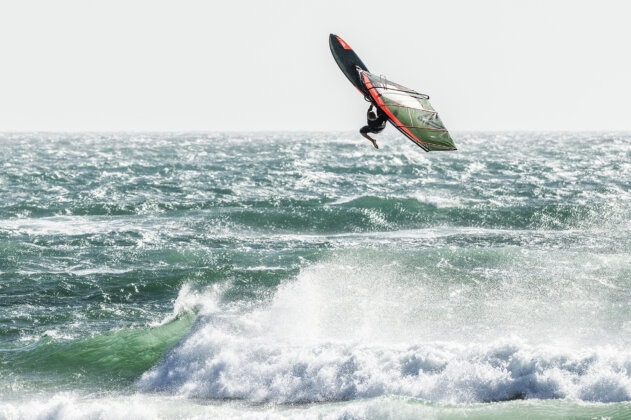
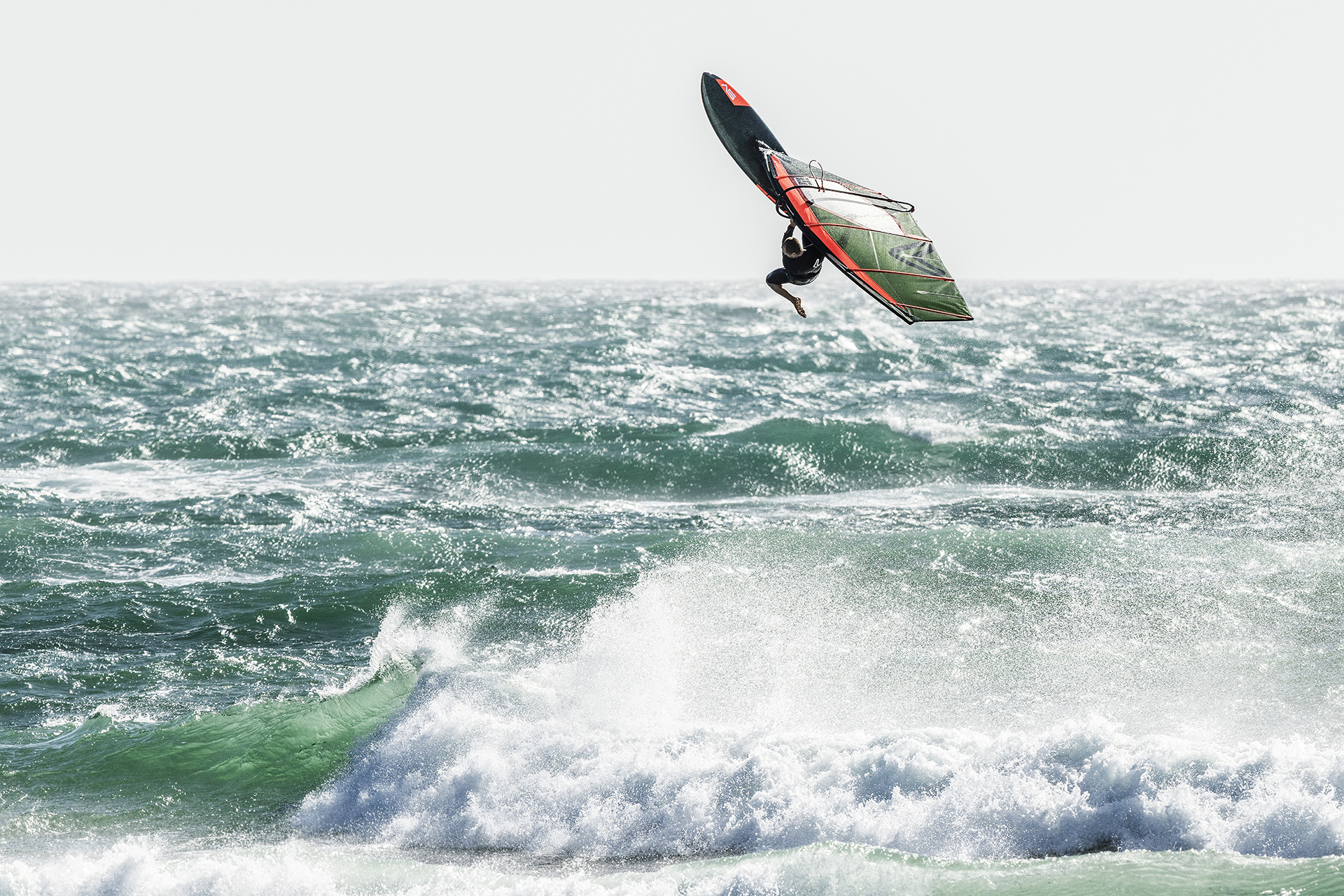
- Jager Stone at home in Geraldton WA
WINDSURF: Congratulations on winning in Margaret River how did it feel to win the first 4 star event of the season in Australia?
JAEGER STONE: “It was amazing to win this year’s event, especially given that everyone here was pushing themselves so much. Margaret River is an intimidating wave, but I didn’t really feel like anyone was holding back and that motivated me as well. Typical of Margaret River, the wind was up and down but overall the conditions were ideal and there were plenty of moments throughout the day that allowed for some pretty good windsurfing. I’ve put in a lot of time sailing here but it’s a wave where anything can happen and it can be so challenging to ride well, even without the constraints of competition. To sail consistently and to find at least one wave that I was really happy with in each heat was a good feeling.”
WINDSURF: What was your plan in the final?
JAEGER STONE: “My initial plan was to try to select the best waves and ride them as they allowed. My first 2 waves in the final felt pretty good, especially my second wave. After that I just wanted to try to get the biggest wave I could to continue building, but unfortunately that didn’t happen and I was either out of sync with the sets or they just fizzled out. Realising it wasn’t going to happen, I went back to my original approach and got another decent wave towards the end of the heat.”
-
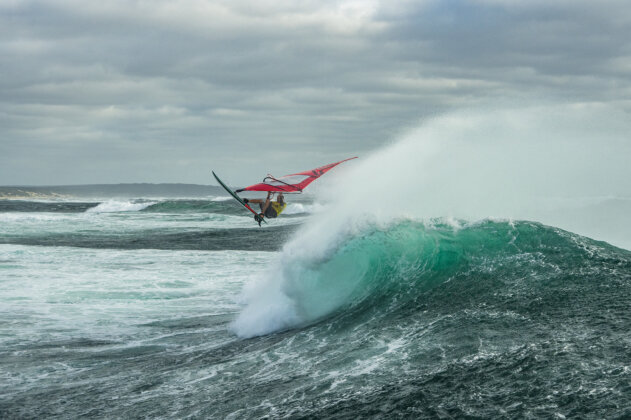
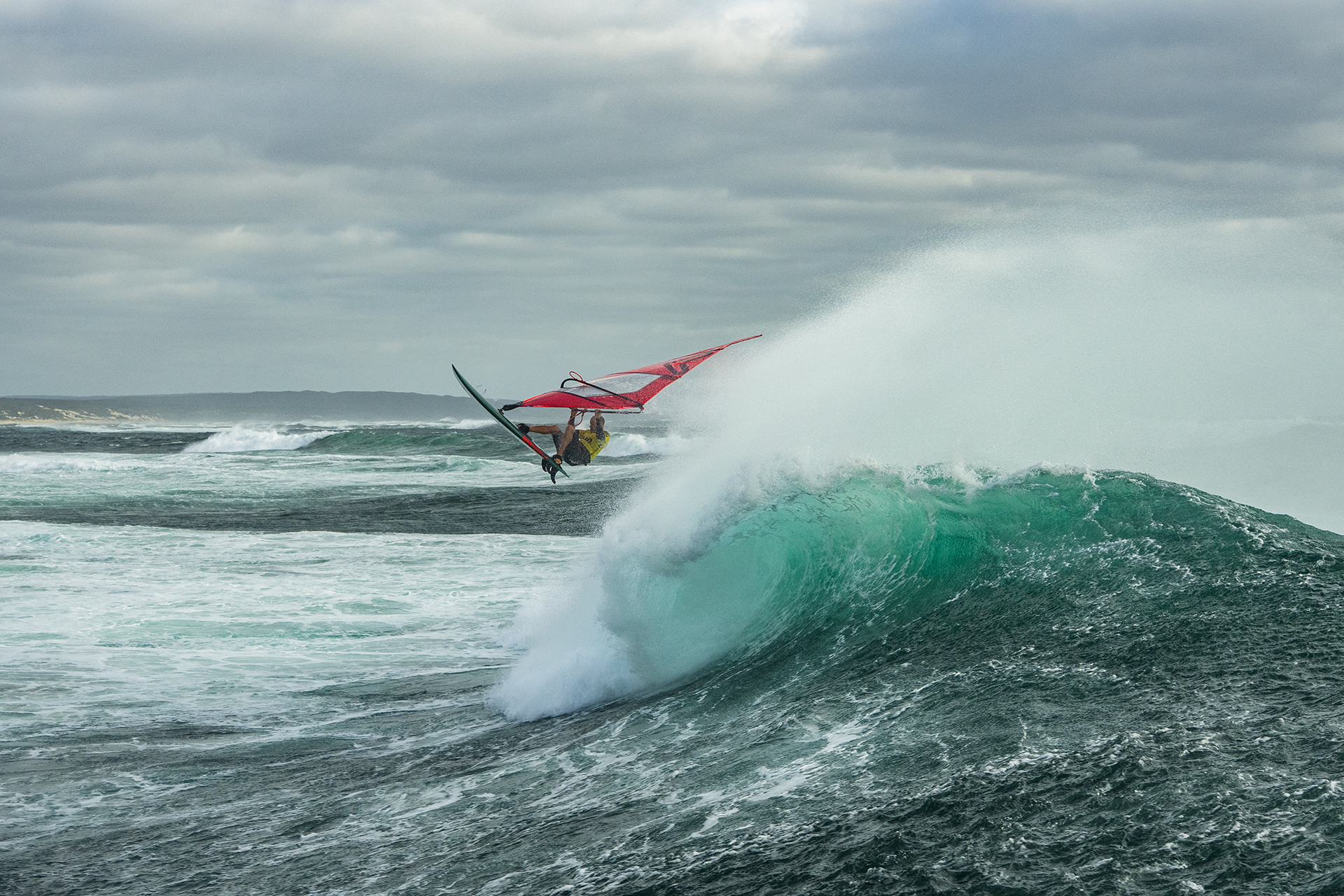
- Jaeger flying high at Margaret River
WINDSURF: Did the result make up for last year’s disappointment?
JAEGER STONE: “I like to do these events to support Severne, the organisers, and windsurfing in WA. It’s nice to win but it doesn’t really matter whether I do or not and I think if most people lose fairly they’re happy to accept that. I think it’s really important that 4 and 5 star events maintain a high standard to encourage the best windsurfers in the world to attend them, to promote our sport in the best possible way, and to hold credibility. It was disappointing that last year an obvious mistake was made and I lost an opportunity because of it, but I feel like because of that, standards were lifted this year. Judging mistakes are always going to be made, but it’s important that when you’re competing for a World Title and spending a significant amount of money to attend these events, that the mistakes are infrequent and not too costly for those involved.”
-
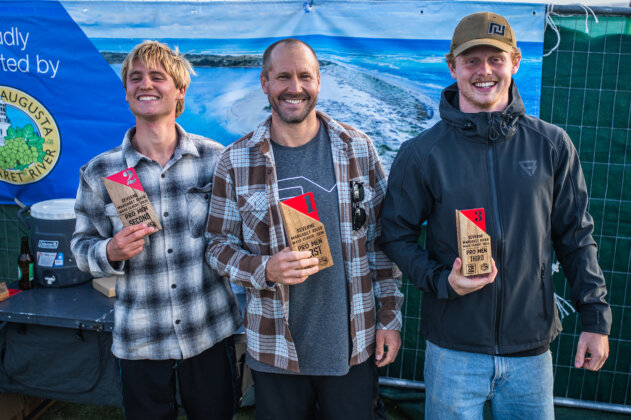
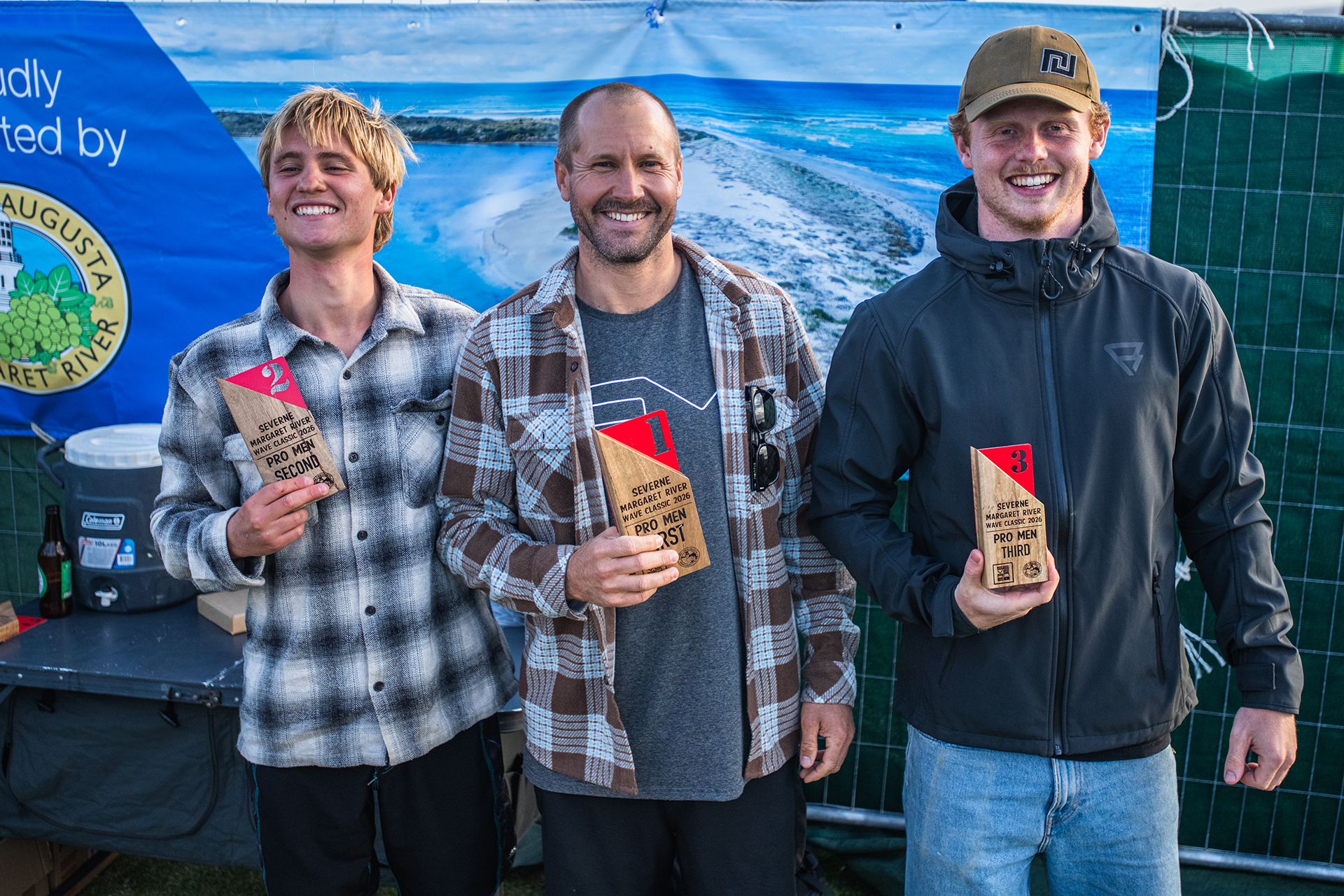
- Jaeger wins at Margaret River with Jake in second
WINDSURF: What is it like to have the young guns like Jake Ghiretti coming through and making it through to the finals?
JAEGER STONE: “Yeah, Jake is really confident at his home break and although I didn’t pay too much attention to what he was doing while I was sailing against him (because I was focusing on my own sailing), he didn’t seem to be holding back and that was obviously rewarded. He is easily one of the most committed windsurfers out at Main Break now and he is pushing me more and more each season.
He’s young, keen, and passionate about windsurfing so it’s good fun when he’s out there. He probably found the cleanest wave of the event in his semi-final and got the photo of the event in the Juniors. Philip, Takuma and Julian are all amazing windsurfers that have won, or could win this contest, but it can be a difficult place to sail at times and unfortunately for Julian and Philip they broke gear at critical times as well. It’s all a part of it, and of course they want to win but they’re also just out there having fun so they’ll be happy for Jake too!”
-
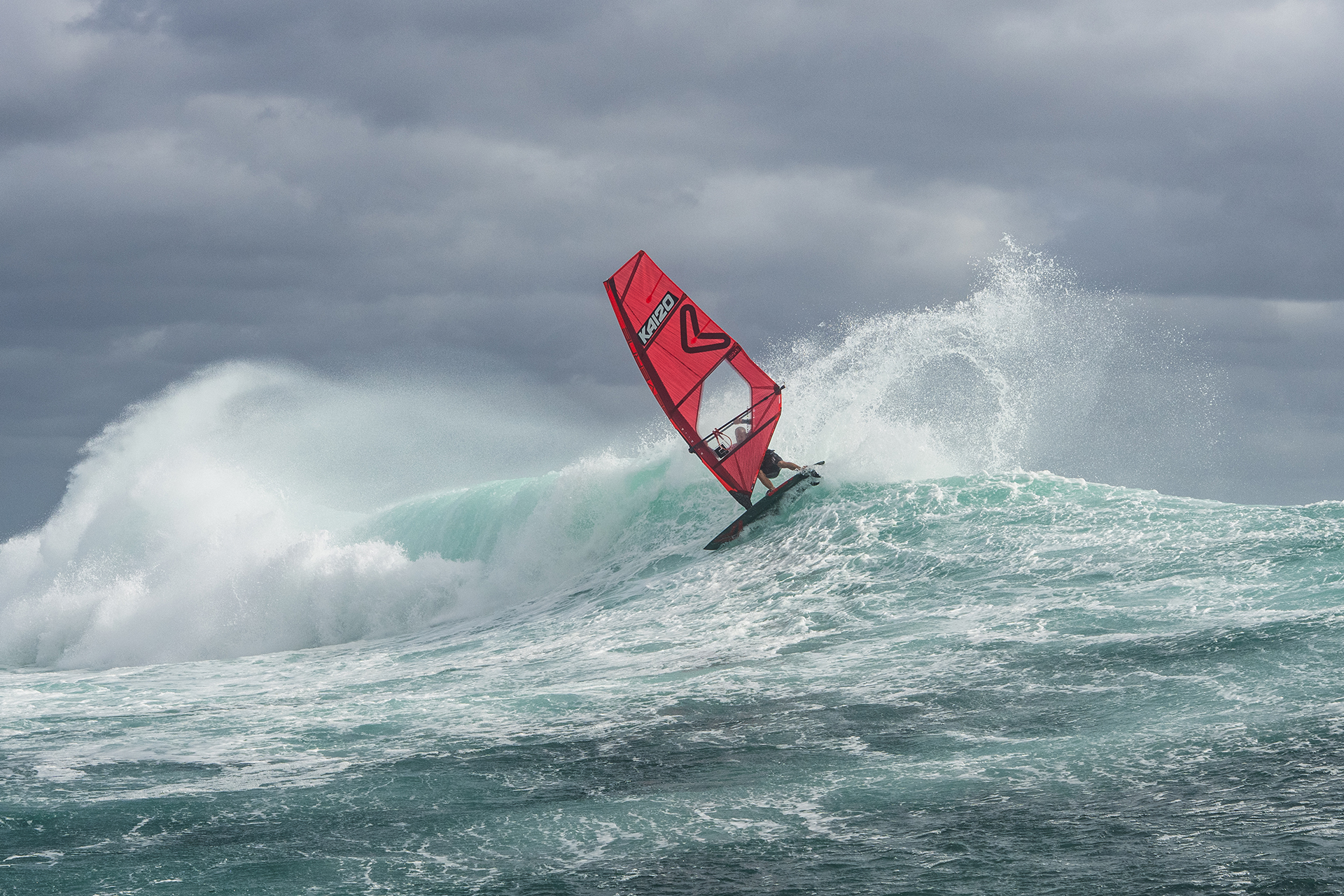
- Jaeger Style
WINDSURF: How was the atmosphere at the event?
JAEGER STONE: “As I alluded to in the question above, the event is quite relaxed and the feeling amongst all the windsurfers here is that it’s fun to be a part of. Everyone is pretty happy to be sailing together in such a beautiful location. I think the difference this year compared to the last couple was that the level of commitment from the majority of the fleet was higher and that lifted the excitement on the water and morale on land. Ivan’s pizzas always bring everyone together after sailing and spending the evenings down at the point with everyone is pretty cool.”
WINDSURF MAGAZINE: What was the reason you gave up competing on the PWA and WWT tour?
JAEGER STONE: “Yeah, so 2019 was my last year on tour. At the end of 2019 I had a bad knee injury. I competed in Sylt, then came home for a week before Hawaii. The first day I got home, I got off the plane and went sailing at Hell’s Gates out at Point Moore in Geraldton and injured my knee quite badly. I was out of the water for about four months with that injury.
-
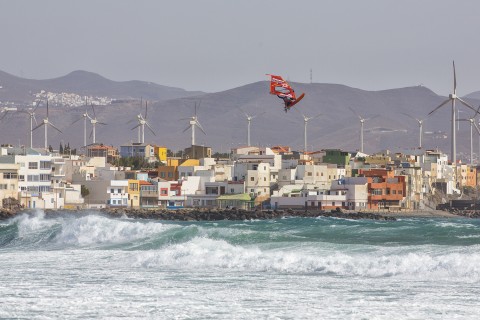
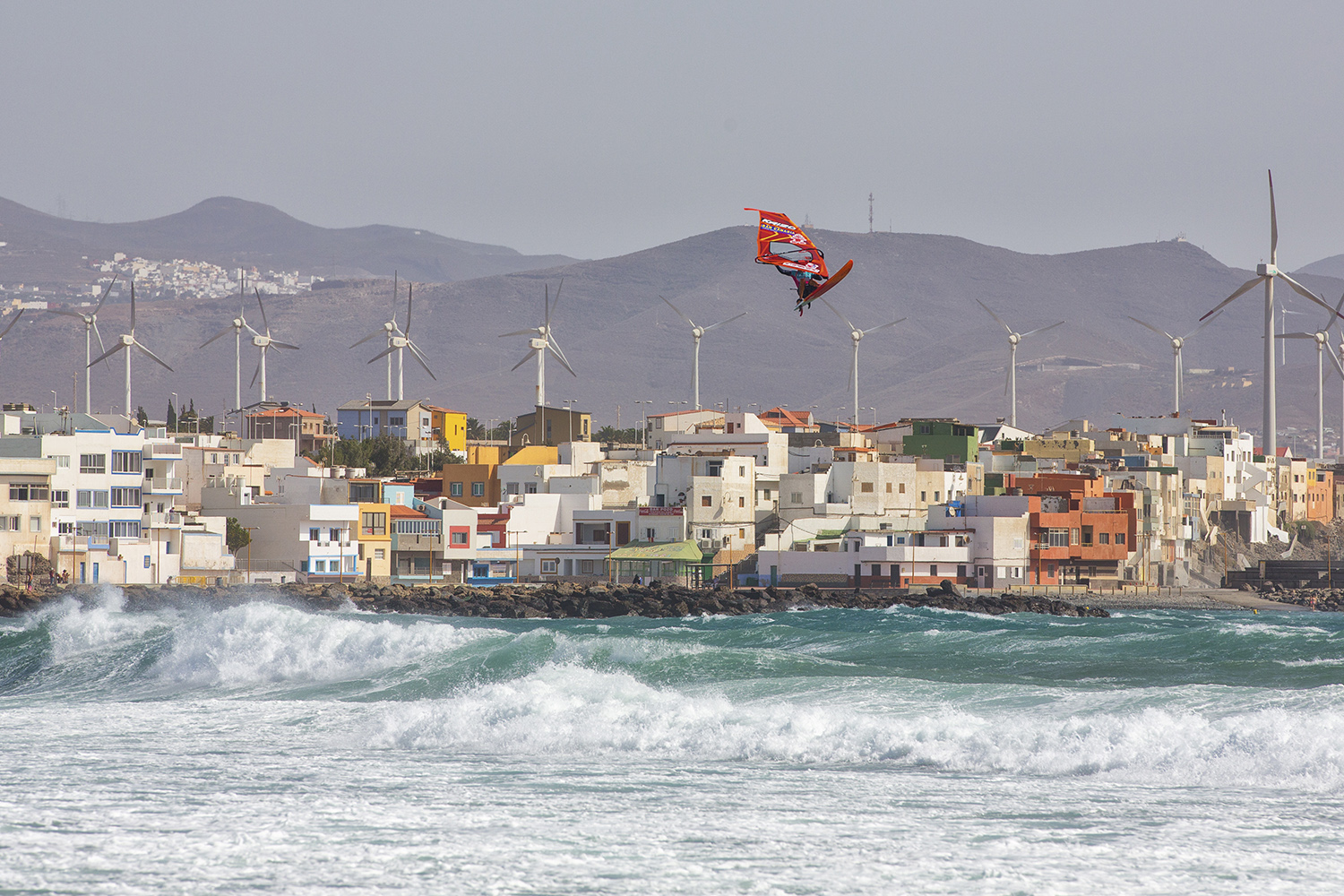
- Jaeger flying high in Pozo
I got back to full fitness and then COVID started kicking off. It was around March and the day I was due to fly out to Maui, borders started closing within Australia and WA. I decided to delay my flight and from that point on, windsurfing contracts basically got cut in half pretty quickly. There was no real certainty about 2020 going ahead.
-
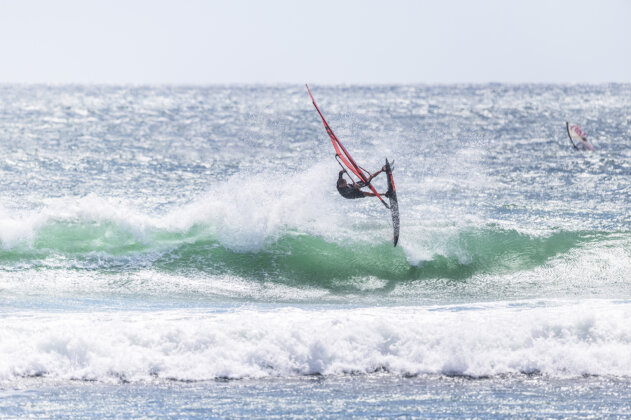
- Jaeger Stone: At the Spot
CHANGE OF DIRECTION
I got back into Physiotherapy a bit, met my partner Chelsea and really enjoyed being at home and doing other things for a while. I realised physiotherapy wasn’t what I wanted to do long term and I gave the firefighter recruitment process a go. I knew people in the fire service…one of my good friends, Mathias, is in the WA Fire Service and had recommended it for quite some time.
My recruitment application was delayed because as soon as I began the process I dropped a fishing knife on my foot, severing a tendon and requiring surgery. Meaning I couldn’t do much for at least another three – four months, which was another windsurfing delay as well. However, I was lucky enough to get accepted into the fire service in early 2021 and I felt like that was an opportunity I couldn’t turn down, especially with the uncertainty continuing around sponsorships and the world tour.
I soon realised I didn’t really miss competing that much. I felt like I was ready to transition into the next stage of life and it was nice to feel like I had a sense of control over that.”
-
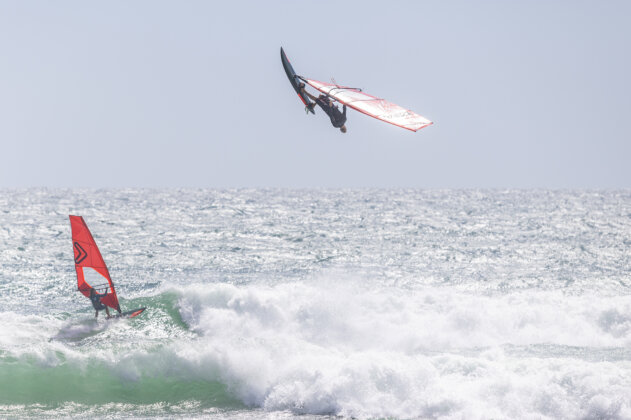
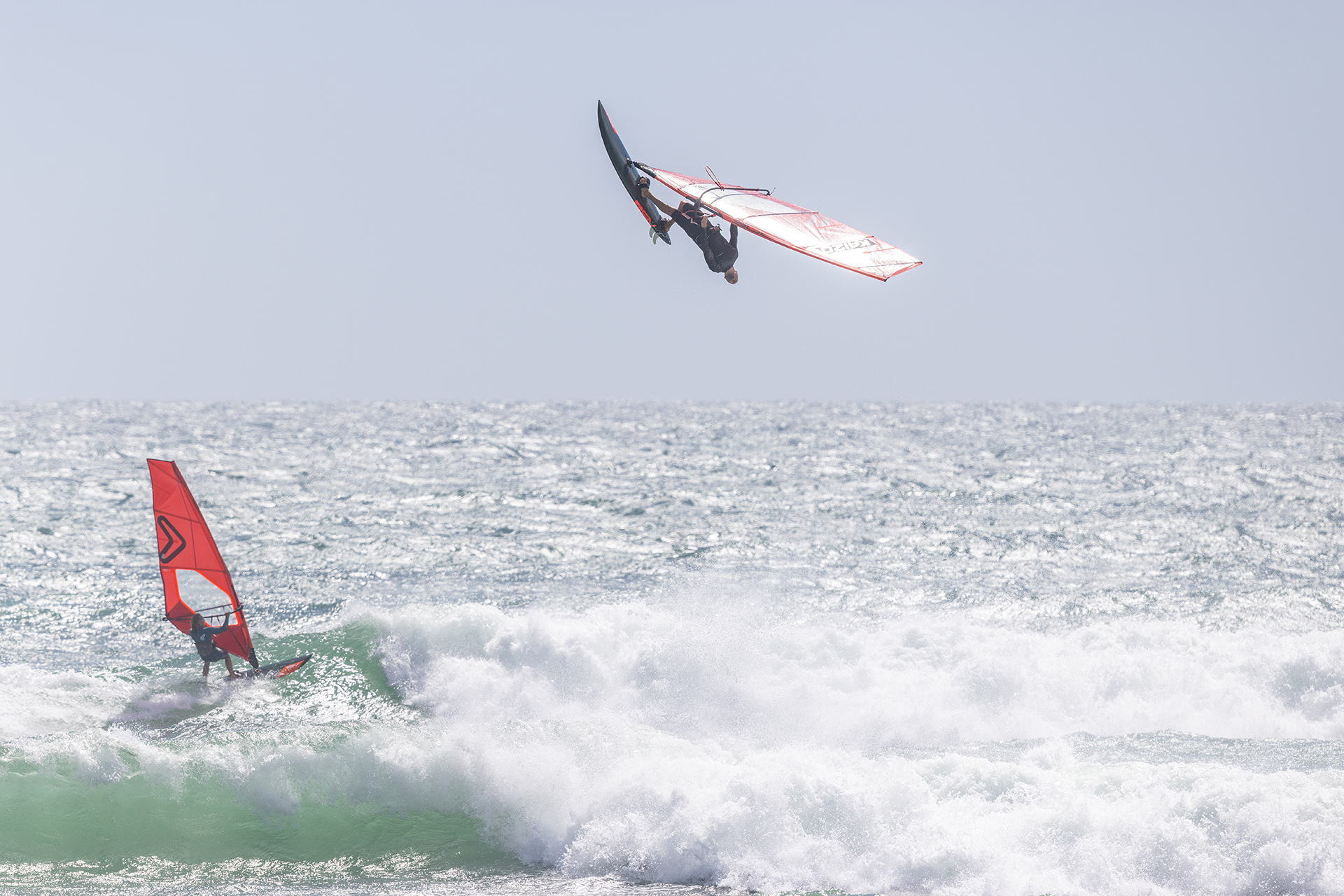
- Jaeger Stone flying high
A NEW CAREER, A BETTER BALANCE
WINDSURF: So, you’re now a firefighter…how do you enjoy that?
JAEGER STONE: “Yeah, it is an amazing job! It provides such a great work-life balance. I find it so interesting because it’s not just firefighting, there are so many different areas of the job you can learn about. As well, being a firefighter encourages you to stay active and I get plenty of time off to continue windsurfing and to spend time with my family.
There’s also financial security. I almost feel like I have the lifestyle I had on tour, but without the financial stress and without the constant dedication to competition. If you’re trying to win a world title, you really need to dedicate most of your year to it. I was spending six or seven months overseas, usually by myself, and I was so lucky to do that for the time that I did, but I think I was just ready to do something else.”
-
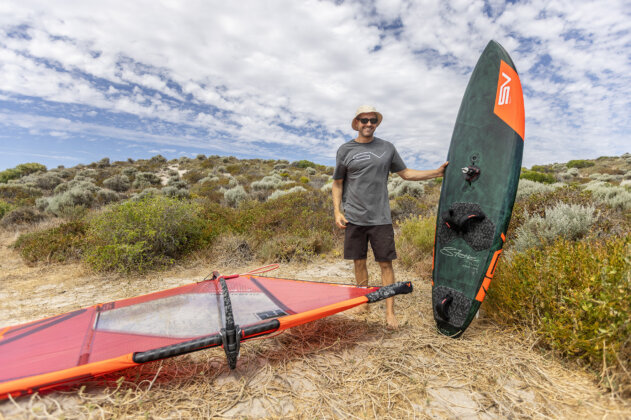
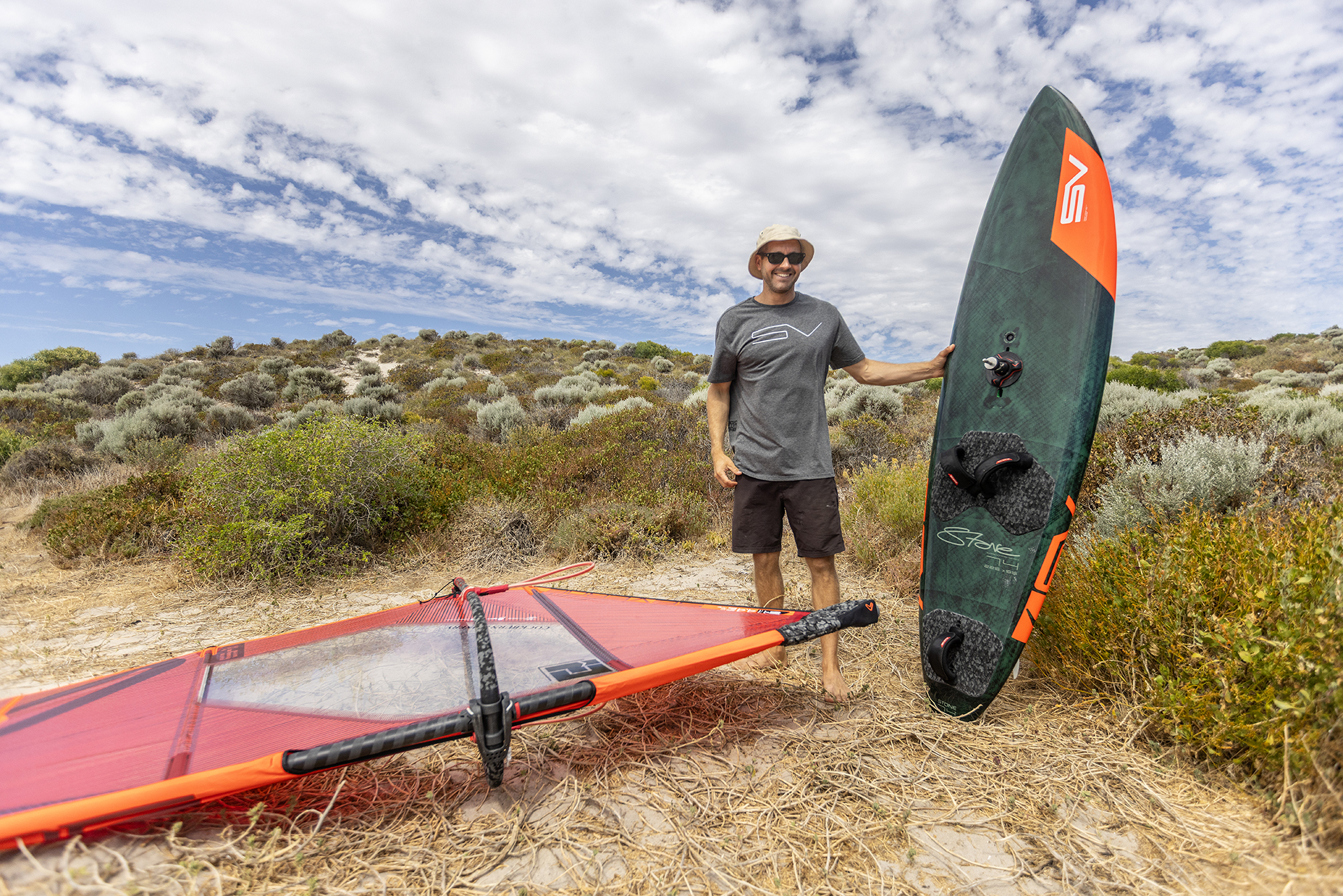
- Jaeger with the new Severne Stone Board
LEAVING THE PRESSURE BEHIND
WINDSURF: Do you miss the tour?
JAEGER STONE: “No, I don’t miss the tour. There are some competitions that pop up, like Fiji and Chile that look exciting and fun and hopefully I’ll get the chance to go to those, but I don’t miss dedicating an entire year to focus on competitive windsurfing. I would say that I do miss the complete freedom to travel whenever I wanted, but I’m looking forward to travelling for different reasons now.
I like the balance I have…being challenged outside of windsurfing with my work and spending time with family and friends at home. It’s a different stage of life.”
-
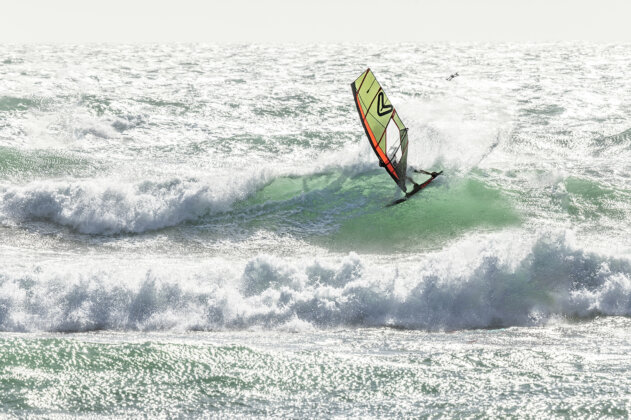
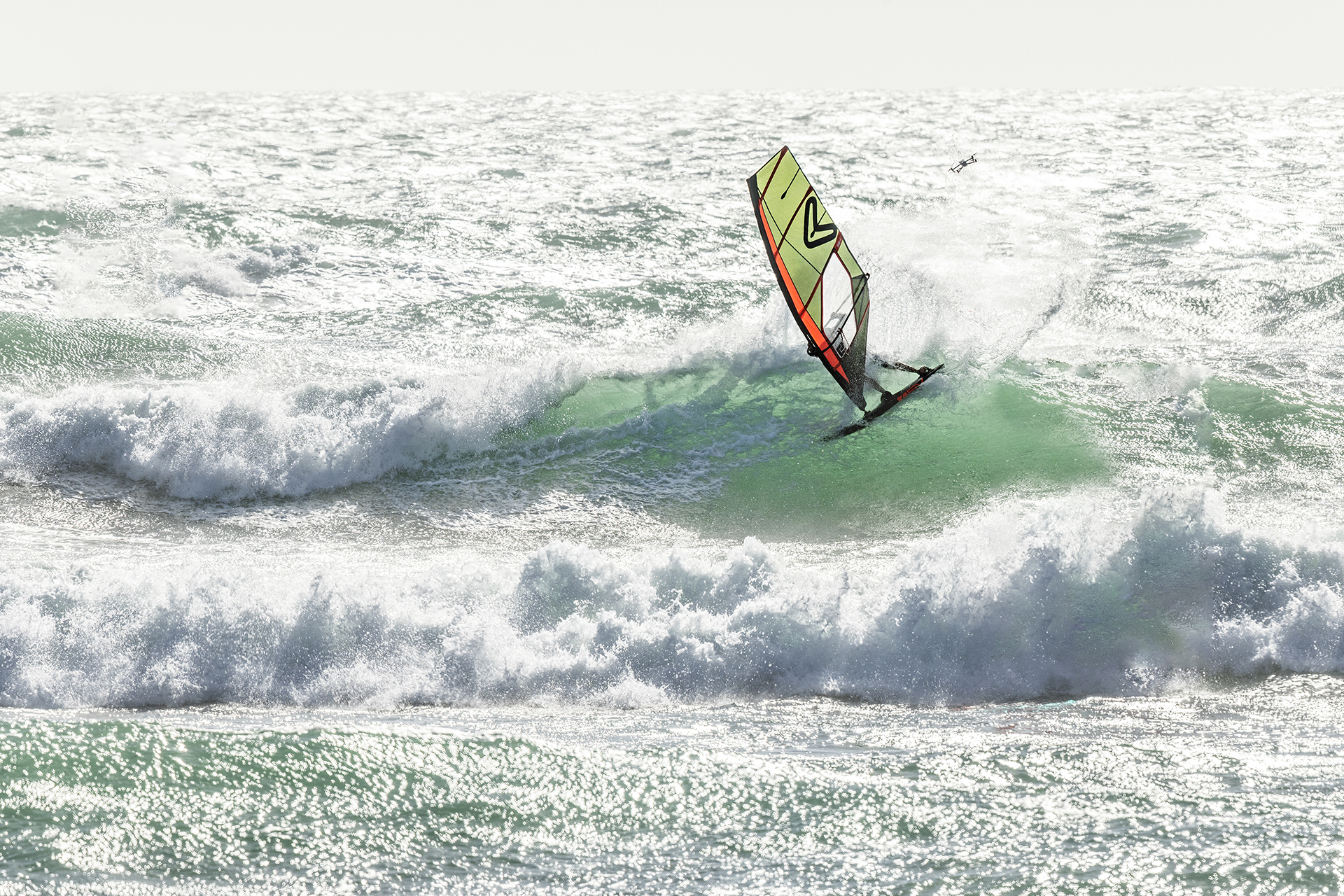
- Jaeger Stone tweaked!
WINDSURF: So, what’s windsurfing mean to you now?
JAEGER STONE: “I still challenge and push myself because I want to progress, but more so for enjoyment. My focus has shifted more toward wave riding. I’m not jumping anywhere near as much as I used to. You can go out and flog yourself doing push forwards and doubles every day, but your body pulls up pretty sore. I still have to think about going to work so I don’t do that too often now and just pick and choose my days. I love trying to jump high, and having dedicated jumping sessions, but wave riding is what I’m really passionate about.
Working with Severne and my Dad on boards and gear is fun. Filming as well. There’s something unique about WA…I am biased because I grew up here, but the coastline from south to north is incredible and being able to windsurf in so many different locations and conditions is pretty special.”
-
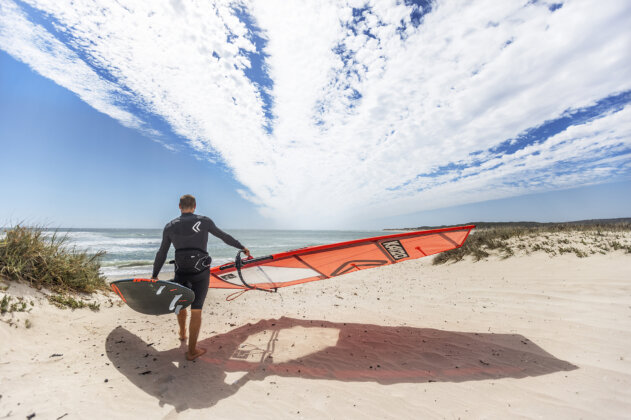
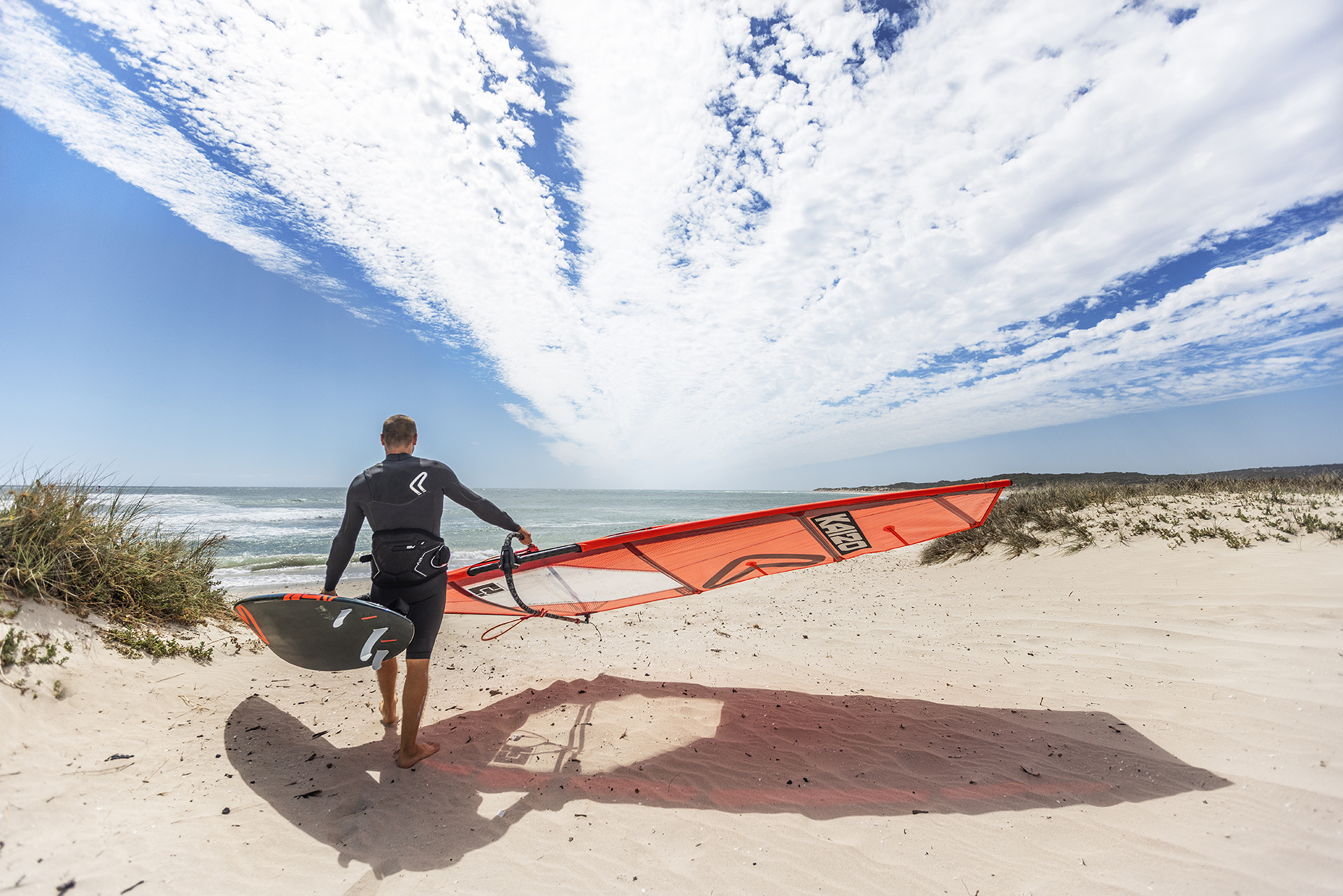
- Heading out in Western Australia
WINDSURF: So, you feel in your happy place for windsurfing?
JAEGER STONE: “Yeah, definitely. There’s so much variety and I’ve got a lot of good friends here who windsurf. We push each other, do fun trips, and there’s no pressure. It’s simple and easy.”
-
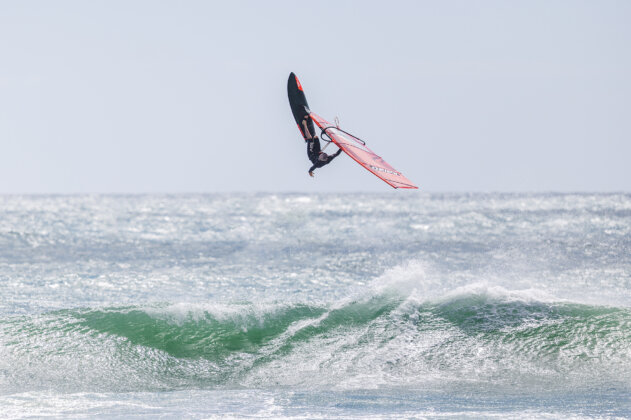
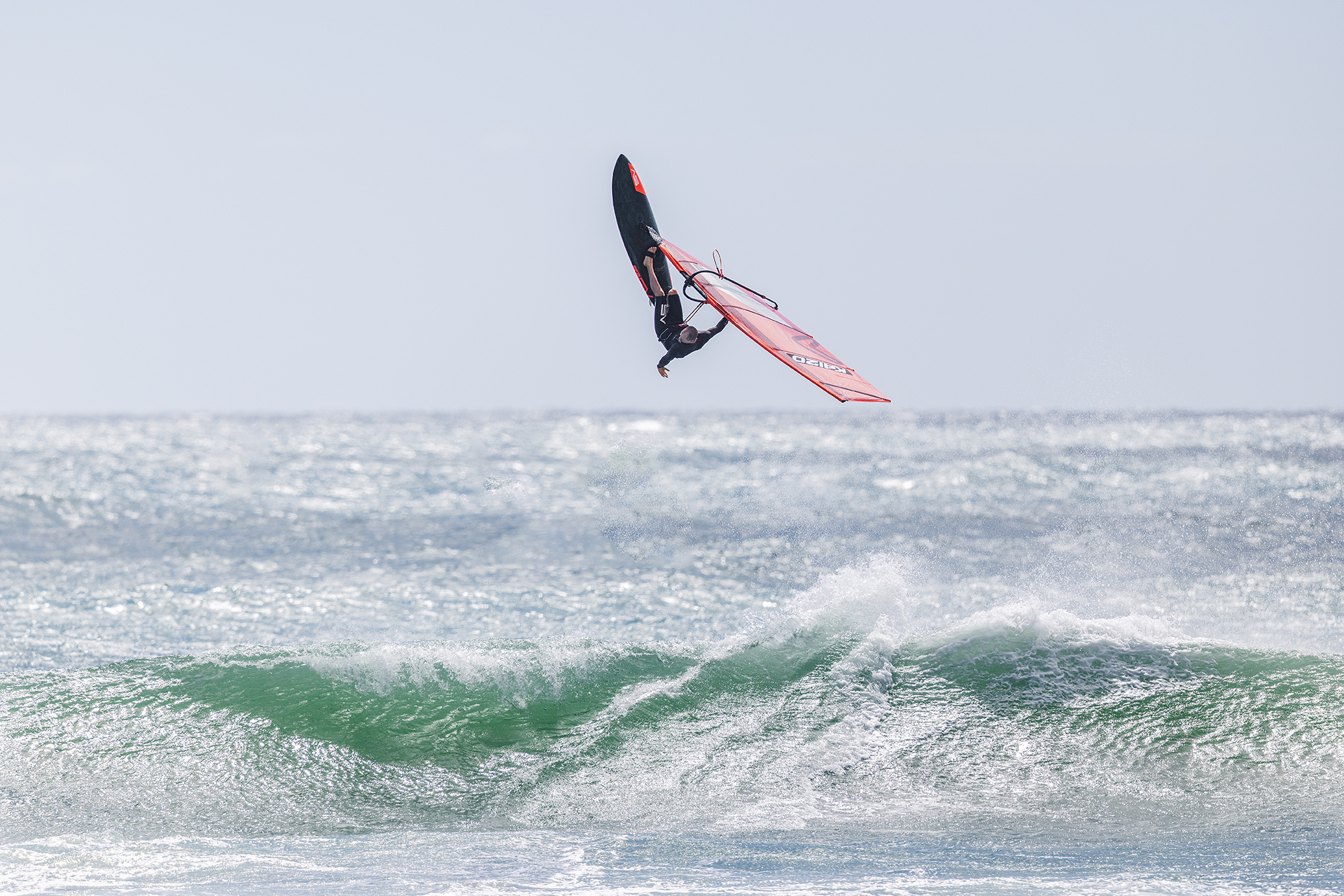
- One handed back loop
THE STONE WAVE BOARD PROJECT
WINDSURF: What about the new Severne Stone wave board…can you tell us about that?
JAEGER STONE: “Yeah, so a few years ago Severne were looking at modifying their wave range. The idea was floated to try an asymmetrical board and we worked on that for quite a while. It was fresh and exciting and gave new sensations, but it was a niche product and hard to get off the ground in the market. With production delays and testing taking too long, it all got drawn out.
Severne went back to the drawing board to refine the wave range further. Dad and I had been working on pintails for a while… we all grew up riding them. Severne didn’t have one in their wave range, so we were asked to help develop a more dedicated down-the-line wave board that riders like Ben, Phillip, Dieter, Lina and others would enjoy.
-
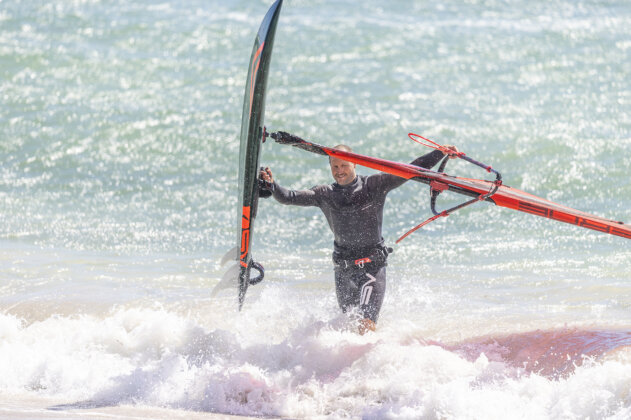
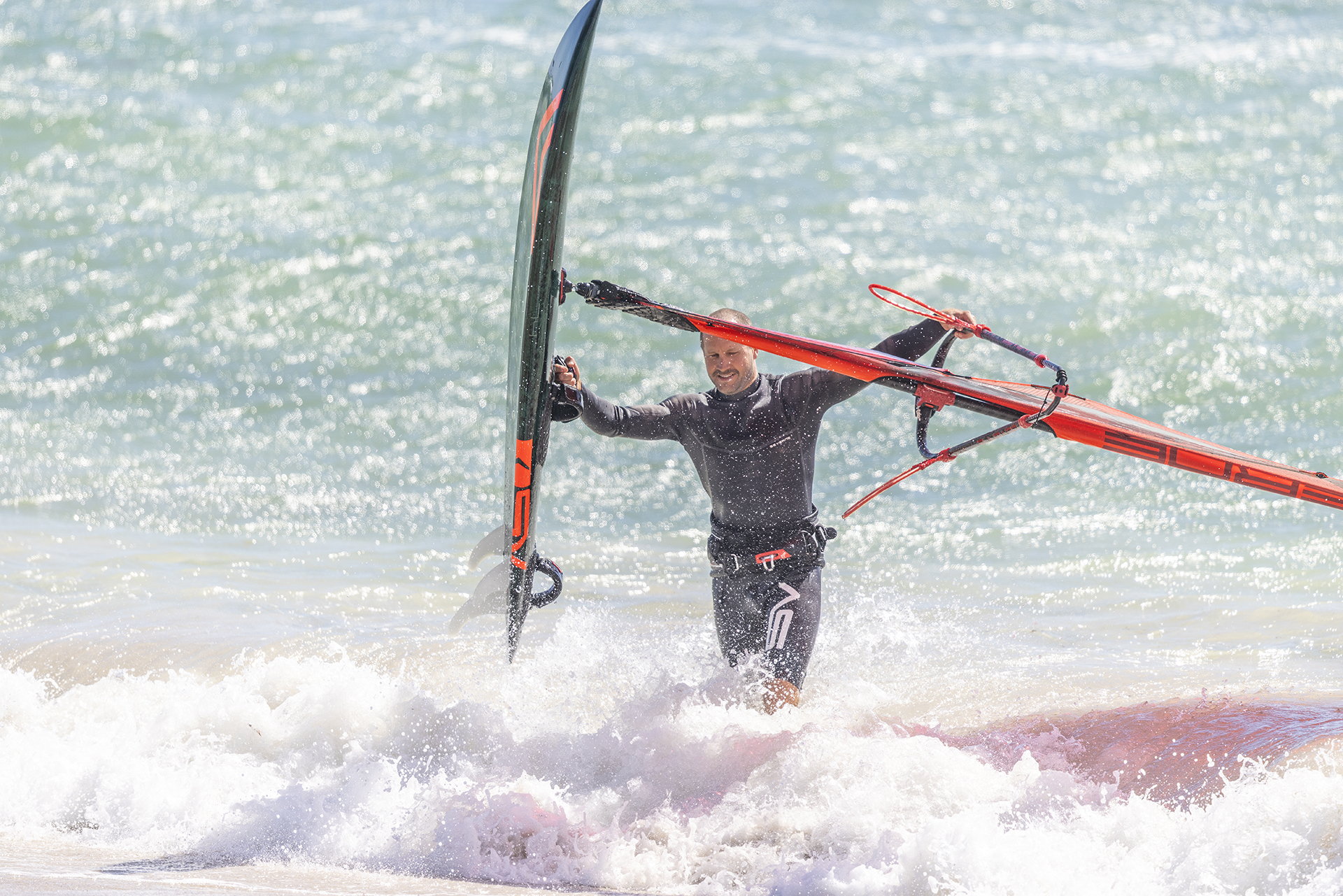
- Jaeger Stone
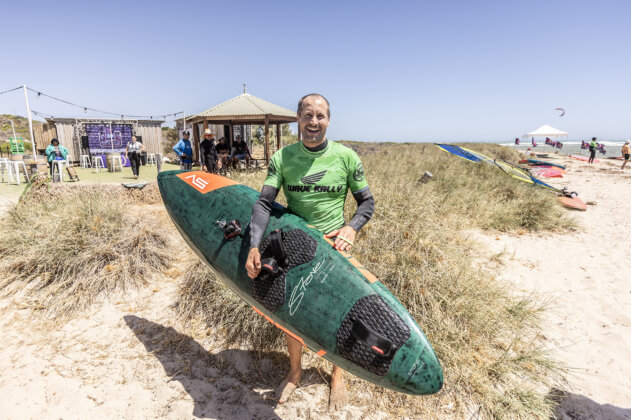
We’ve been working on it for about two years, and it’s been released for the 2026 season. The goal was to create a production board that I’d happily take anywhere, but especially on a forecast chasing the best wave sailing conditions. I don’t think there will ever be a one-board-fits-all solution but I believe versatility is important. I’ve grown up riding my dad’s boards since I was 11 years old…he’s been building boards for me for over 24 years and he’s actually allergic to epoxy, so his boards are constructed with polyester, a very different construction to the boards produced by Severne. I have and use a mix of boards; production and prototype boards from Severne and custom boards from my Dad, which are really just Severne prototypes as well. As I mentioned, Dad’s boards are polyester so that’s something that needs to be considered when I’m testing, but generally they’re a perfect master board or reference for us. My Dad and I do R&D, provide feedback and ideas to Severne, Severne produces further prototypes, I test those, and eventually the board ends up in production. It’s constant development to hopefully create a production board that people enjoy riding.
-
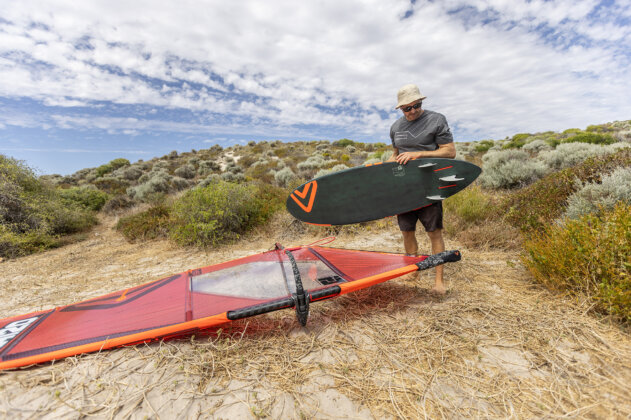
- Rigged and ready
I like the way Severne approach it. I have my wants and needs in a board and sometimes those are a bit extreme to incorporate into a production board. We test boards thoroughly. Myself, Dad, Ben, Dieter, Lina, Phillip, Iballa etc. all get an opportunity to test boards so feedback can be gathered. Then we look at the common elements everyone likes and what fits the design brief. Severne aims to build a board that ticks as many boxes as possible for that particular design and ideally pleases most of the windsurfers who buy them. We can add even more rocker, tail kick, or vee for example, but that can come at a cost to general sailing and ease of use, meaning that perhaps that board isn’t as appealing to the market. It’s always about balance and that’s what we’re consistently working on. I think we do that quite well, and it’s really enjoyable having all these different boards to test.”
-
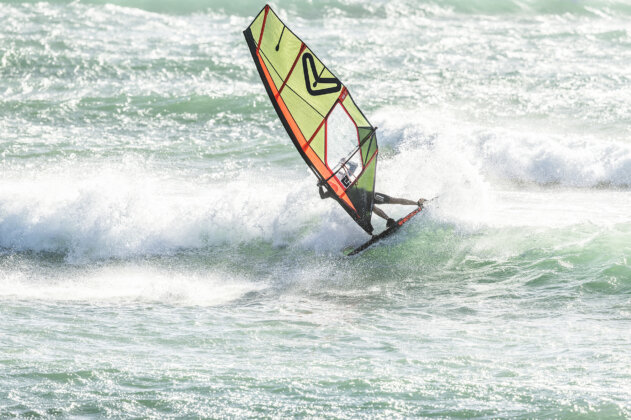
- Jaeger Stone
WINDSURF: Are you quite into the board design side of things?
JAEGER STONE: “I am…not as much as my Dad though. He lives and breathes it. I enjoy the windsurfing side and learning how subtle changes affect my sailing. Dad gets into the nitty-gritty details. I like understanding the equipment I’m riding and visualising how I want to windsurf, then trying to develop gear that helps me do that.
It’s great having all these resources…Dad, Severne, production boards, custom boards, prototypes…because you revisit things that worked or didn’t work years ago. It’s constant testing and learning.”
-
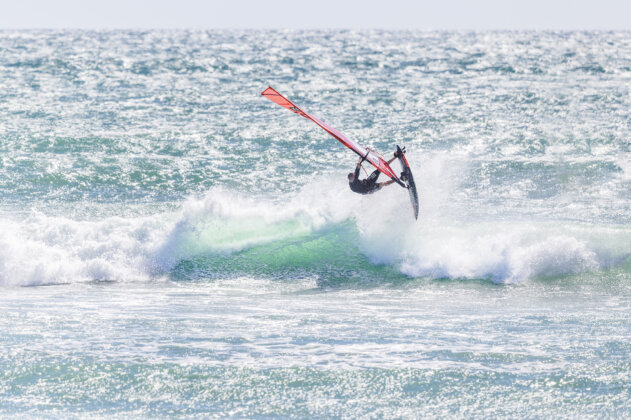
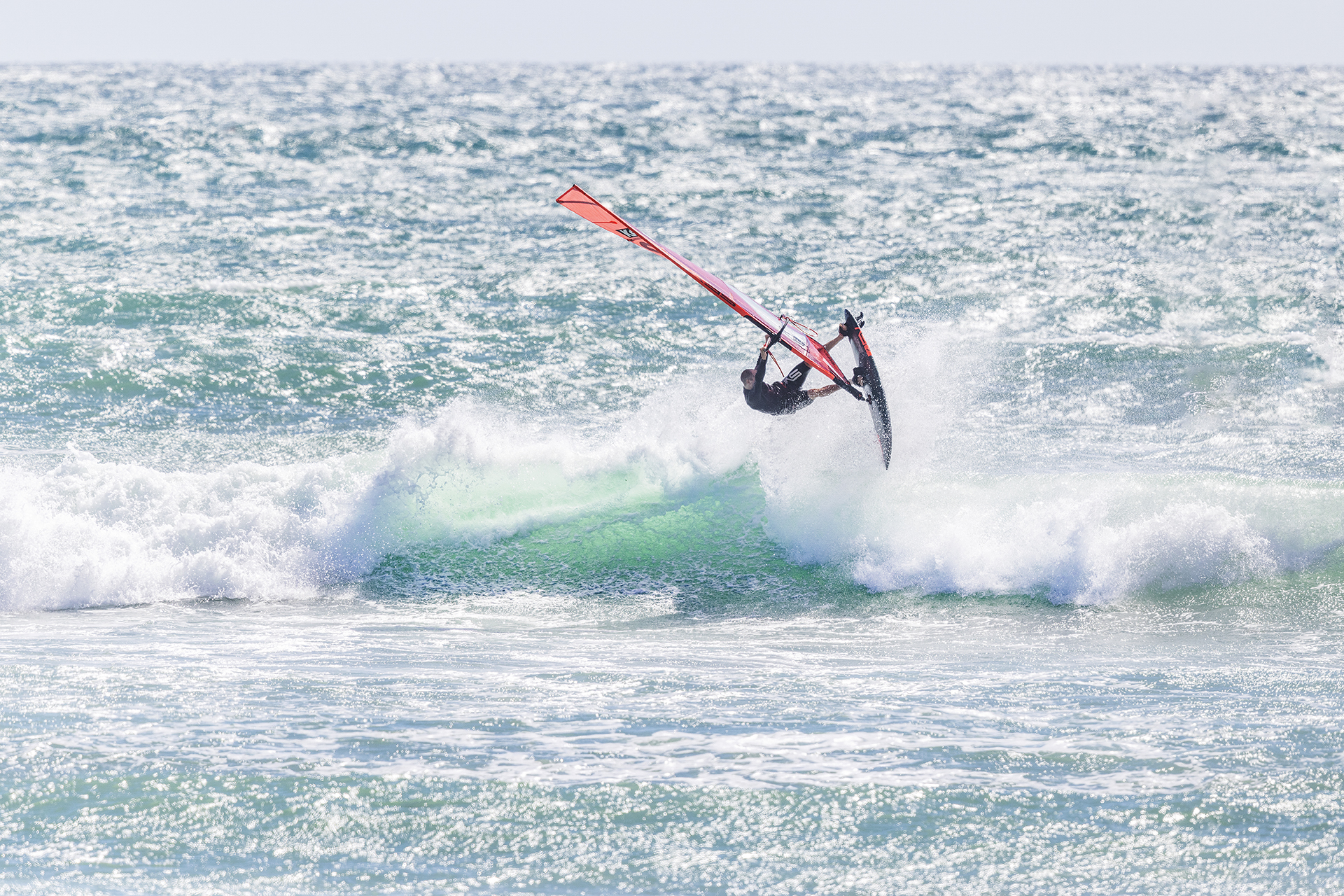
- Jaeger Stone tweaked air
WINDSURF: Do you enjoy working with Paul van Bellen? You’ve put out some amazing videos.
JAEGER STONE: “I do. Paul is an amazing drone pilot, and he is a very creative with editing. He’s very passionate about windsurfing and captures the WA windsurfing scene in an artistic way. I’ve been lucky that he’s been around the last couple of years and willing to film. Sometimes the drone is incredibly close and I’m aware of it, but mostly I just windsurf as I normally would. The footage he captures is amazing. In WA from about 1 p.m. onwards the glare is ridiculous, so filming from land is almost impossible until late afternoon. Drones are really useful for cutting out glare, and they’ve given us a new option to capture high quality footage.”
-
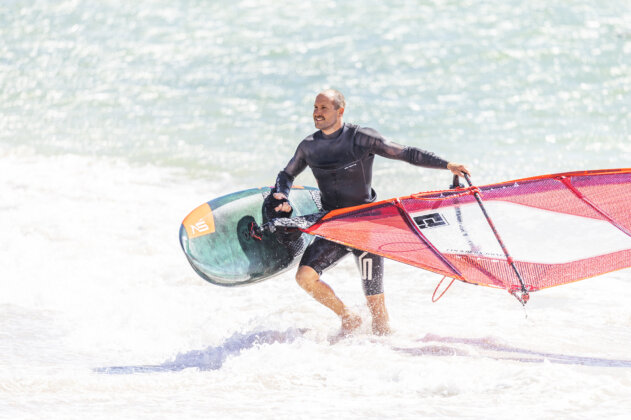
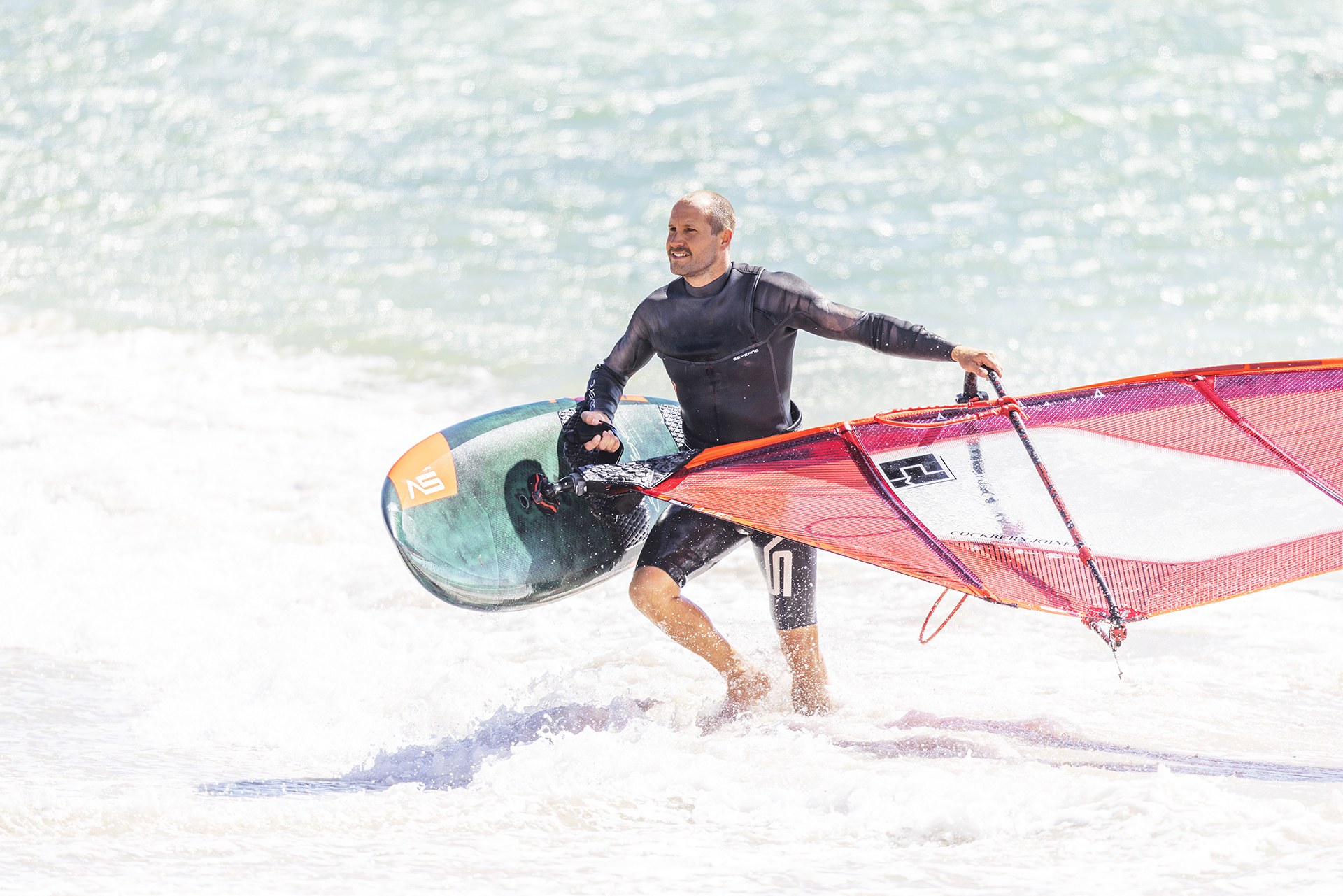
- Heading in
FATHERHOOD AND PRIORITIES
WINDSURF: What about becoming a father…how has that changed things?
JAEGER STONE: “Haha having kids definitely changes your life. We’ve got one…he’s about 14 months old now. I’m no expert but I feel like your priorities change completely. They demand a lot of time and attention, and I feel like my job is to give that to him and to support my partner as best as I can as well. I’m fortunate with my job; I get a lot of time off which means we spend so much time together as a family. I underestimated how challenging it can be at times, and I thought I was patient, but I’ve definitely got plenty to learn. I also realise now I’m probably quite selfish…so much of the time all I want to do is go windsurfing and surfing and I’m lucky to have a partner who is incredibly supportive of me still doing that so often. Overall, being a parent is really fun, and there are so many special moments, especially now as he’s interacting and learning so much.”
-
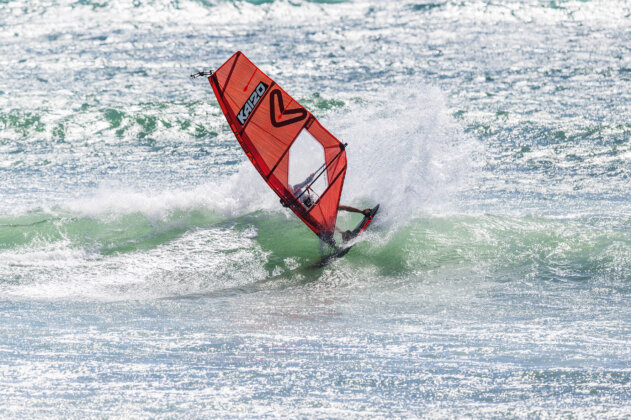
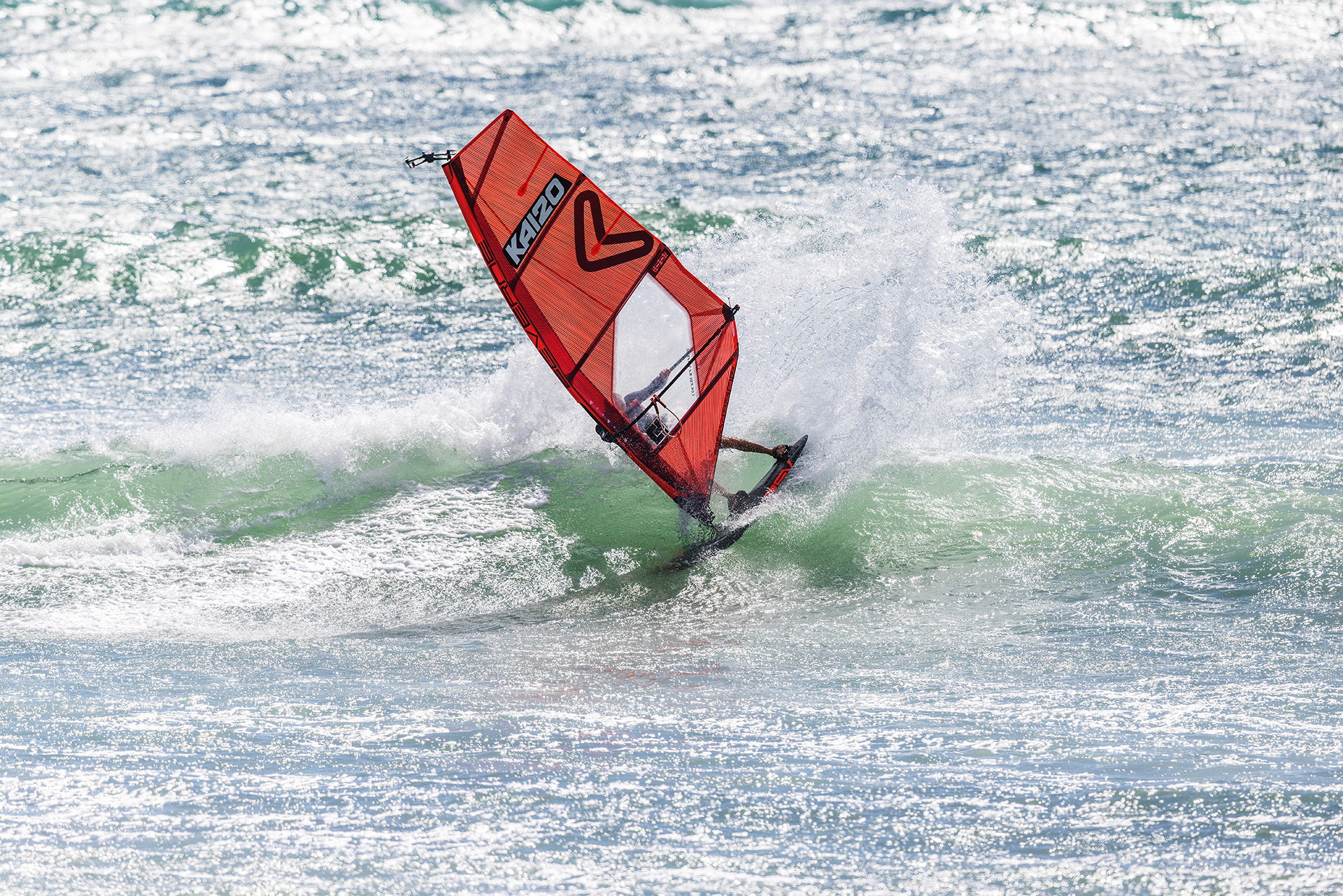
- Jaeger Stone style
WINDSURF: Does it feel strange that your tour career ended without a clear retirement moment?
JAEGER STONE: “A little bit, but that’s the way it is I guess. I chose to leave on my terms. The one thing I didn’t do…and would’ve loved to, was win a world title. I feel like the tour now probably suits me more than it did back then, and when I left, I felt like I was still approaching my peak. I felt like I could win any heat and if you can do that, you can win any contest.
But life changes and during COVID I reassessed my values. There was so much uncertainty and dedicating another full year to the tour…one bad event means another year…it was hard to justify. Financially, from Australia, it was expensive to travel for windsurfing and one of my dreams was to buy my own home. I have that now which would have been difficult to do while paying for a world tour campaign. Over time, the world title started to mean less to me. Growing up, I always dreamed of being world champion and I would’ve loved that, but it didn’t play out like that so that’s fine.”
-
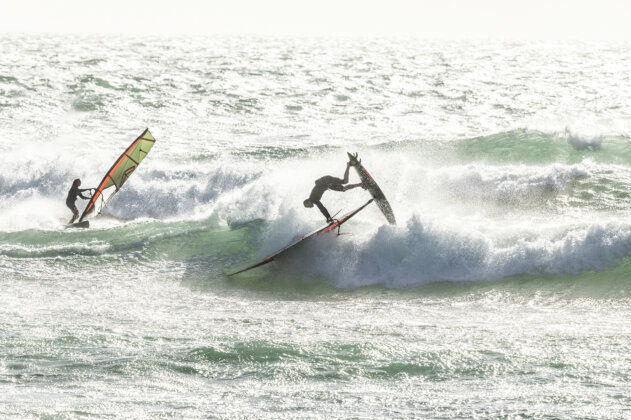
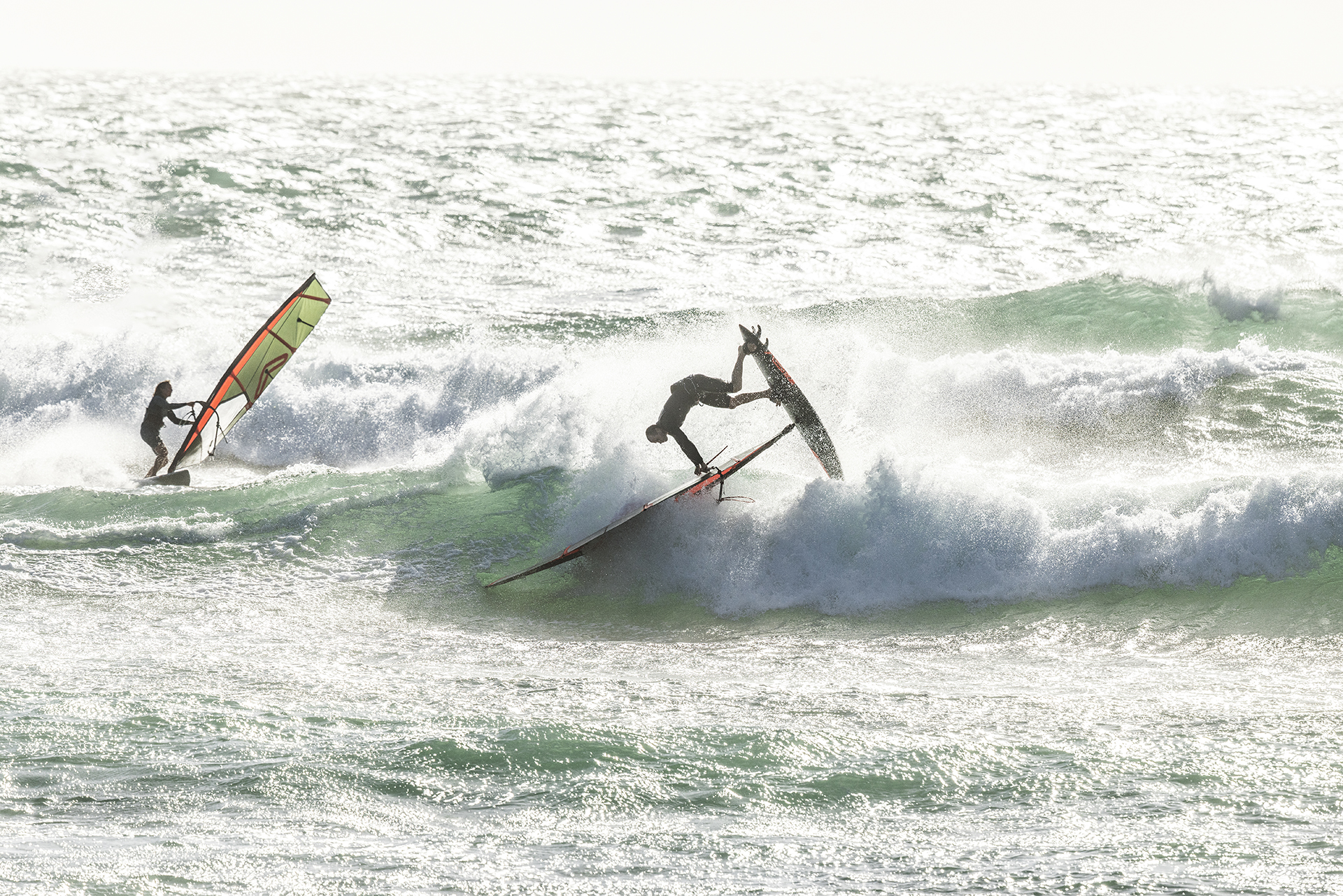
- Goiter at the Spot
STILL CONNECTED
WINDSURF: Do you keep in touch with the other guys from the PWA / WWT tour?
JAEGER STONE: “Yeah, casually. Phillip comes to WA a couple of times a season and we sail together. Julian has been here the last few seasons too. I keep in touch with a fair few of the guys like Marc, Ricardo, Graham etc…mostly through WhatsApp and social media. They were good friends on tour and they all continue to motivate me as well.
-
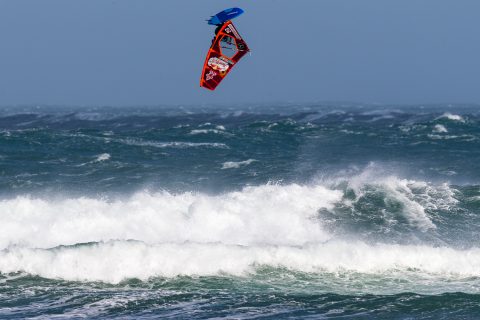
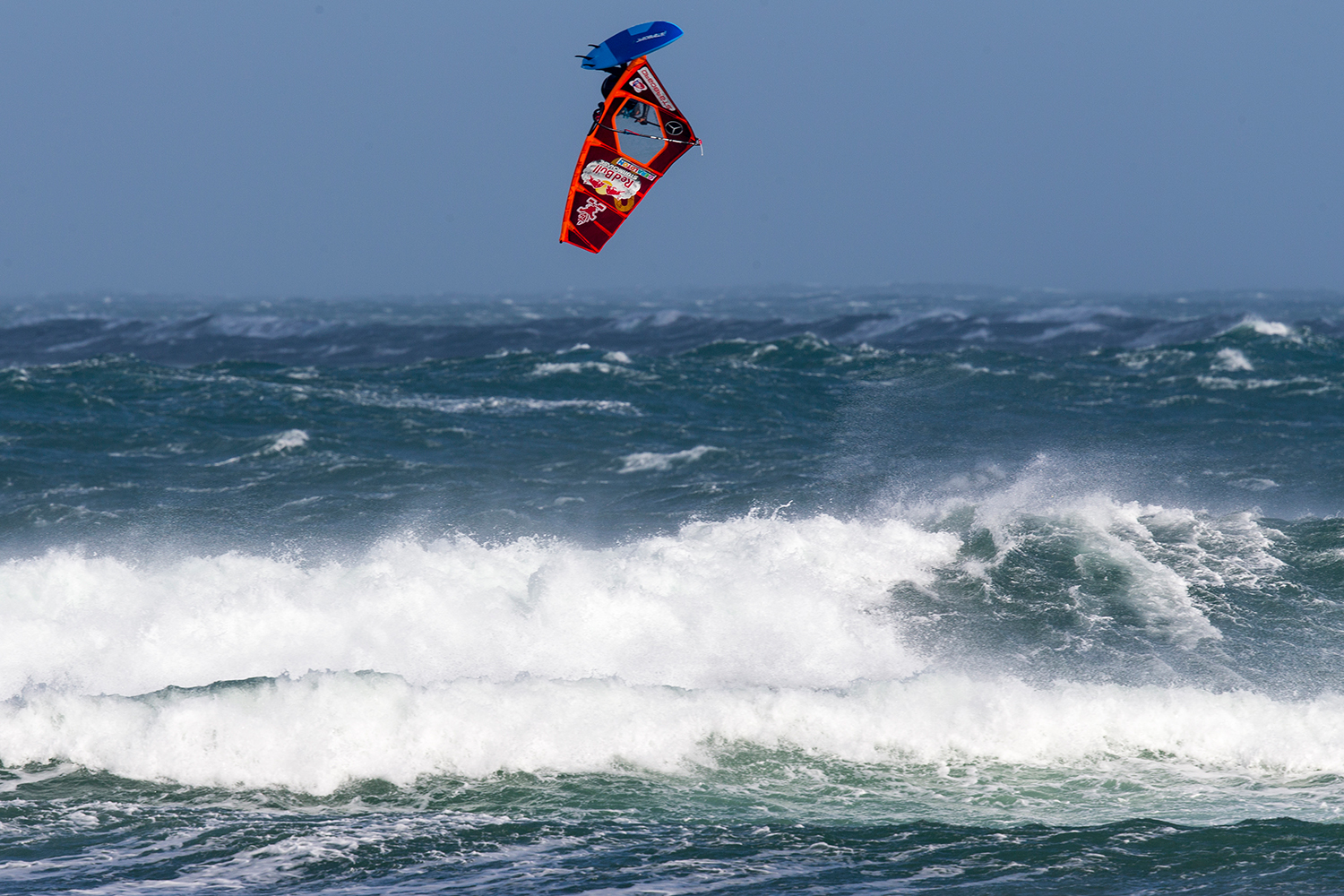
- Going big at the Red Bull Storm Chase
I was really happy for Marc Pare winning the world title…he’s well deserving. He’s humble, trains incredibly hard, and is very dedicated so it’s cool to see his success.”
-
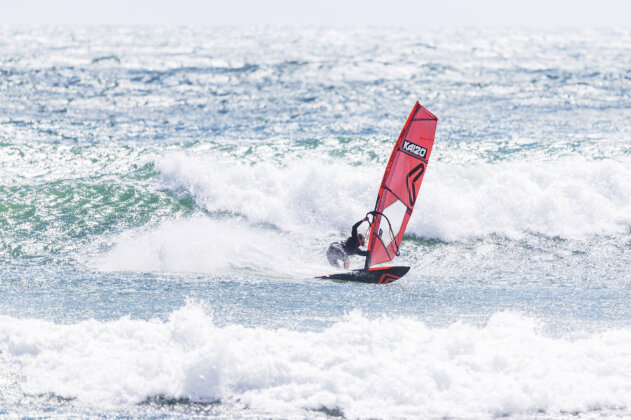
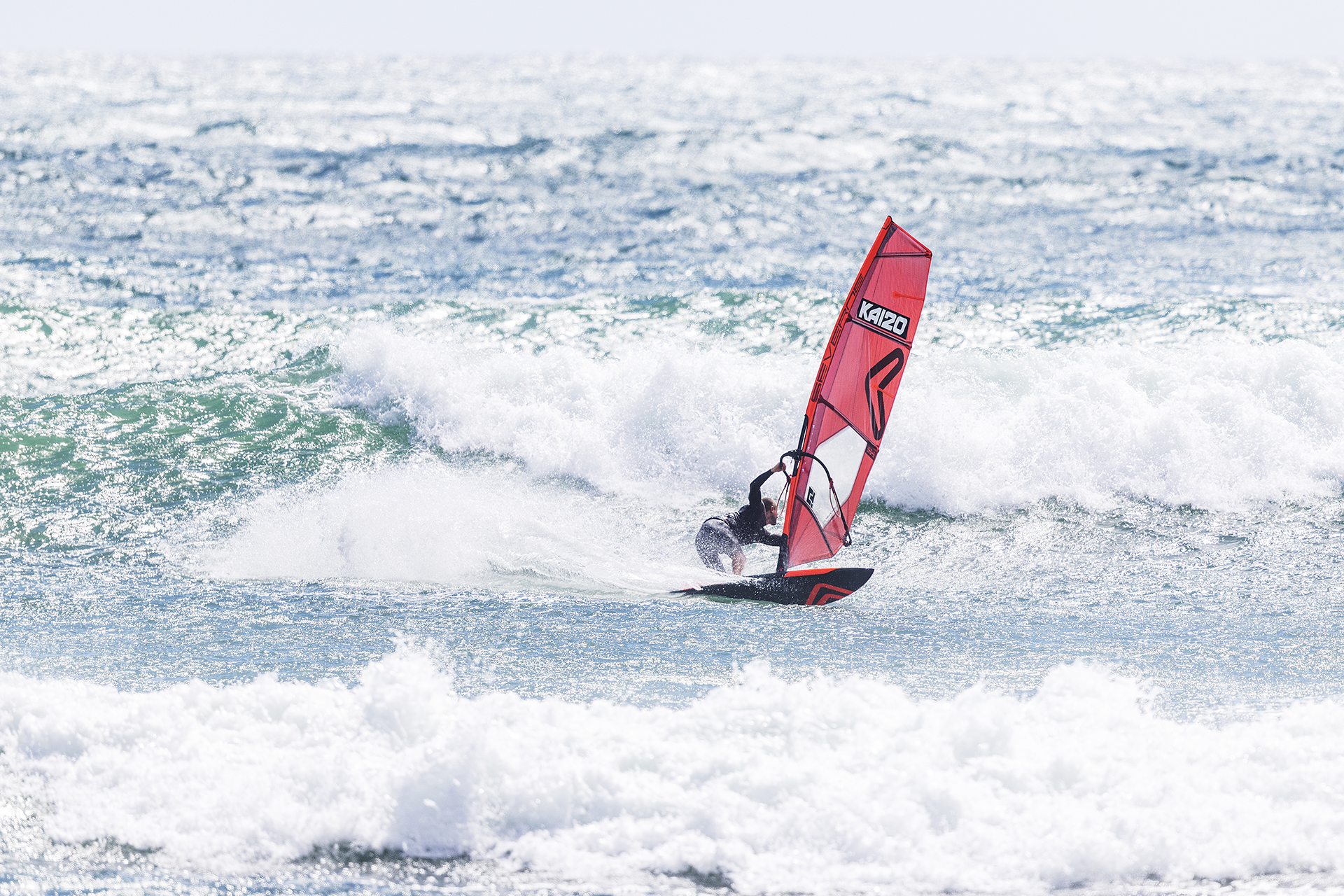
- Jaeger Stone driving that bottom turn
PROGRESSION WITHOUT LIMITS
WINDSURF: What are you working on with your sailing now?
JAEGER STONE: “I’m just trying to wave ride as fast and as powerfully as I can. Windsurfing is unique because we have so much speed, but the sail and wind limits how much we can wrap turns like surfers. Ideally you want speed and power to look effortless and stylish. I’ve always tried to approach windsurfing from a surfing perspective…going vertical, squaring off the bottom, flowing between turns as much as I can. Fin wafts are a bit like a ninja kick. That probably comes from growing up sailing cross-on conditions at Coronation, where you don’t really get many opportunities to do drawn out carves but instead get perfect crumbly sections for kicking the tail out the back.
In WA we have so much variation… down-the-line at Gnaraloo or Esperance and big heavy A-frames at Margaret River. Each wave requires a different approach. Trying to master all of that keeps it fun and keeps me learning. The motivation to keep getting better in those locations is one of the reasons why the Stone board developed. We get some really special conditions here, and I want to ride those waves as well as I possibly can. People like Thomas Traversa inspire me…going on missions alone, committing to huge waves. That feeling is pretty special and guys like Thomas motivate me a lot.”
-
- Jaeger Stone
-
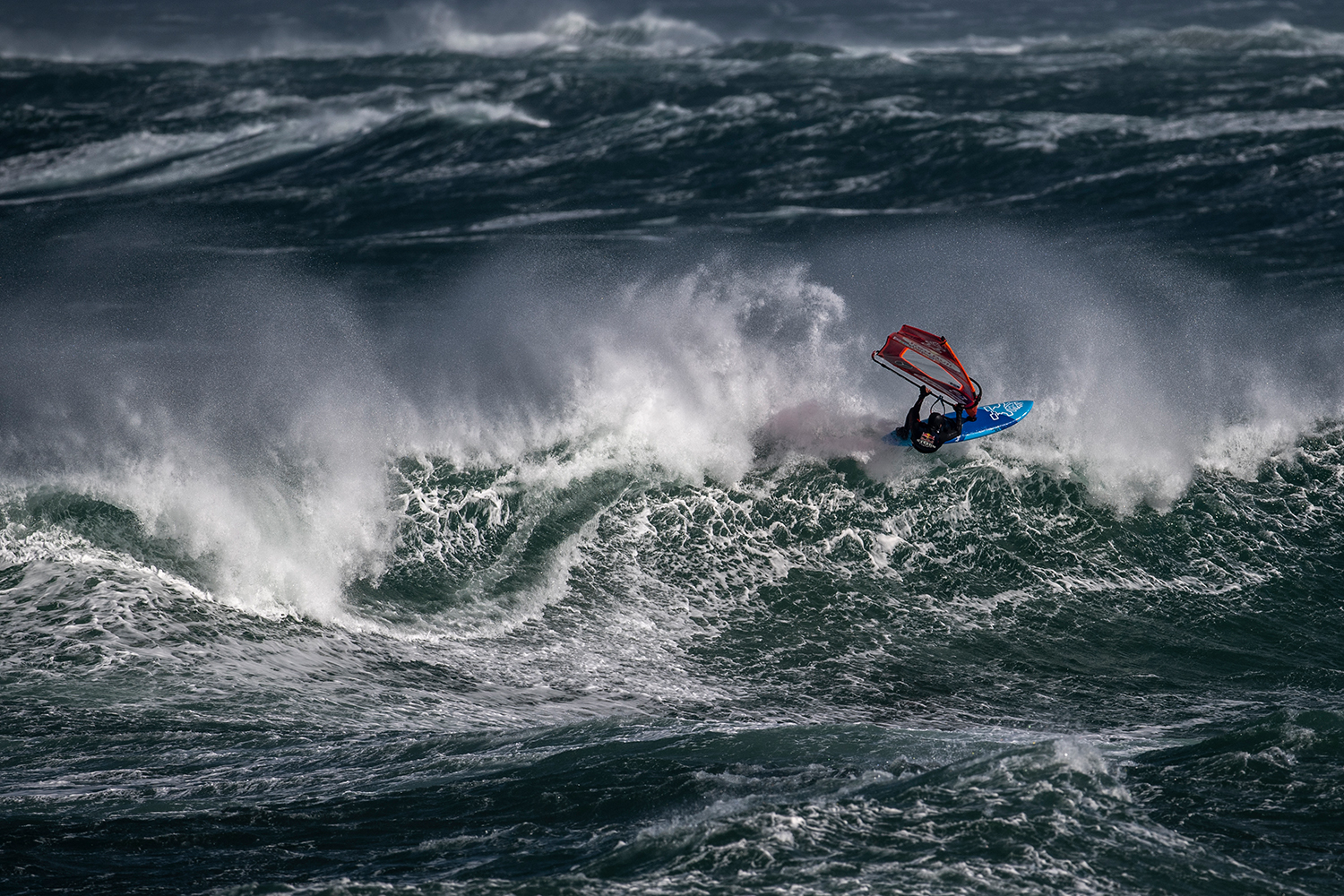
- Jaeger ripping at the Red Bull Storm Chase
-
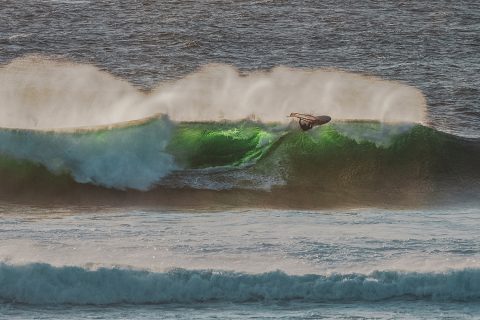
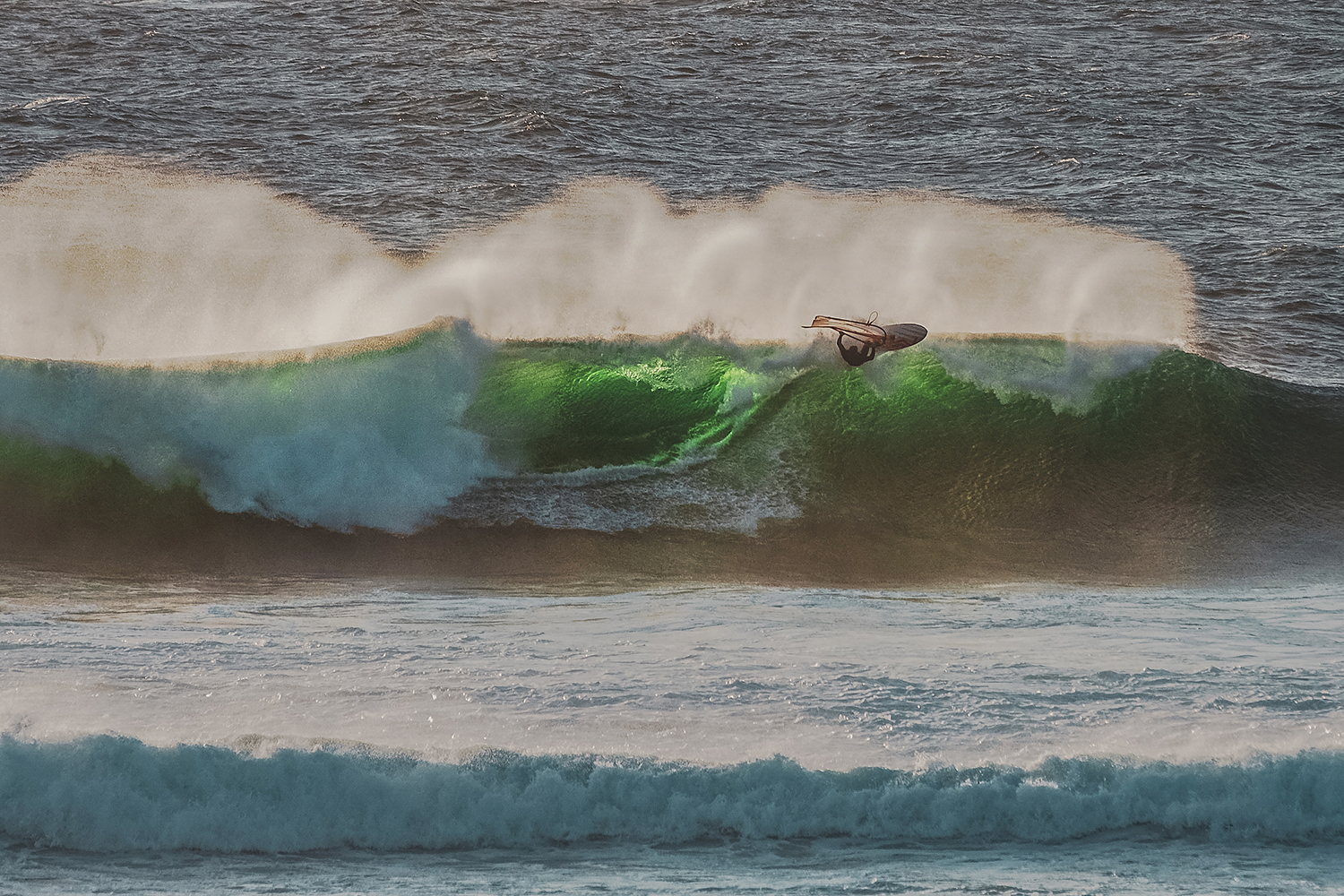
- Jaeger Stone charging at Margaret River
-
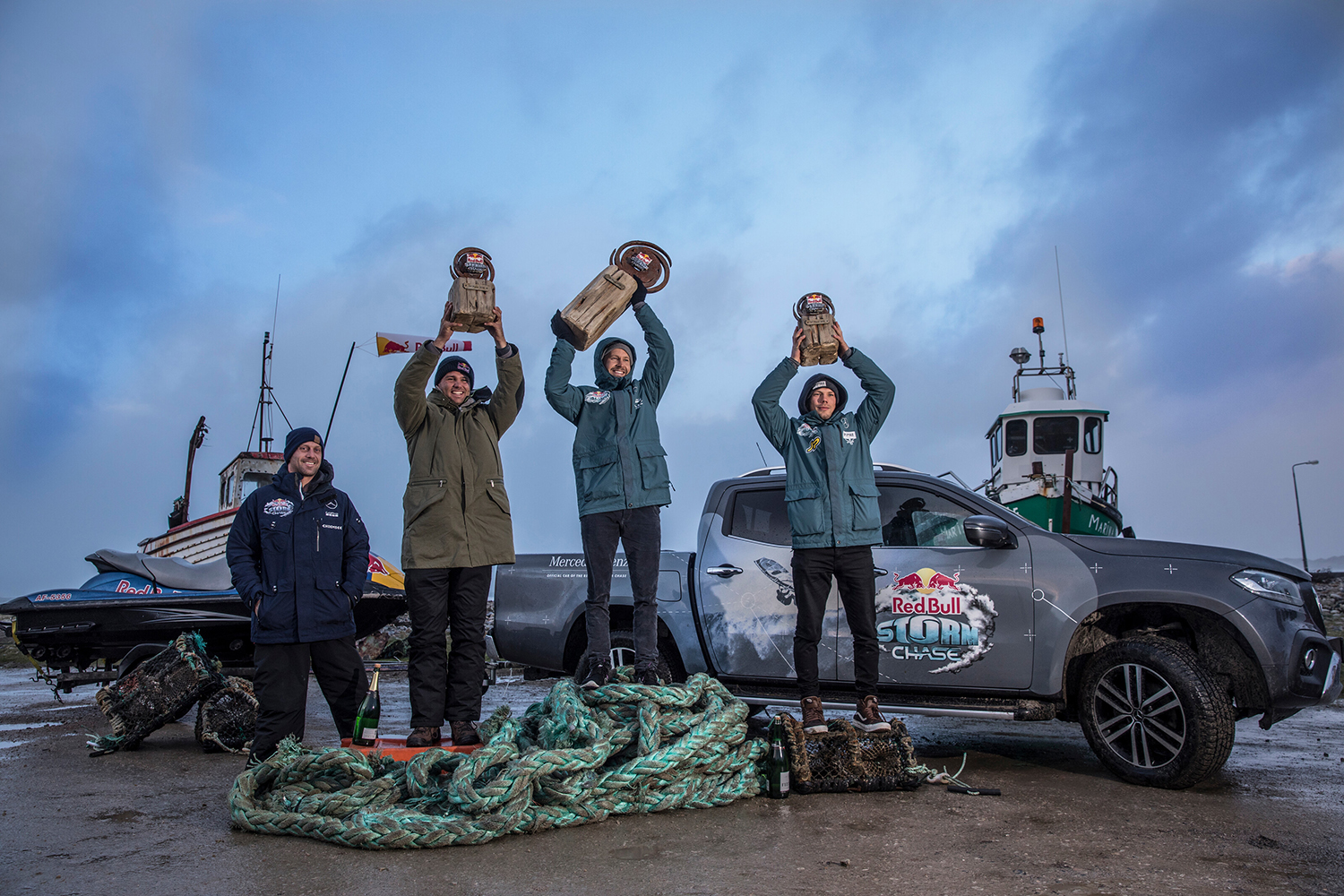
- Victory at the Red Bull Storm Chase
Windsurfer Magazine review of the Severne Stone 88L