POZO PRESSURE: KÖSTER AND PARÉ… SURVIVING POZO’S TOUGHEST TEST!
Marginal wind, almost no waves and a final decided by a buzzer beater. At this year’s Gran Canaria World Cup, the conditions were a long way from classic Pozo, but that only made the battle more intense. We caught up with Philip Köster and runner up Marc Paré to find out how they adapted, stayed patient and found a way to deliver when the conditions were tough to deliver their complete repertoire.
-
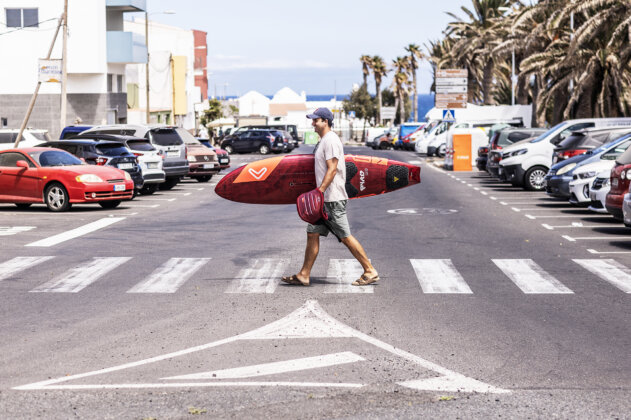
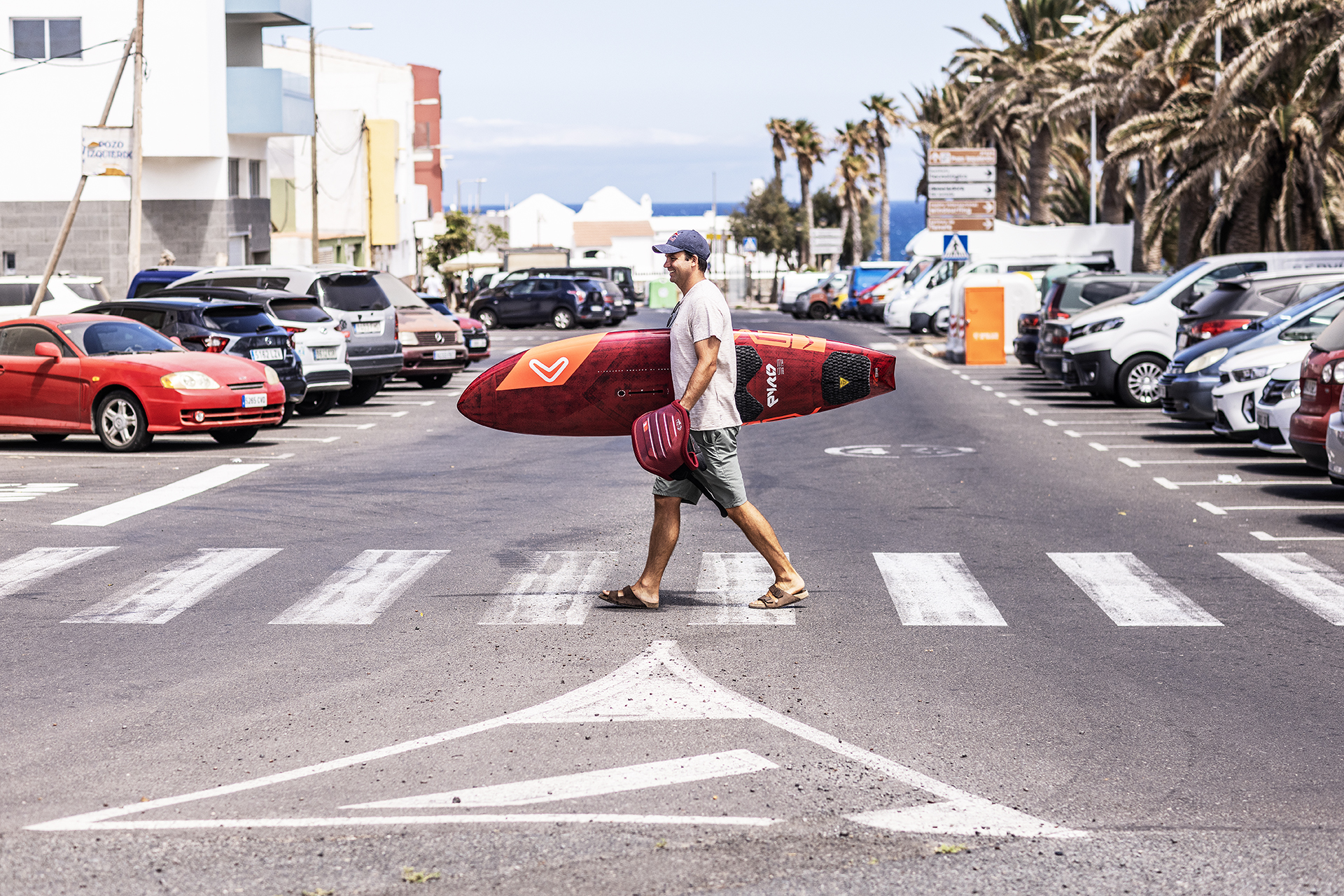
- Philip Köster en route to Tenerife
PHILIP KÖSTER: “You can really show who’s done their homework”
WINDSURF: The forecast didn’t look great before the event. What were you expecting?
PHILIP KÖSTER: The forecast wasn’t amazing, but with such a long waiting period you hoped they’d find the best days. I wasn’t expecting huge wind, but considering what was forecast, I think we actually got decent conditions. We had enough wind…we just missed the waves.
-
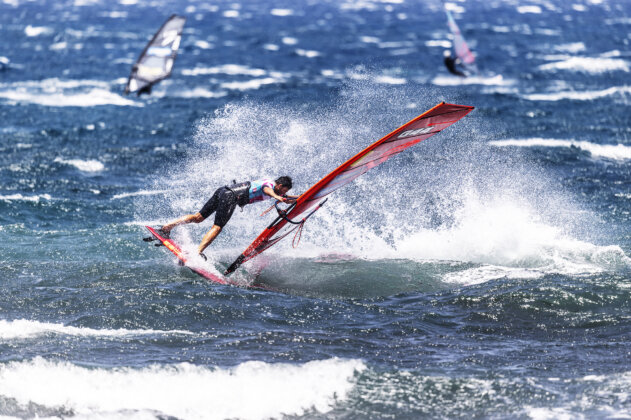
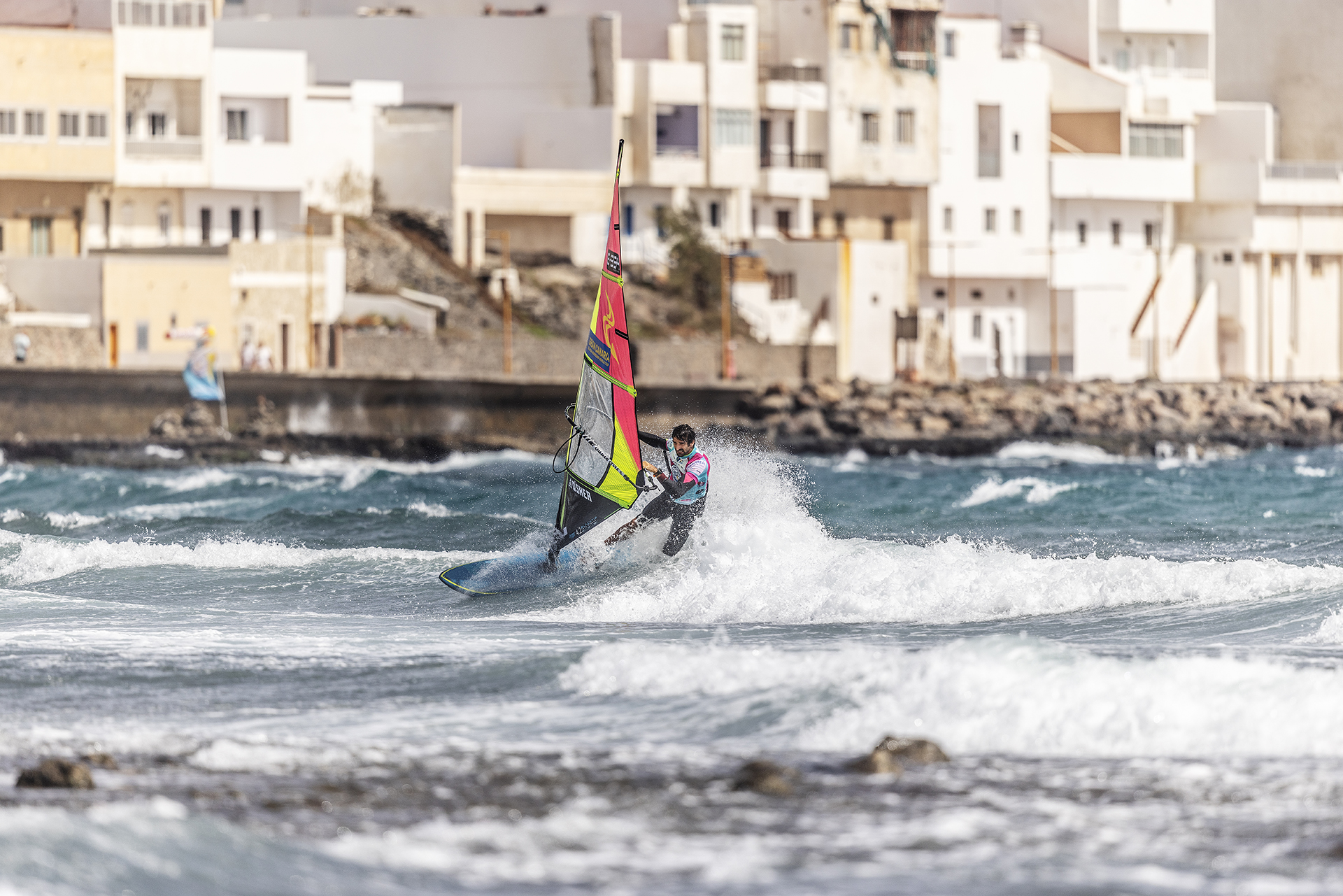
- Makin g the best of small waves
WINDSURF: Do you train in conditions like that?
PHILIP KÖSTER: Yes, quite a lot actually. It wasn’t a surprise for me. Gran Canaria doesn’t always have amazing waves anyway. Usually it’s better than what we had during the contest, but these are still conditions I know well.
-
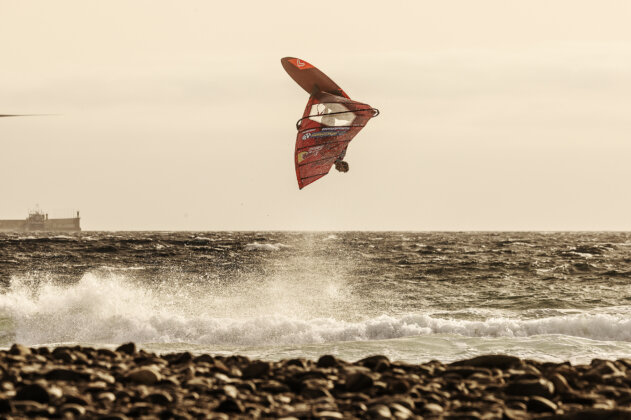
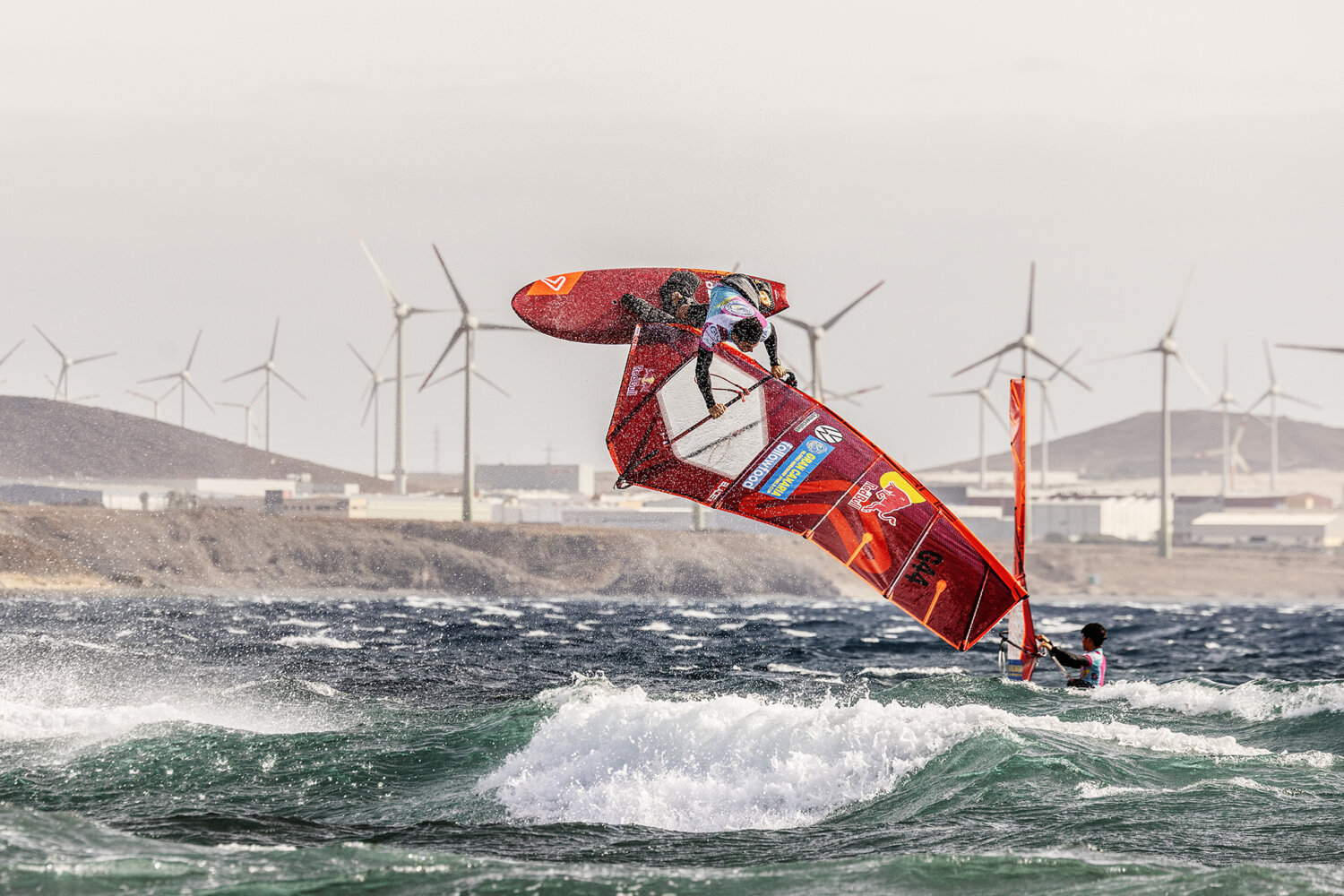
- Back loop from Philip Köster
WINDSURF: What equipment were you using?
PHILIP KÖSTER: I switched between 4.2m, 4.5 and 4.7 sails, but the 4.5 was the main choice. I also used a bigger 93L board instead of my usual 87L because it helped through the gusty wind and the big lulls while still giving me enough speed to jump.
-
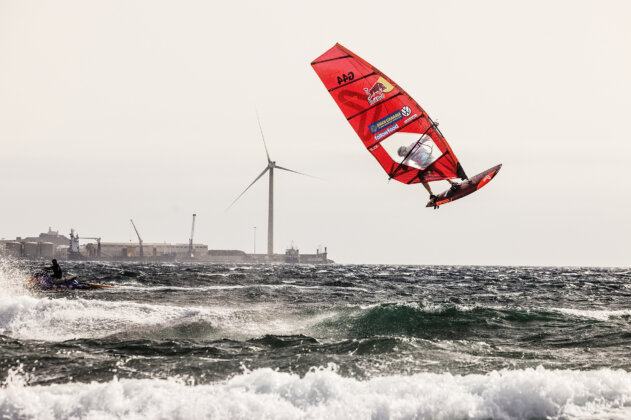
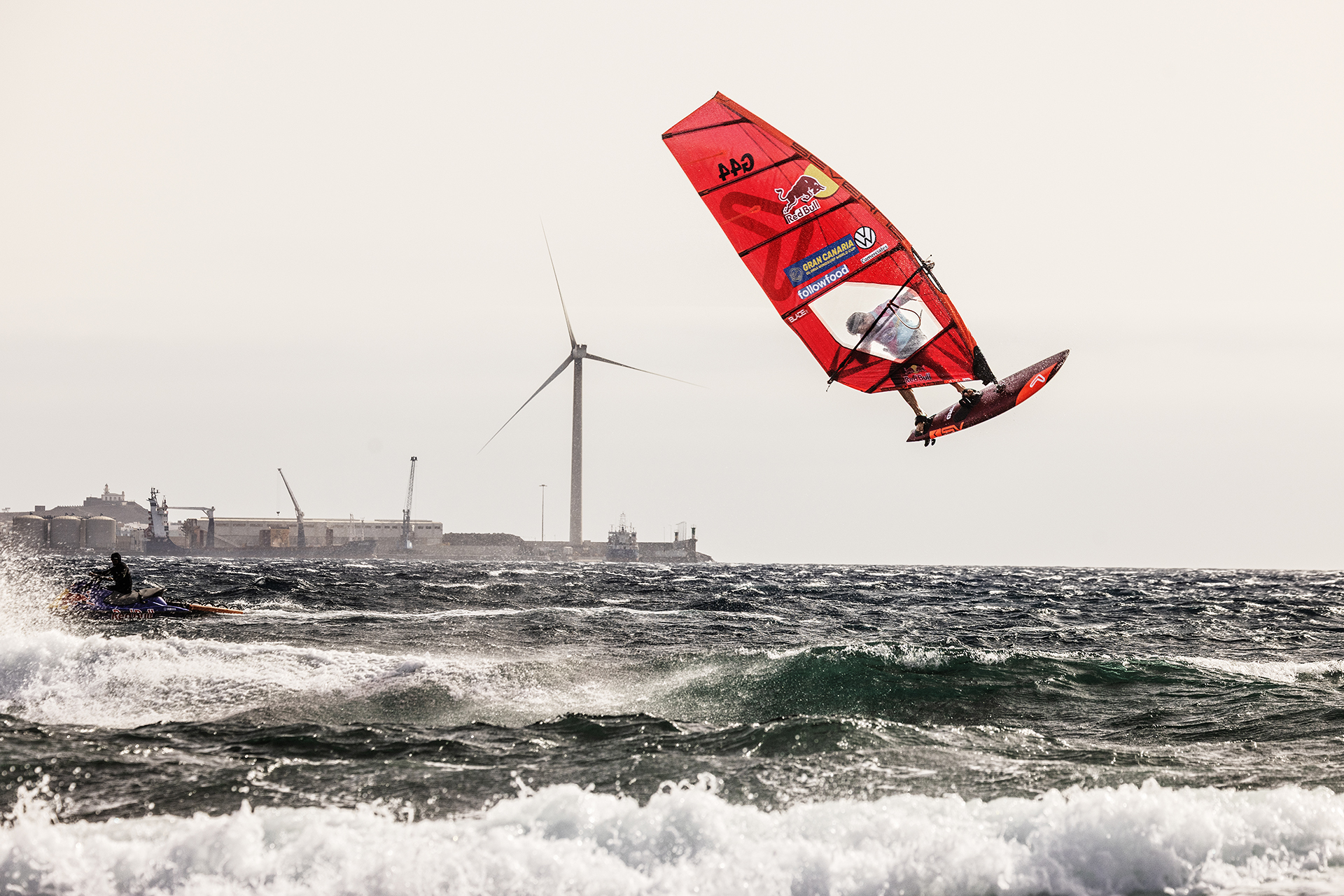
- Landing doubles was key
WINDSURF: Do difficult conditions level the playing field?
PHILIP KÖSTER: In these conditions you can’t always show everything you’ve trained. Instead, you show whether you’ve really done the work over the years.
If you can still land good doubles in bad conditions, that’s when your preparation shows. You could see it during the event…the riders who really have those moves dialled could still pull them off.
The conditions were still windy enough to make it a proper contest. It wasn’t like Chile, where sometimes there’s barely enough wind to get back out to the line up.
-
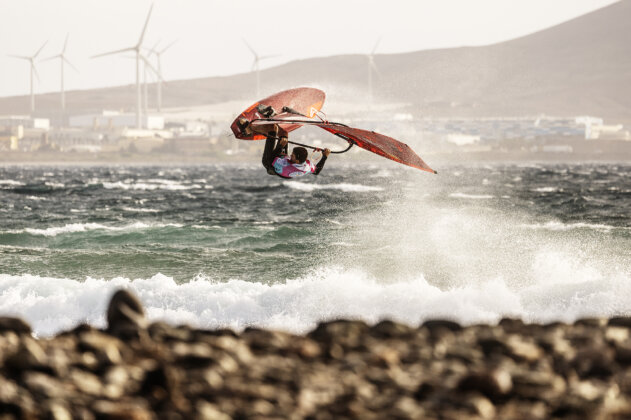
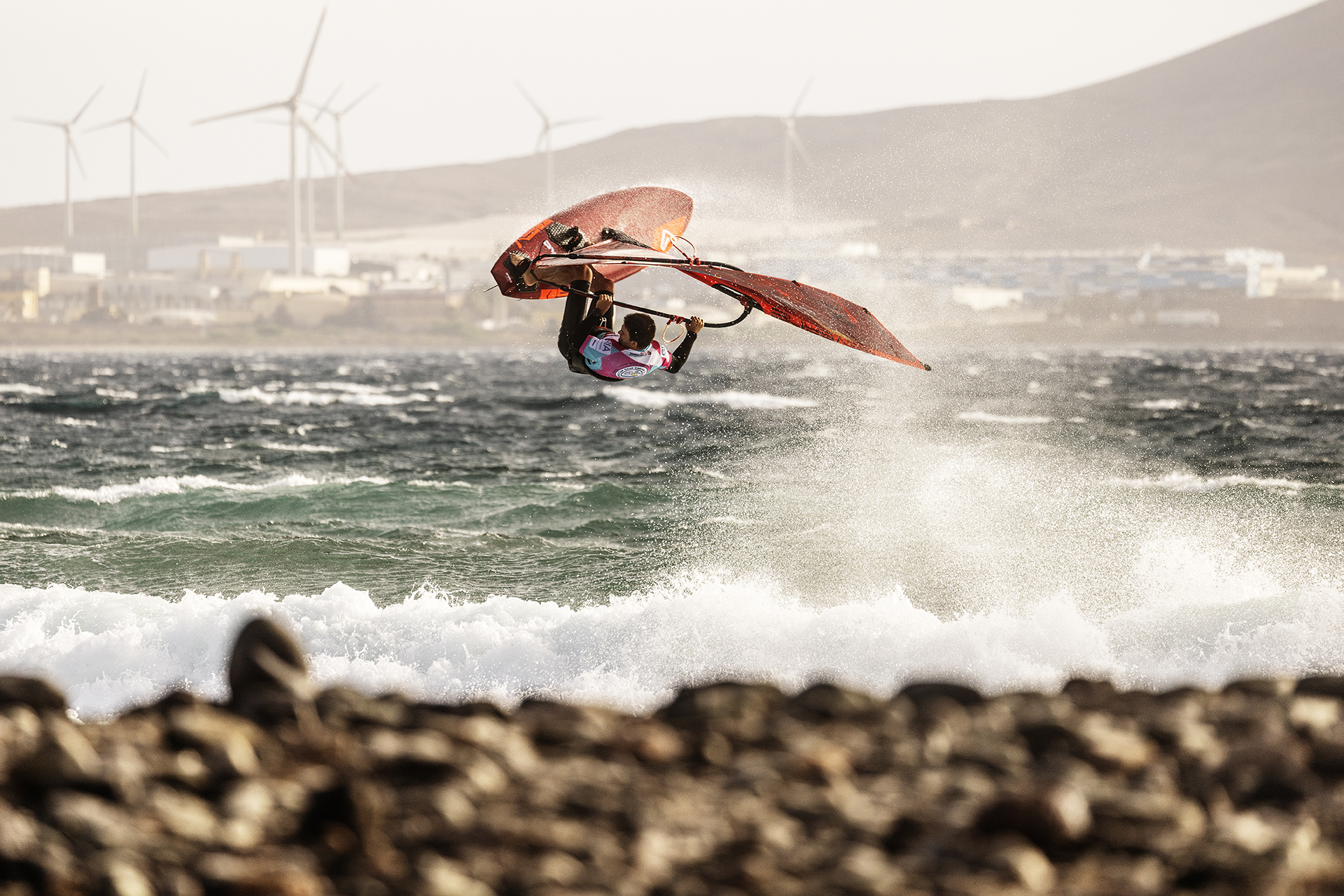
- Tough Pozo
WINDSURF: The final looked even harder.
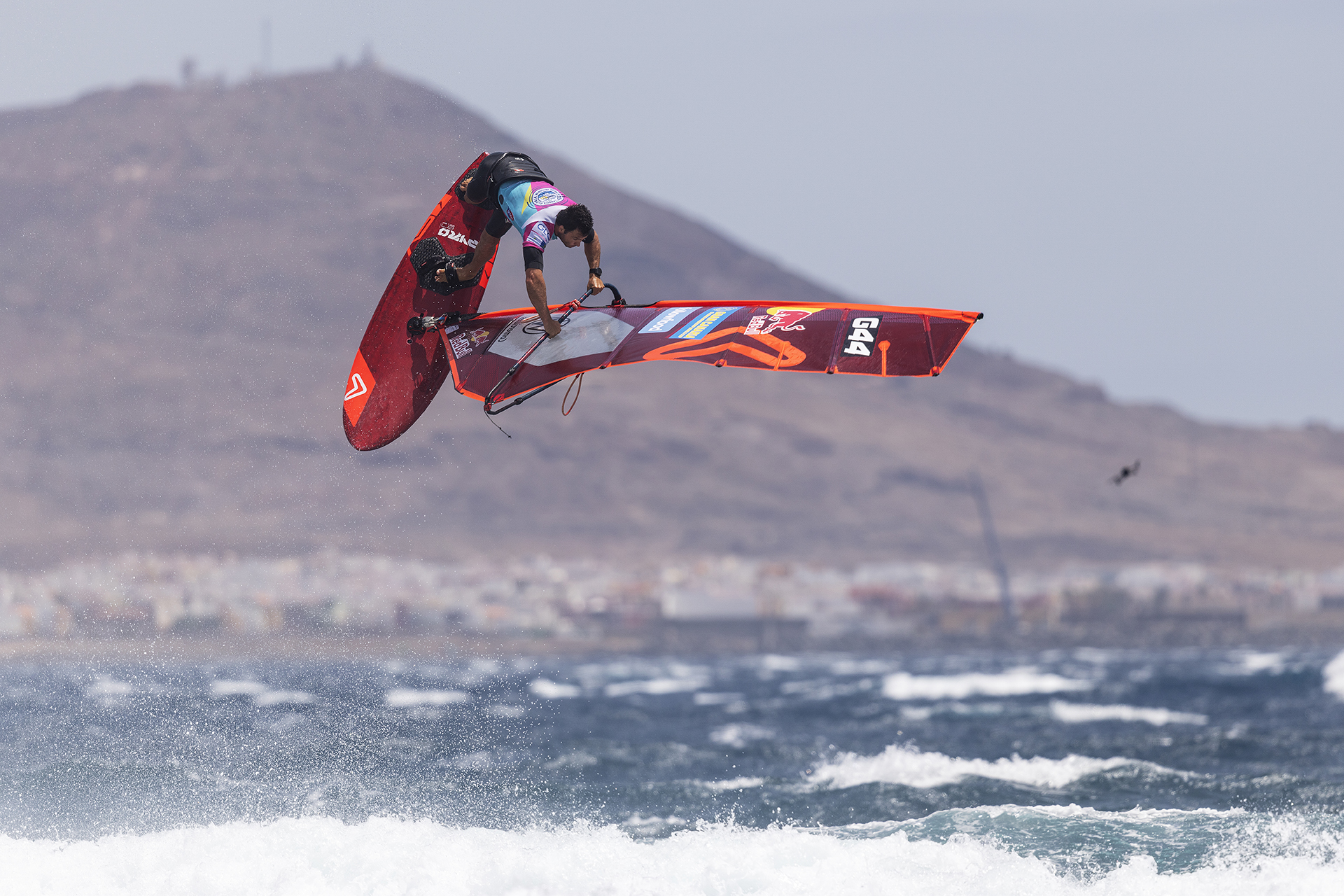
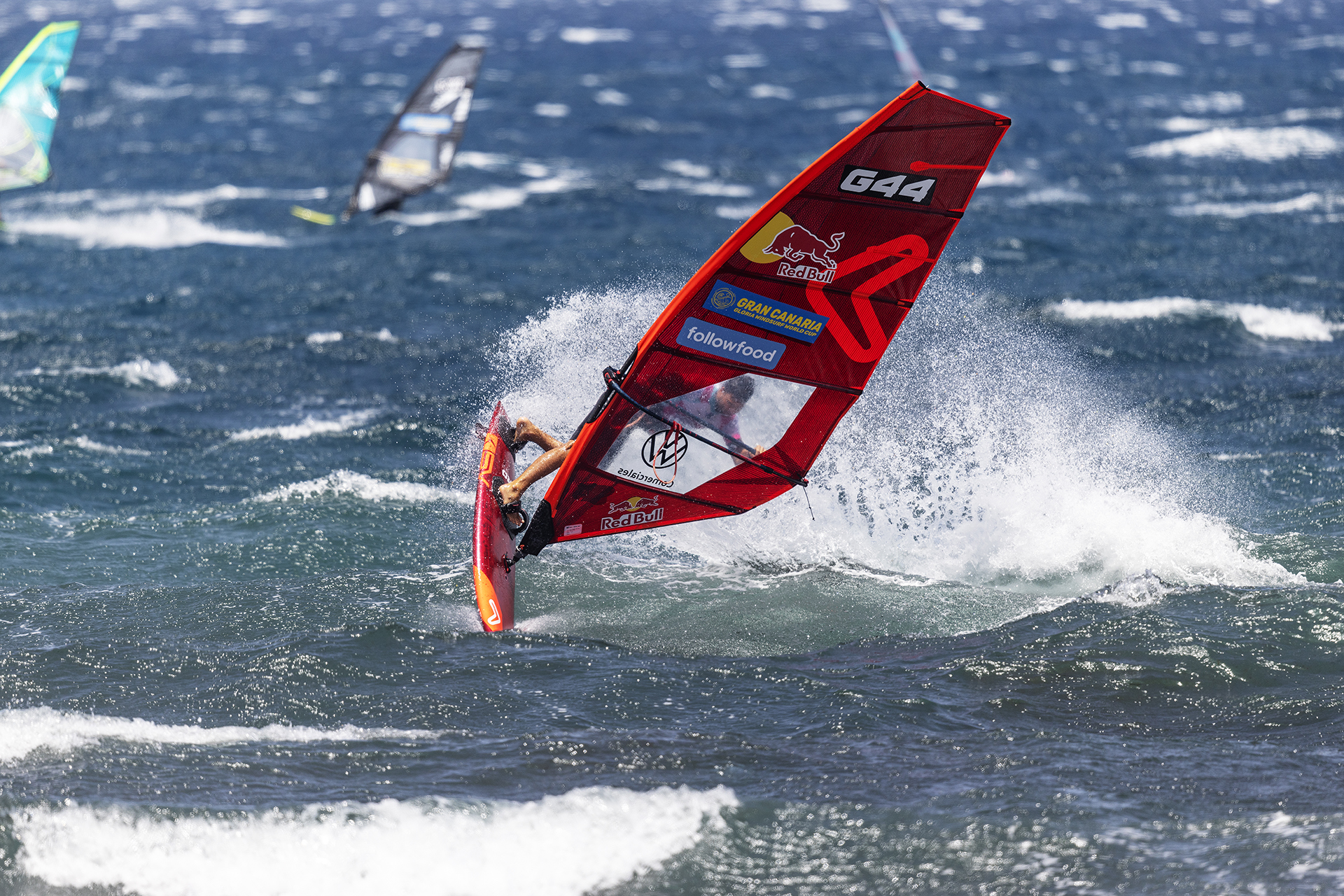
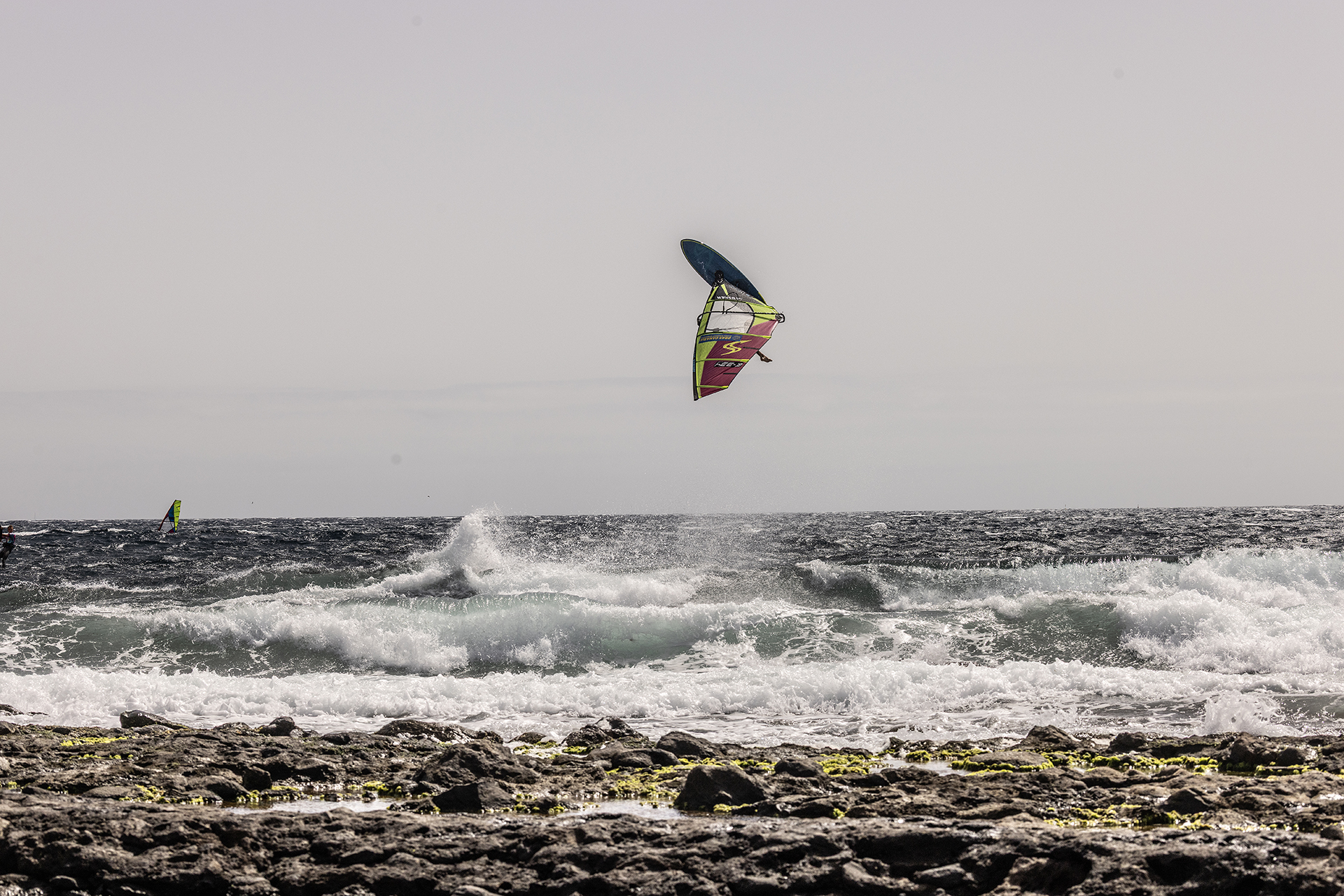
PHILIP KÖSTER: A double was still essential. Without one, you weren’t going to score enough. I landed my double quite early, but I needed another score. Right at the end I managed to land a one-footed back loop, and that ended up making the difference. Without it, I wouldn’t have won. Everyone in the final could land doubles. It all came down to finding that extra score.
-
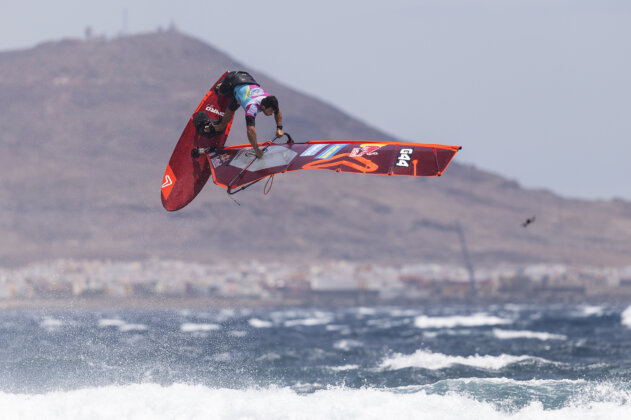
- Tweaked push loop
WINDSURF: Was there some luck involved?
PHILIP KÖSTER: Of course. You still need to find the right ramp at exactly the right moment. Maybe I got a little lucky, but that’s part of the game.
-
- Victory at home
WINDSURF: Your side of the draw looked particularly stacked.
PHILIP KÖSTER: It was definitely the stronger half. Sometimes you get lucky with the draw, sometimes you don’t. This time it looked tough, but in the end you still have to sail your best whoever you’re against.
-
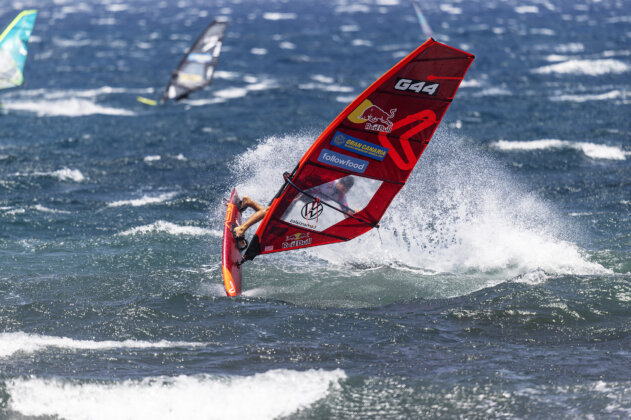
- Koester reigns supreme
WINDSURF: Your beach crew was signalling throughout the final. What were they telling you?
PHILIP KÖSTER: They were basically telling me I needed another back loop. I already knew I had my double, but I still needed a backup score.Finding a back loop is not normally difficult, but I actually crashed two during the final, which almost never happens. I saw other riders doing the same. The conditions were really strange because we were all forcing the moves off tiny bits of chop.
-
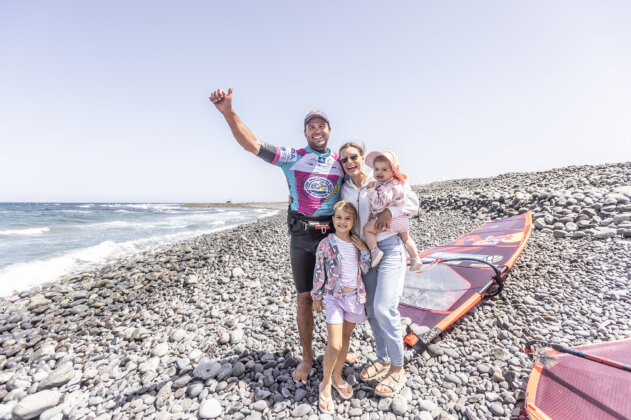
- Philip Köster family celebrations
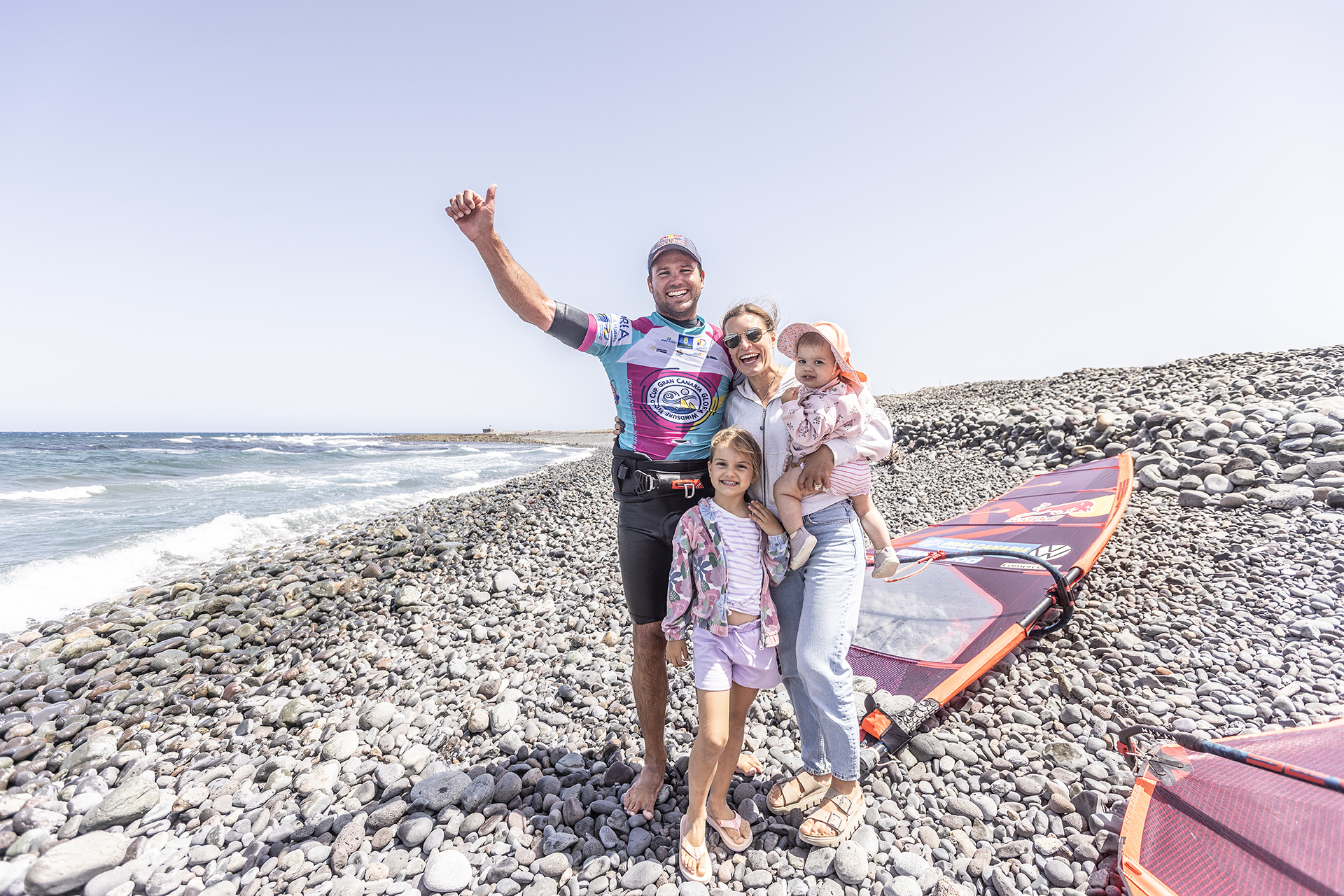
WINDSURF: It looked like a special finish with your family waiting on the beach.
PHILIP KÖSTER: That was really nice. It’s always great having the family there and seeing how happy they were when I came in. That made the win even more special.
-
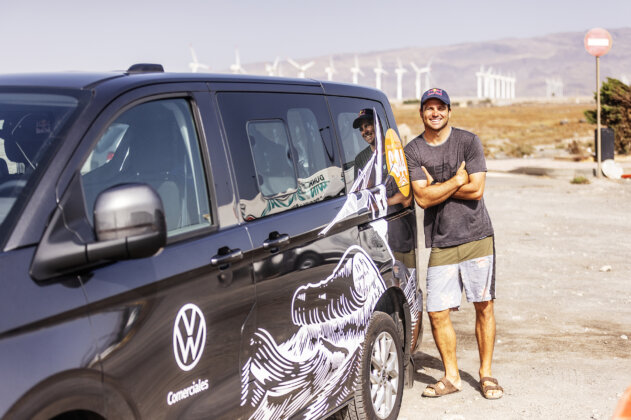
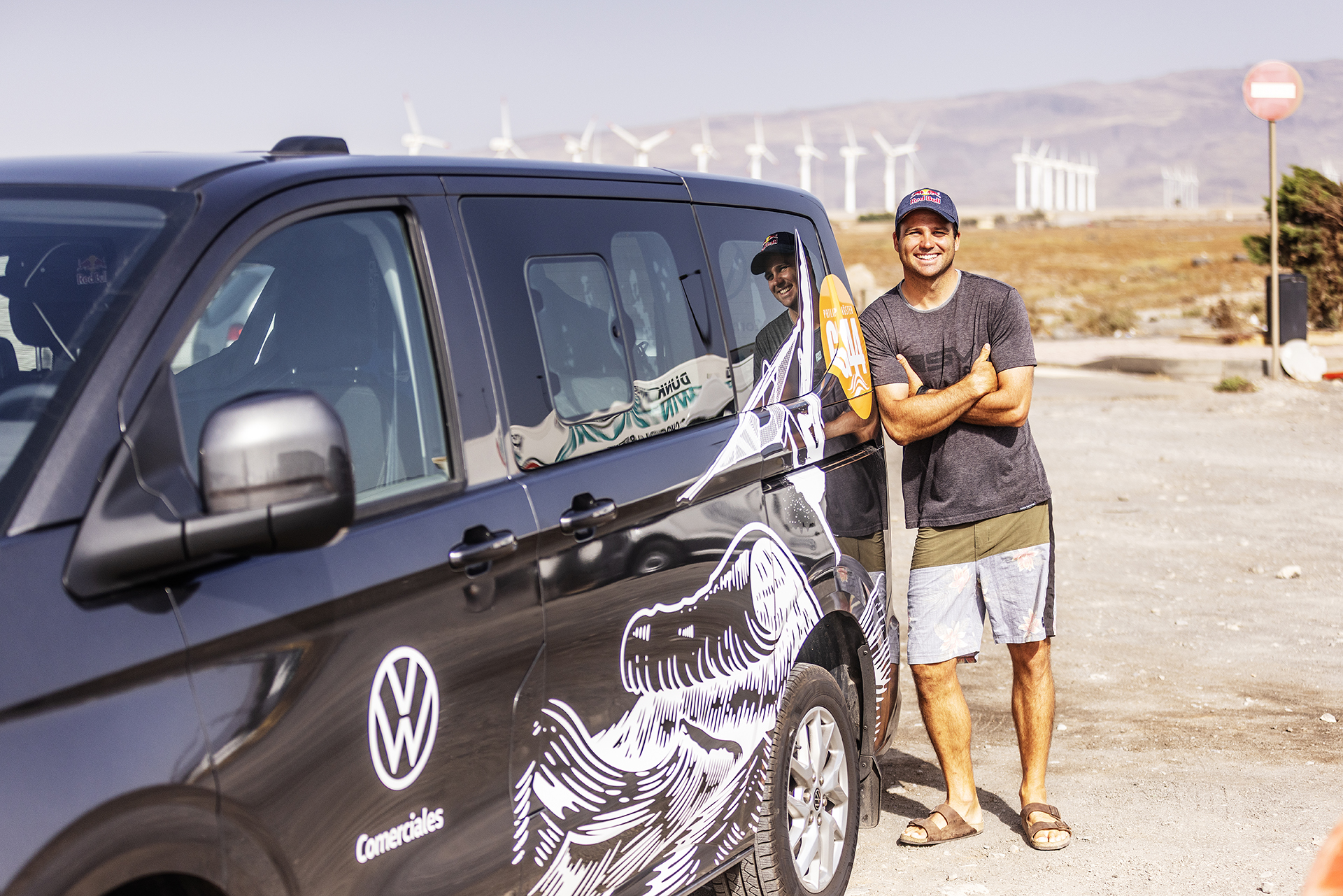
- Philip Koester
WINDSURF: Another Pozo victory to add to the collection.
PHILIP KÖSTER: Apparently, it’s my ninth, although I haven’t been counting…I just read it somewhere. If it’s true, that’s pretty cool.I also saw someone saying before the event that I wasn’t one of the favourites because I’d been carrying a small injury. I did have a bit of an injury, but nothing serious and I was also really happy with how my new production board performed throughout the event.
-
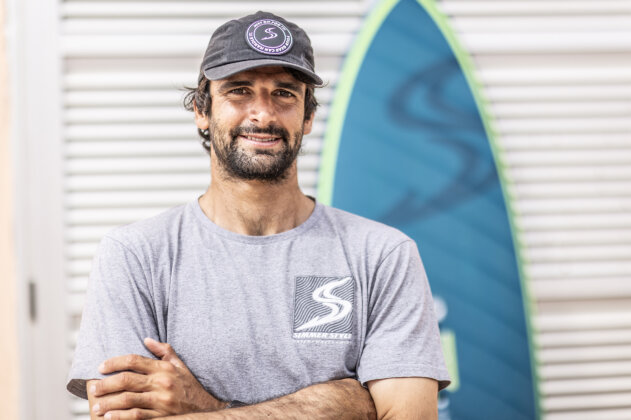
- Marc Paré
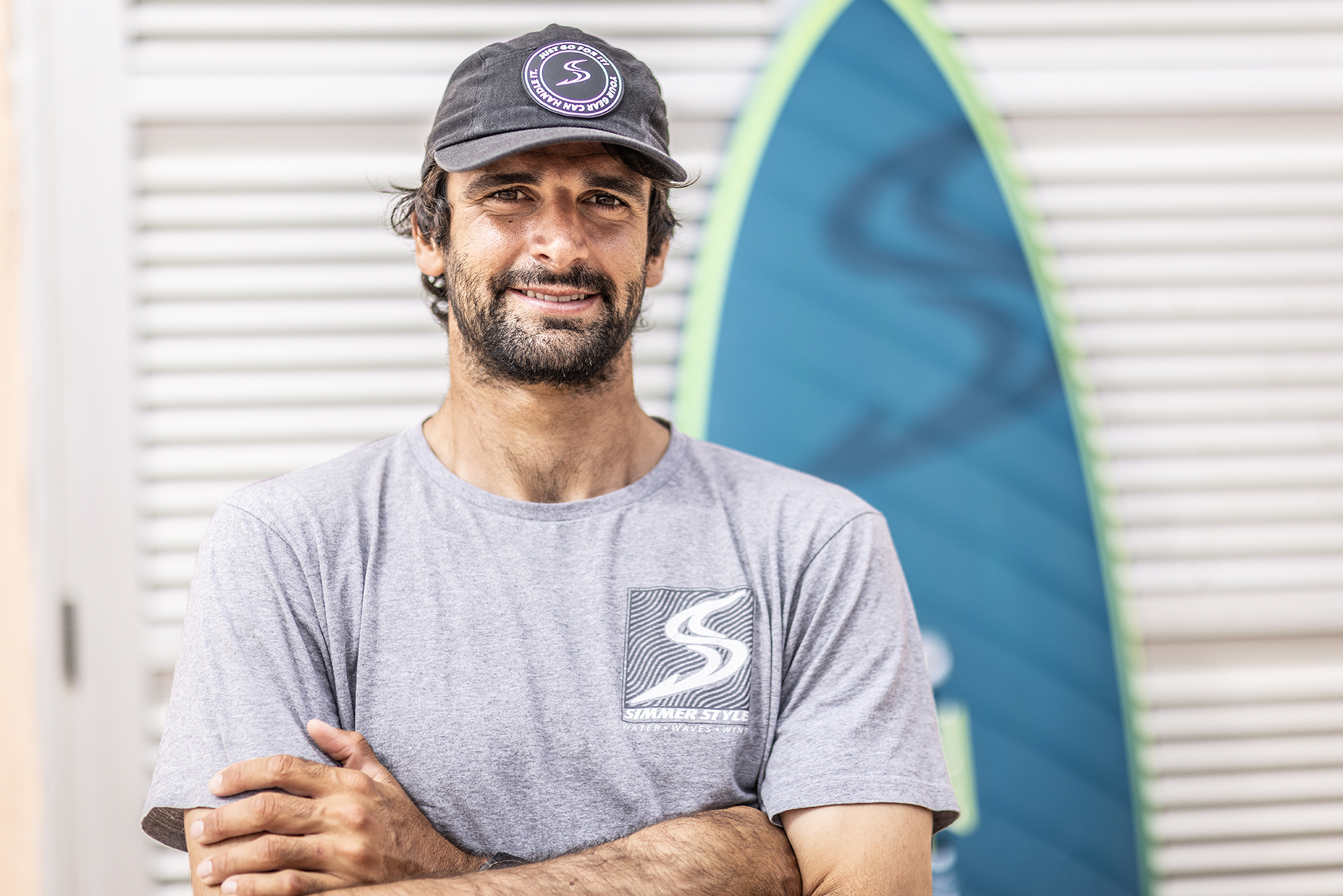
MARC PARÉ: “Sometimes the worse it gets, the more I like it”
WINDSURF: The conditions this year weren’t exactly classic Pozo. What was your mindset going into the event?
MARC PARÉ: I was prepared for anything. I always train in all kinds of conditions because that’s what you need if you want to be competitive everywhere. It didn’t really faze me that the conditions were bad. It’s the same for everyone.
-
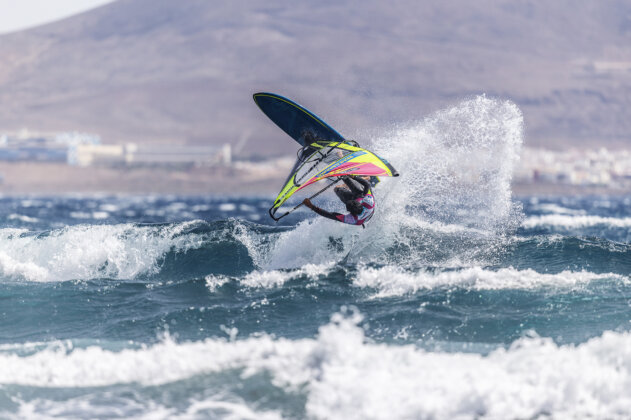
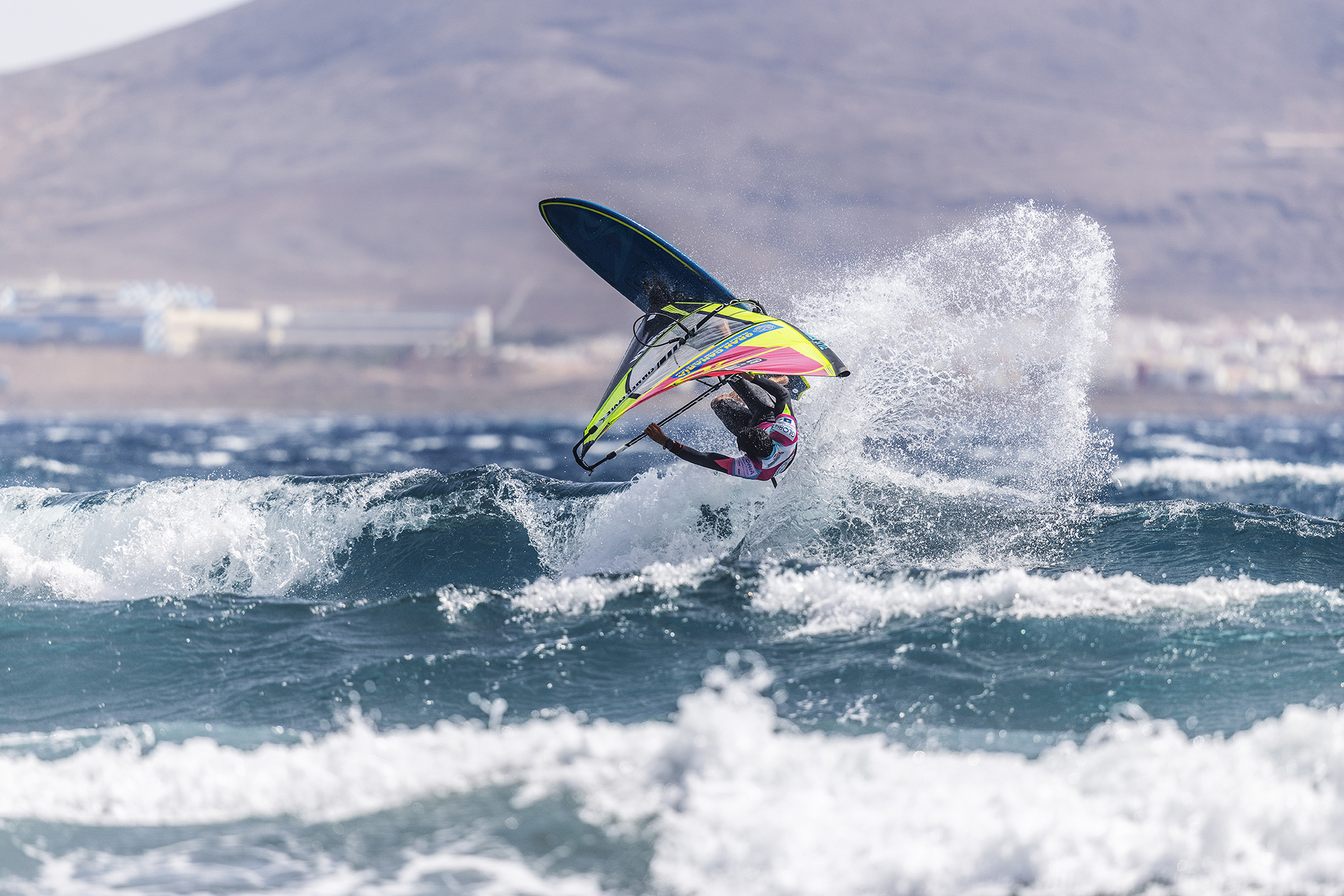
- Marc Paré 360
WINDSURF: Were you nervous?
MARC PARÉ: A little bit, like always. I actually try to make myself a bit nervous because it keeps me sharp. It’s about finding the balance…being switched on without getting overwhelmed. I felt like I managed that really well throughout the event.
-
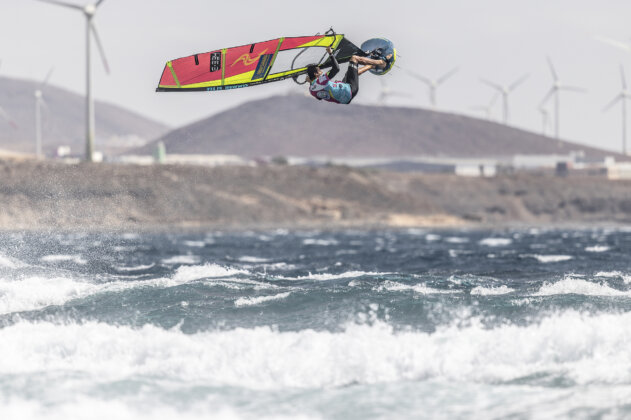
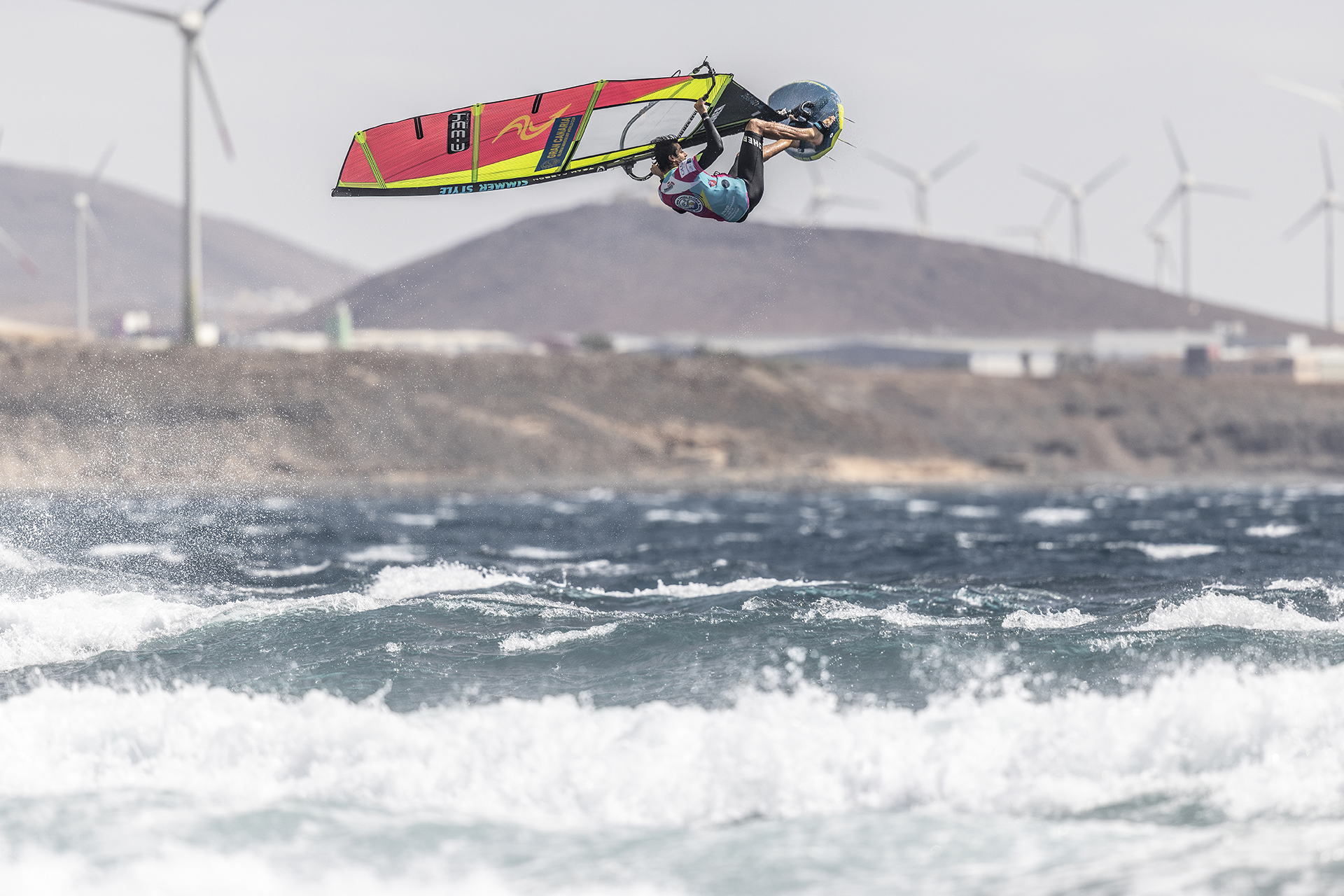
- Marc Paré double
WINDSURF: You looked on fire in your opening heat.
MARC PARÉ: That was a nice surprise because I’m normally a slow starter. Usually my first heat isn’t my best, so getting off to such a strong start really helped. I felt relaxed and found my rhythm straight away. The second heat was the opposite…I felt out of sync and had to work my way back, but overall I was feeling good.
-
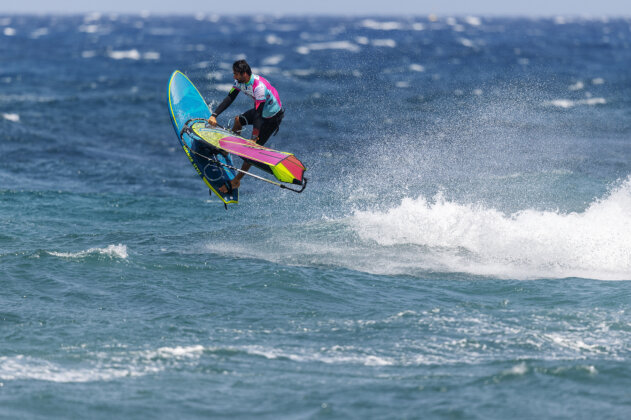
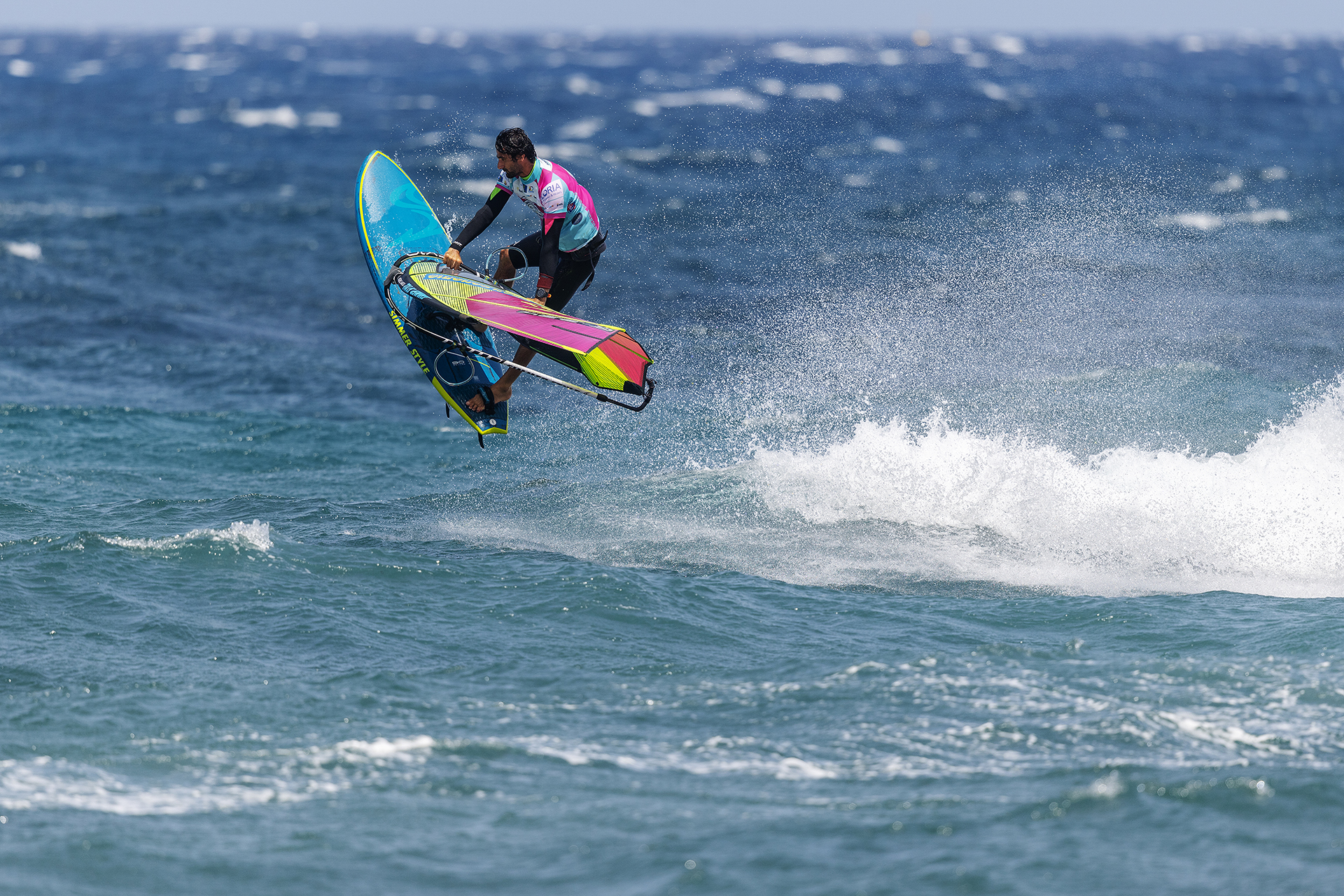
- Making it work in the final
WINDSURF: The final was right on the limit. What separates the top guys in those conditions?
MARC PARÉ: Being able to force doubles makes a huge difference. Apart from my first heat, where I actually had a proper ramp, every other double was launched off little chops out the back. Being able to reproduce those moves on demand is really important.
Then it’s about patience and reading the water. There weren’t many real waves, so you had to spot little bumps that might stand up enough to link a couple of manoeuvres together instead of just getting one hit.You had to use your imagination. It almost felt like riding waves on flat water…you were trying to predict what every little chop might do.
At the end of the day, that’s competition. You don’t always get perfect conditions. In fact, it’s usually the opposite, so you have to be able to perform in everything.
-
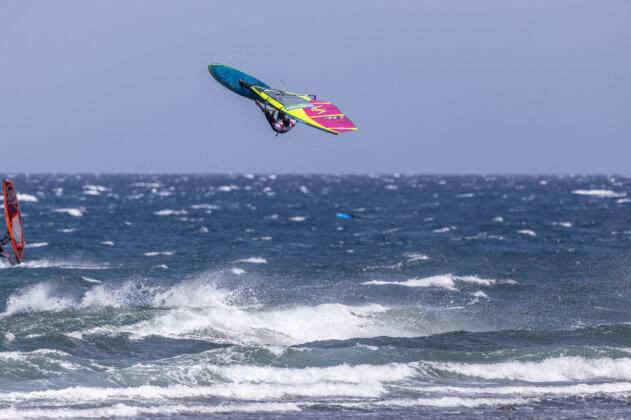
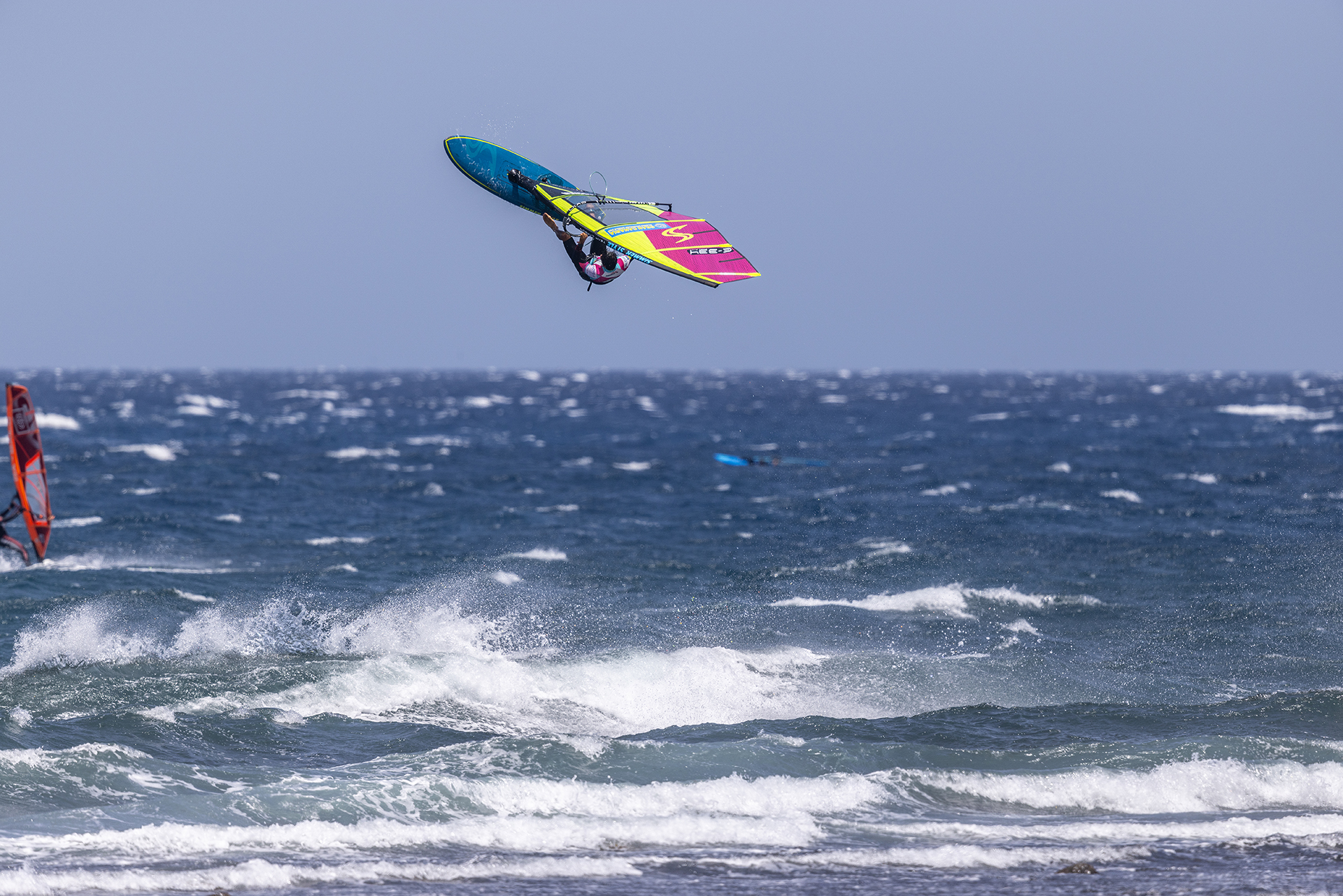
- Marc Paré back loop in Gran Canaria
WINDSURF: The next day was firing, but I guess the event simply had to run?
MARC PARÉ: Exactly. It’s important for the organisers and for all the riders that travel here and train so hard to actually get a result. Sure, when the conditions were marginal there’s a bit more luck involved and that isn’t always ideal, but it’s still important that the competition happens.
WINDSURF: Second place is still a great result for the title race.
-
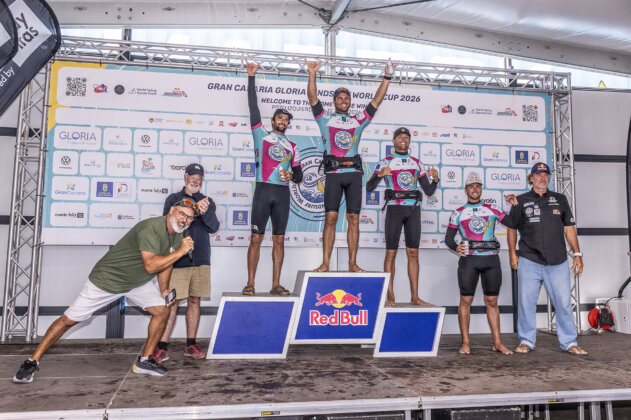
- Koester on top…Pare takes second
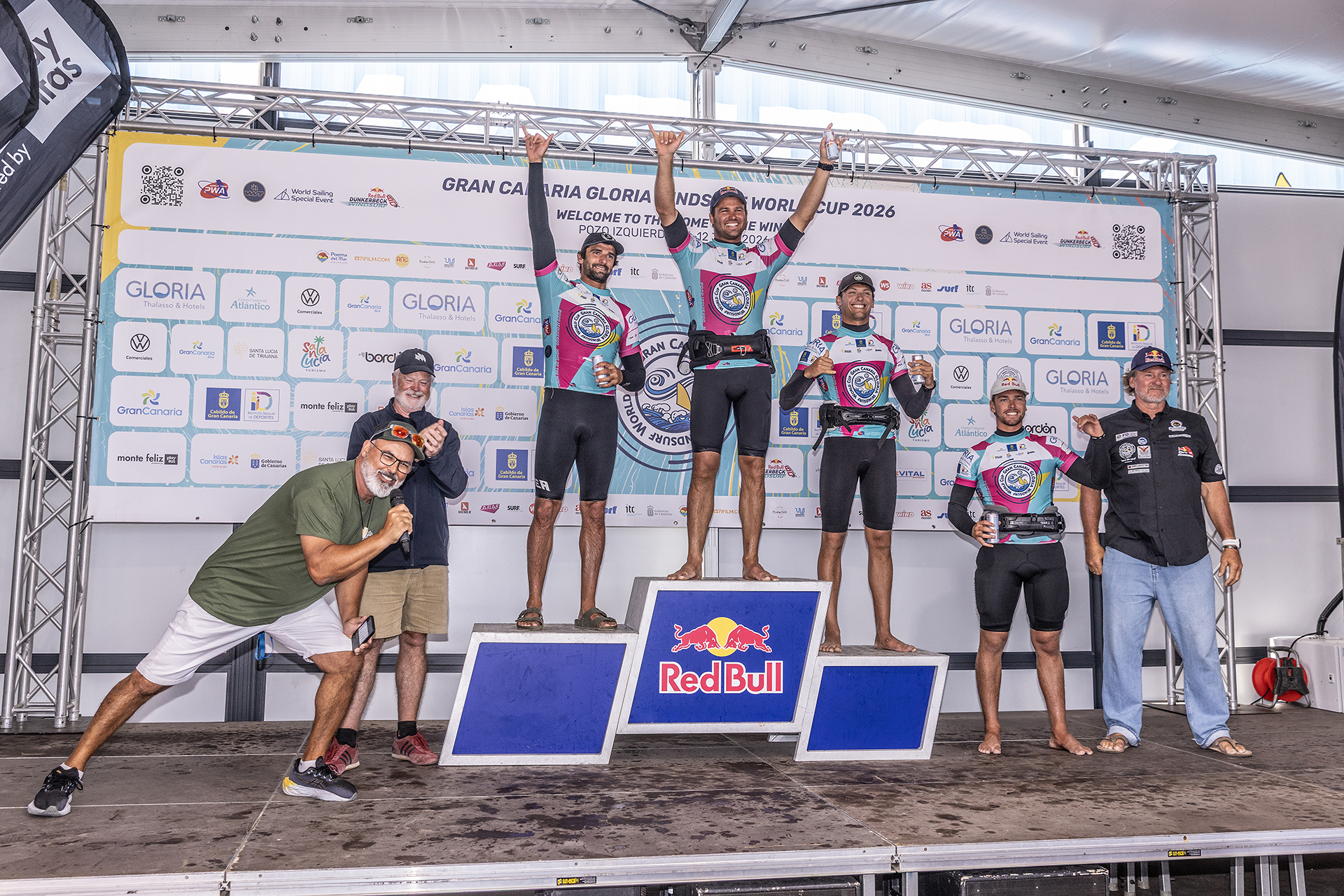
MARC PARÉ: Definitely. If someone had offered me second before the event, I would have taken it. My goal was to finish in the top three. Of course I wanted to win, but I also know how difficult that is. I’m a little disappointed because I was leading for most of the final and lost it right at the end, but that’s part of the game.
Victor always tells me that sometimes it goes your way and sometimes it doesn’t. The important thing is to keep putting yourself in that position and stay consistent. Last year I won the world title, but nobody guarantees you another one. I just have to keep working, keep improving and hopefully my time will come again. I have just got to keep on working and trying to do my best and hopefully it goes my way again! I just want to be there and sail as good as I can, this is my plan!
-
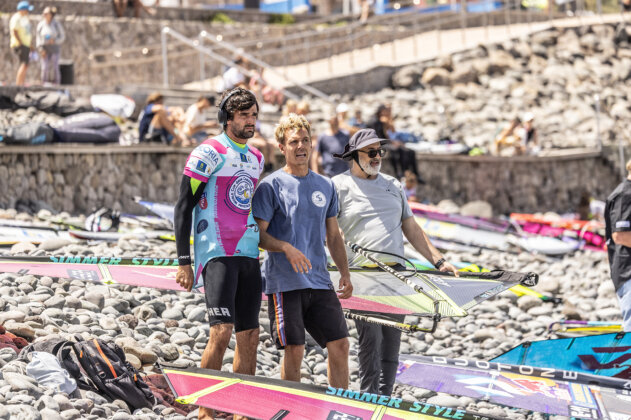
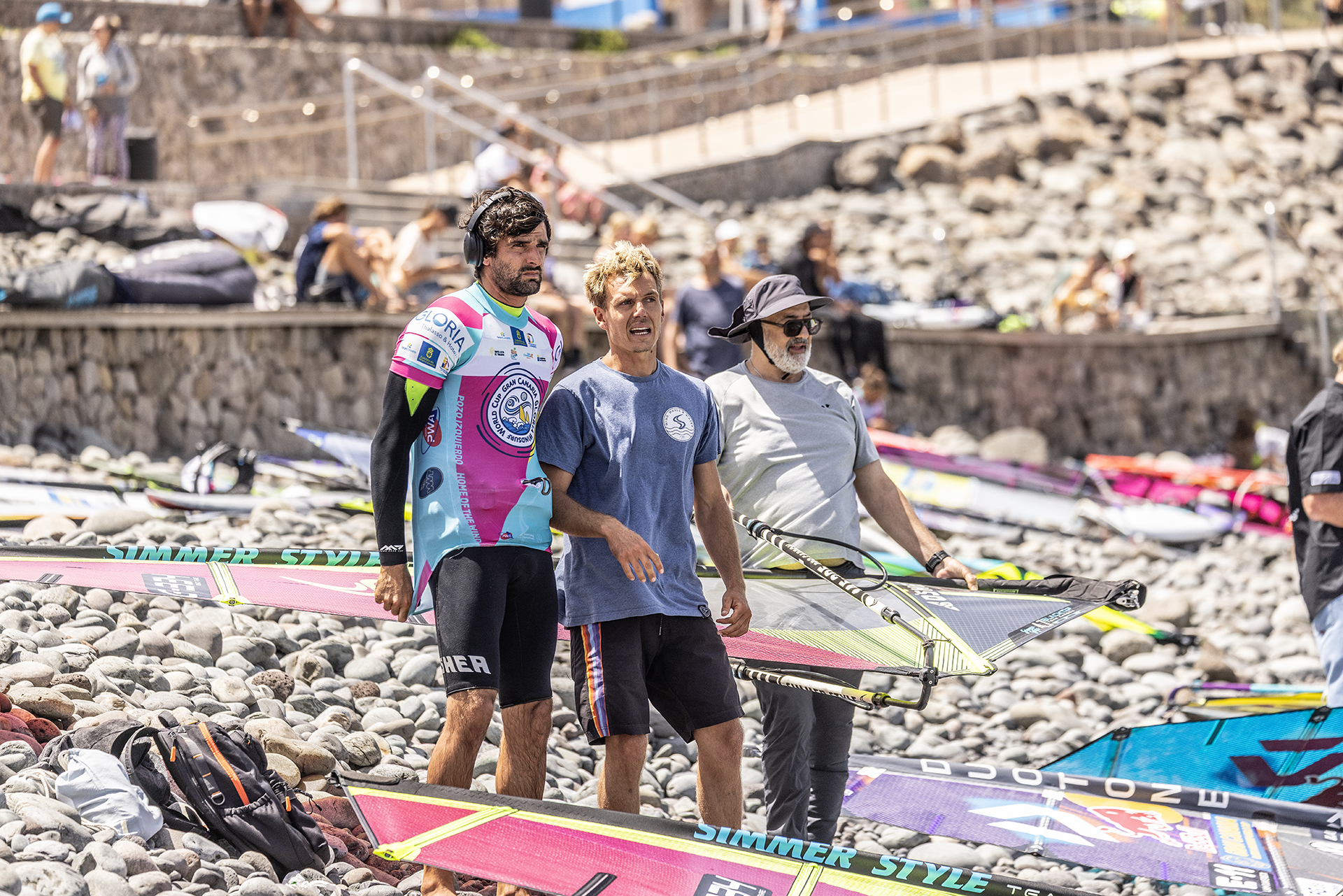
- Marc Pare support crew
-
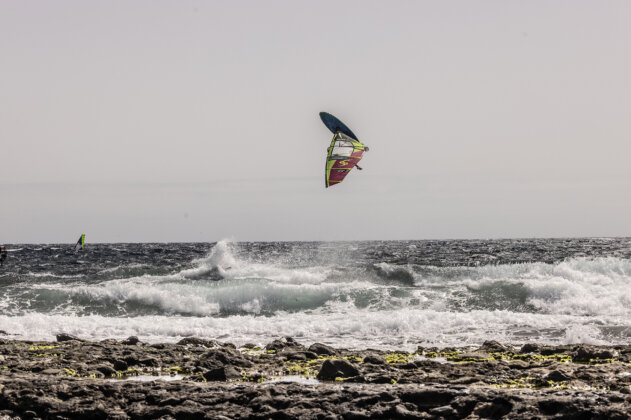
- One legged back loop
-
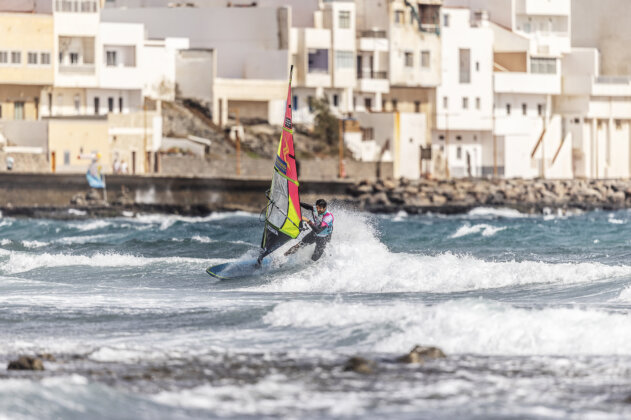
- Pare slash